Pakistani Grassroots Climate Activists Face Financial and Bureaucratic Barriers to Attend UN Summits
Young climate activists from vulnerable communities in Pakistan struggle to attend UN COP conferences due to steep funding shortages and complex accreditation processes.
 🚢Sanctions & Trade
Photo: Dawn
Key points
- Grassroots Pakistani activists face severe funding and accreditation barriers to attend UN COP summits.
- Activists like Maryam Jamali and Aitzaz Roonjha report that participation often favors privileged urban voices over front-line communities.
- Organizations such as Climate Forward Pakistan offer limited logistical help but cannot cover all delegate expenses.
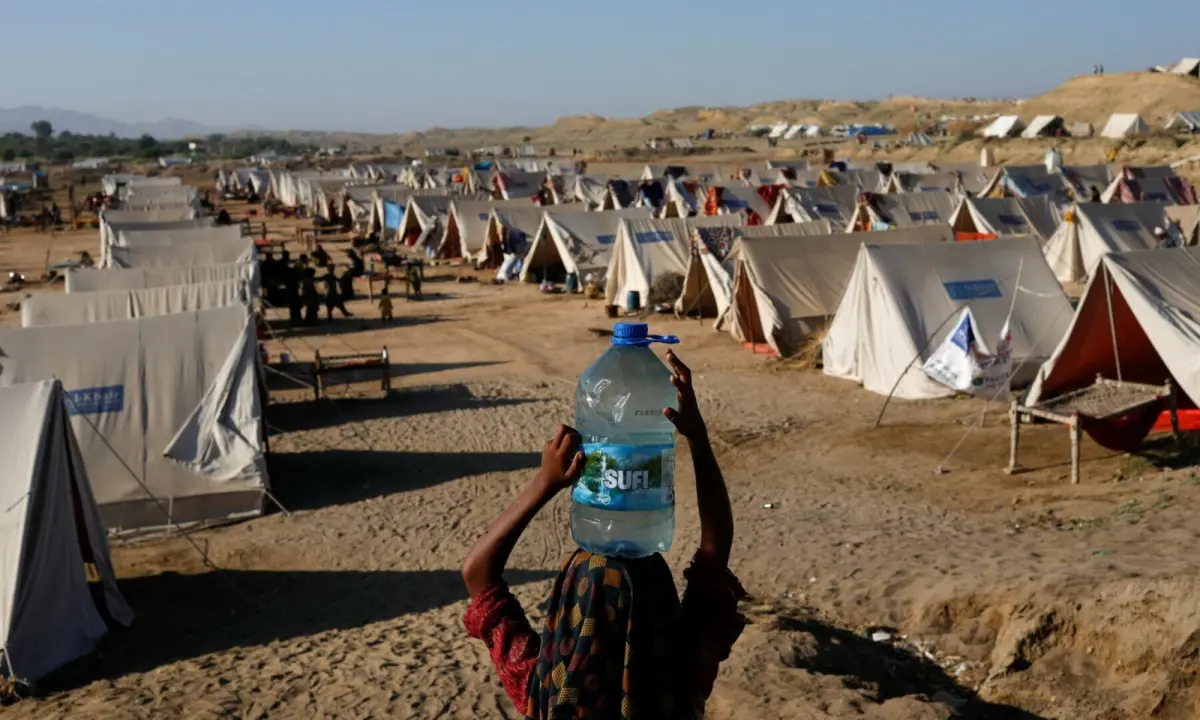
Grassroots climate activists from flood-affected regions in Pakistan face significant bureaucratic and financial hurdles in securing attendance at United Nations Framework Convention on Climate Change COP summits. Maryam Jamali, co-founder of Madat Balochistan, observed that individuals directly impacted by climate catastrophes are frequently absent from international forums discussing their futures. After attempting to attend multiple conferences, Jamali managed to secure a badge for COP29 in Baku through an organization sponsor, yet still fell short of her travel fundraising goals by USD 500.
Similarly, 18-year-old activist Aitzaz Roonjha from Lasbela, Balochistan, was selected to attend a climate summit but could not travel due to a lack of financial backing to cover visa, travel, and accommodation expenses. Activists note that navigation of the UN accreditation process often depends on personal networks, privileged urban backgrounds, and institutional affiliations.
Durlabh Ashok, founding director of Climate Forward Pakistan, explained that his organization offers limited assistance such as subsidised accommodation and accreditation support, but delegates generally remain responsible for their own travel and living costs. Ashok stated that avoiding a grant-driven funding model prevents the organization from holding undue clout over financial choices, leaving participants to shoulder the monetary burden independently.
The stakes
If financial and institutional barriers persist, actual climate affectees from frontline communities will remain excluded from global policy discussions, leaving privileged urban voices to shape international climate decisions without direct ground-level input.
Two readings
- Supporters of current COP accreditation and funding frameworks argue that strict institutional channels and self-funding requirements maintain operational order and delegate accountability at massive international summits.
- Critics contend that these structural barriers systematically silence vulnerable working-class communities and grassroots activists who bear the brunt of climate disasters.
Source Dawn — dawn.com/news/2044280/cop-has-a-guest-list-problem ↗
Read next
 ✒️Opinion & Analysis
ICJ Rules Myanmar Military Committed Genocide Against Rohingya
The International Court of Justice has found Myanmar's military guilty of genocide against the Rohingya, a ruling that damages the international standing of both Aung San…
 🕯️Democracy & Rights
Chinese teachers face rising parental pressure over personal life choices
Chinese educators are encountering a surge in unreasonable demands from parents, including complaints regarding teachers' pregnancy and maternity leave.
 🛡️War & Security
Ukraine Restricts Media Coverage of Infrastructure Damage Amid Russian Strikes
President Volodymyr Zelenskyy has issued a decree prohibiting media outlets from reporting on the impact of Russian strikes against critical infrastructure and the status…
 🏮China & Taiwan
Beijing Reaffirms Reunification Stance Following Taiwan Local Election Results
China’s Taiwan Affairs Office declared that the island’s reunification with the mainland remains inevitable, despite recent shifts in Taiwan's local political landscape.
 🇪🇺Europe
US Air Force Repels Unauthorized Drone Incursion at RAF Lakenheath
U.S. security forces at a British air base successfully countered a group of unidentified drones, amid growing concerns over potential foreign state involvement.
 ⚖️Law & Policy
India Government Proposes 50% Increase in Parliamentary Seats and Women's Reservation
The Indian government plans to introduce legislation to expand the Lok Sabha to 850 seats and mandate a 33% reservation for women in legislative bodies.