Nvidia Transactions and Trump Administration Chip Export Policy Scrutinized
Analyst Andrew C. McCarthy examines financial transactions involving Nvidia and their potential influence on Donald Trump's administration policies regarding semiconductor exports to China.
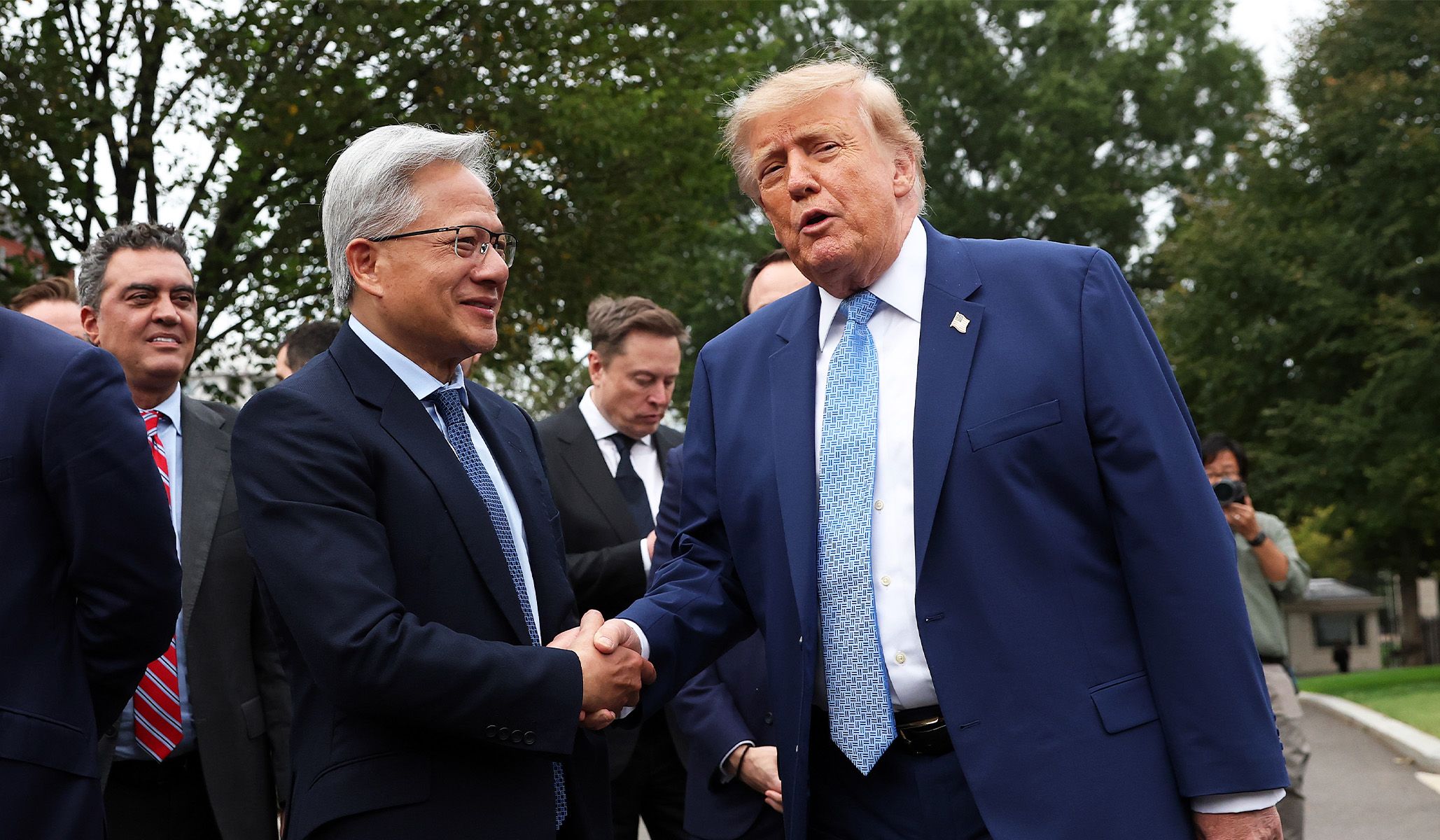 🚢Sanctions & Trade
Photo: National Review
Key points
- Andrew C. McCarthy examines Nvidia transactions and Trump policy
- Focus centers on semiconductor export regulations to China
- Questions raised regarding transactional governance and national security
Questions regarding the influence of corporate financial transactions on federal policy have emerged following an examination of Nvidia and its leadership. Senior fellow Andrew C. McCarthy outlined concerns connecting corporate payments and executive relationships under President Trump's administration, focusing specifically on regulations governing microchip exports to foreign adversaries.
The inquiry centers on a sequence of chronological transactions that allegedly fostered a close working rapport between tech executive Jensen Huang and the administration. Observers note that these developments occurred alongside shifting federal stances on high-performance semiconductor shipments destined for Chinese markets, raising integrity questions within executive policymaking.
While discussions surrounding corporate compliance and executive conduct often center on security vulnerabilities, federal watchdogs maintain that financial entanglements demand equal scrutiny. The regulatory framework overseeing advanced technology transfers remains a central battleground for national security advocates and commercial interests alike.
The stakes
If investigators establish a direct link between corporate payments and federal export relaxations, future technology trade policy could face stricter congressional oversight. The administration risks losing credibility on export controls, while the technology sector may encounter more transparent, albeit restrictive, compliance mandates regarding foreign sales.
Two readings
- Supporters read the situation as standard diplomatic and commercial engagement necessary to maintain American technological leadership in competitive global markets.
- Critics read the chronology as evidence of transactional governance where substantial financial contributions potentially swayed national security decisions.
Source National Review — nationalreview.com/article/did-payments-by-huang-s-nvidia-influence… ↗
Read next
 ✒️Opinion & Analysis
ICJ Rules Myanmar Military Committed Genocide Against Rohingya
The International Court of Justice has found Myanmar's military guilty of genocide against the Rohingya, a ruling that damages the international standing of both Aung San…
 🕯️Democracy & Rights
Chinese teachers face rising parental pressure over personal life choices
Chinese educators are encountering a surge in unreasonable demands from parents, including complaints regarding teachers' pregnancy and maternity leave.
 🛡️War & Security
Ukraine Restricts Media Coverage of Infrastructure Damage Amid Russian Strikes
President Volodymyr Zelenskyy has issued a decree prohibiting media outlets from reporting on the impact of Russian strikes against critical infrastructure and the status…
 🏮China & Taiwan
Beijing Reaffirms Reunification Stance Following Taiwan Local Election Results
China’s Taiwan Affairs Office declared that the island’s reunification with the mainland remains inevitable, despite recent shifts in Taiwan's local political landscape.
 🇪🇺Europe
US Air Force Repels Unauthorized Drone Incursion at RAF Lakenheath
U.S. security forces at a British air base successfully countered a group of unidentified drones, amid growing concerns over potential foreign state involvement.
 ⚖️Law & Policy
India Government Proposes 50% Increase in Parliamentary Seats and Women's Reservation
The Indian government plans to introduce legislation to expand the Lok Sabha to 850 seats and mandate a 33% reservation for women in legislative bodies.