India Triples Damaged Grain Allocation for Ethanol Amid Sugar Shift
Oil marketing companies in India have significantly increased feedstock allocations for damaged foodgrains and maize for the 2026-27 supply year following government directives on sugar diversion.
 🚢Sanctions & Trade
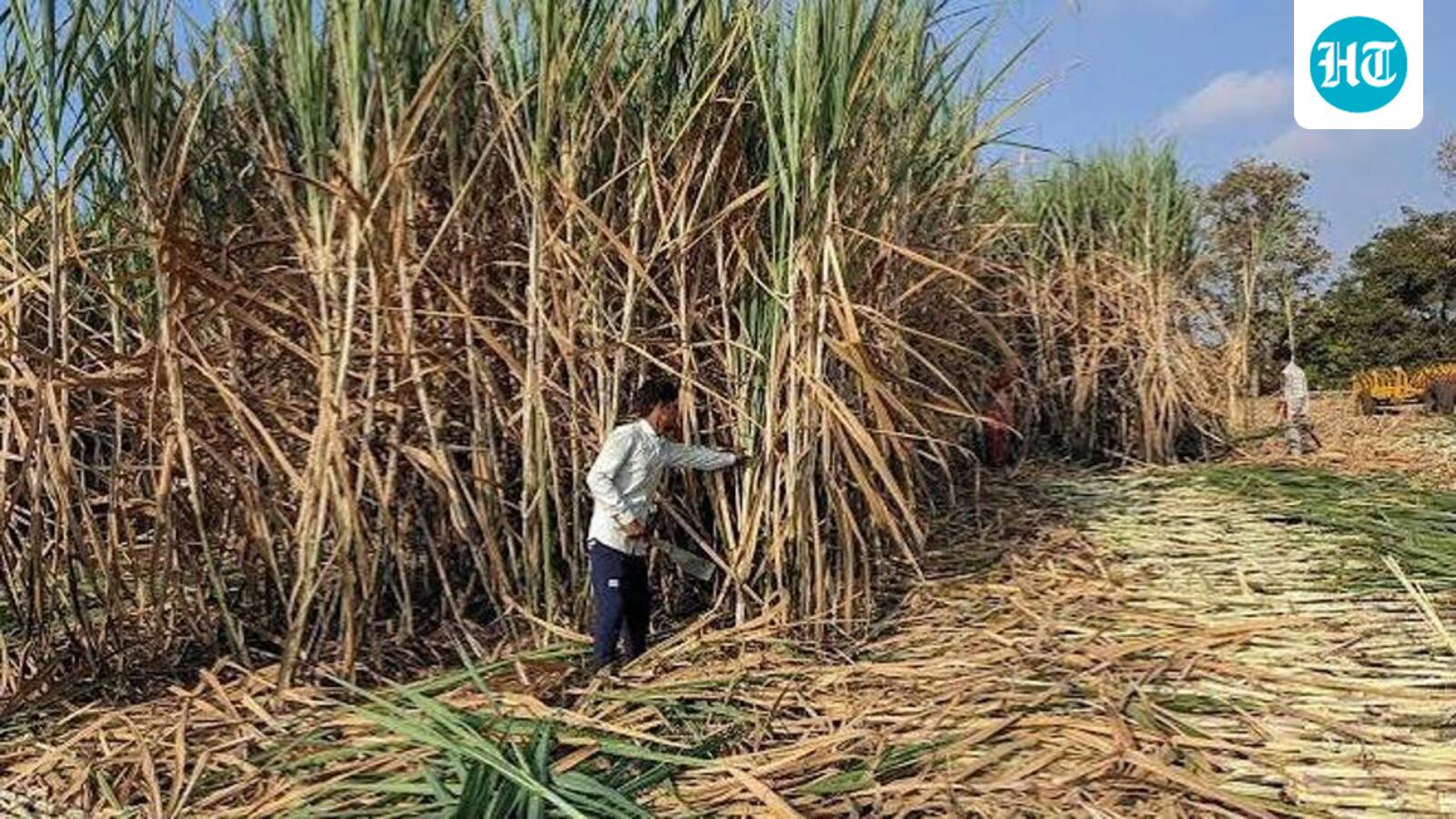
Photo: Hindustan Times
Key points
- Damaged foodgrain allocation for ethanol rises 237% to 3.81 million tonnes
- Government eliminates certain sugar-based ethanol routes for 2026-27 due to domestic supply concerns
- Actual procurement remains subject to market competition from animal feed and food processing industries
State-owned oil marketing companies in India have increased the allocation of ethanol produced from damaged foodgrains by 237% to reach 3.81 million tonnes for the 2026-27 supply year. According to feedstock-wise allocation data, the corresponding volume for maize has risen by 8% to 13.64 million tonnes, while surplus foodgrain allocations have expanded to 7.2 million tonnes.
The adjustments follow a directive from the central government instructing fuel retailers to reduce sugar diversion for biofuel production to zero, excluding sugarcane juice, sugar syrup, and B-heavy molasses, between November 2026 and October 2027. This shift was initiated in response to domestic supply concerns, elevated prices, and potential reductions in sugarcane output resulting from insufficient rainfall in key agricultural regions such as Maharashtra and Karnataka.
Industry analysts note that these official figures do not constitute guaranteed procurement volumes. Actual acquisition levels will depend heavily on market prices and competition from alternative sectors, including animal feed, dairy, and starch manufacturing, particularly as maize yields face pressure from reduced acreage and adverse weather.
The stakes
Grain farmers and biofuel distilleries stand to benefit from expanded government purchasing frameworks, while livestock and food-processing industries face higher input costs and intensified competition for maize and damaged grains. If actual market availability falls short of targets, achieving the national 20% ethanol blending mandate could require additional mid-cycle adjustments from federal regulators.
Two readings
- Supporters view the policy adjustment as a pragmatic administrative adaptation that successfully protects domestic sugar supplies and food security while keeping national biofuel blending targets on track.
- Critics argue that shifting massive volumes of grain toward fuel production risks fueling food inflation and squeezing traditional agricultural sectors like poultry and starch manufacturing.
Source Hindustan Times — hindustantimes.com/india-news/ethanol-mix-omcs-triple-damaged-grain… ↗
Read next
 ✒️Opinion & Analysis
ICJ Rules Myanmar Military Committed Genocide Against Rohingya
The International Court of Justice has found Myanmar's military guilty of genocide against the Rohingya, a ruling that damages the international standing of both Aung San…
 🕯️Democracy & Rights
Chinese teachers face rising parental pressure over personal life choices
Chinese educators are encountering a surge in unreasonable demands from parents, including complaints regarding teachers' pregnancy and maternity leave.
 🛡️War & Security
Ukraine Restricts Media Coverage of Infrastructure Damage Amid Russian Strikes
President Volodymyr Zelenskyy has issued a decree prohibiting media outlets from reporting on the impact of Russian strikes against critical infrastructure and the status…
 🏮China & Taiwan
Beijing Reaffirms Reunification Stance Following Taiwan Local Election Results
China’s Taiwan Affairs Office declared that the island’s reunification with the mainland remains inevitable, despite recent shifts in Taiwan's local political landscape.
 🇪🇺Europe
US Air Force Repels Unauthorized Drone Incursion at RAF Lakenheath
U.S. security forces at a British air base successfully countered a group of unidentified drones, amid growing concerns over potential foreign state involvement.
 ⚖️Law & Policy
India Government Proposes 50% Increase in Parliamentary Seats and Women's Reservation
The Indian government plans to introduce legislation to expand the Lok Sabha to 850 seats and mandate a 33% reservation for women in legislative bodies.