Jaishankar: Emerging Global Order Will Be Multipolar and Transactional
External Affairs Minister S Jaishankar stated that the evolving international order will feature decentralized power centers and transactional alliances, creating an environment marked by heightened competition and instability.
 🚢Sanctions & Trade
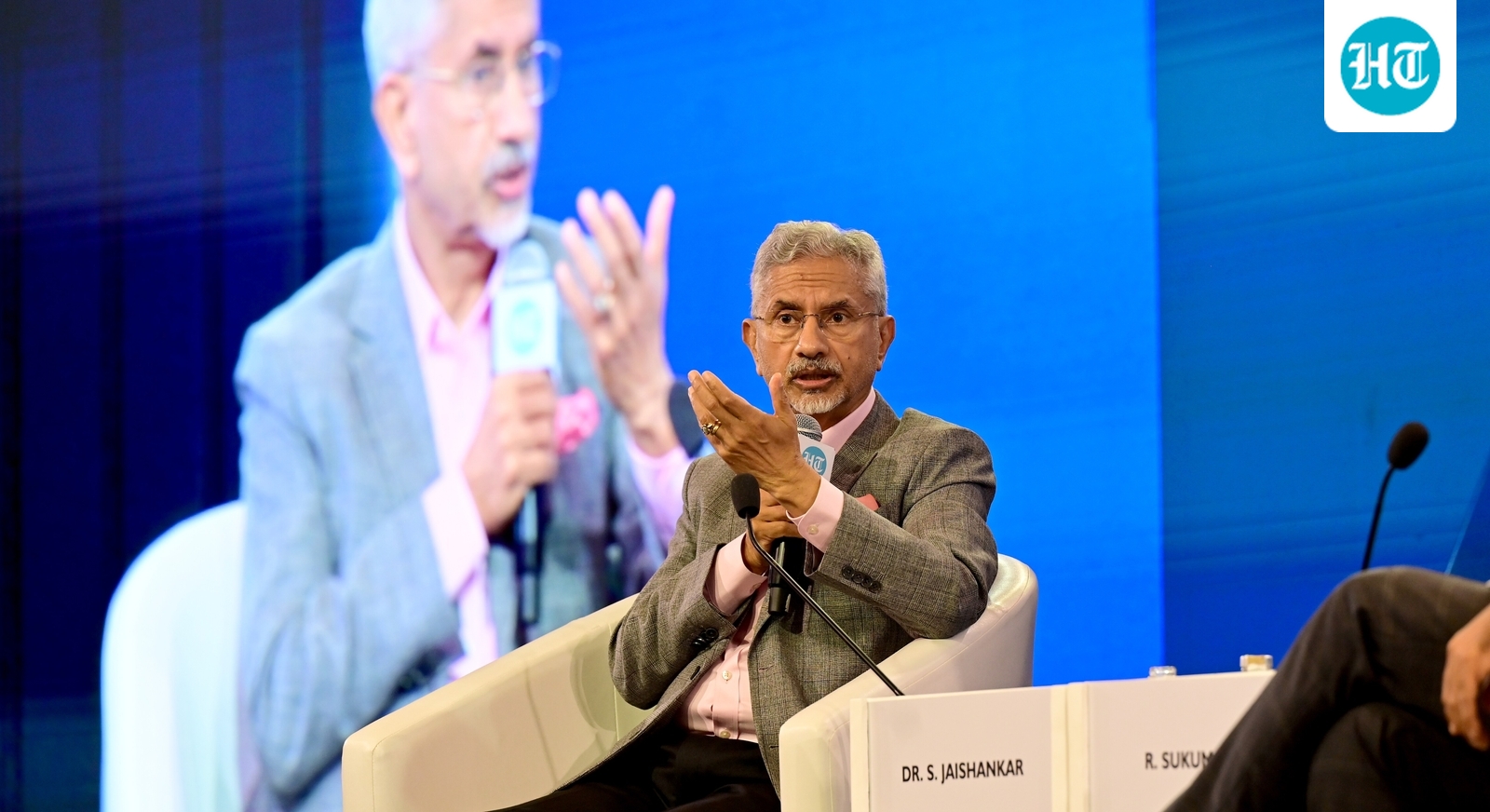
Photo: Hindustan Times
Key points
- Global order shifting toward multipolarity and transactional alliances.
- Multiple ongoing conflicts and supply disruptions fueling international instability.
- India's foreign policy guided strictly by national interest.
External Affairs Minister S Jaishankar declared on Saturday that the emerging global order will operate through multiple autonomous decision-making centers, leading to a more transactional and fiercely competitive international landscape. Speaking at a leadership summit, he noted that this shift coincides with severe global headwinds, including active conflicts in Ukraine and West Asia, crises across parts of Africa, and persistent volatility in global food and fuel supplies.
According to Jaishankar, traditional alliances are growing less cohesive as nations increasingly prioritize narrow domestic objectives. He cautioned that the growing number of self-centered actors increases system complexity and unpredictability, though he clarified this does not equate to outright anarchy. The minister pointed to broader structural shifts, specifically highlighting the evolving foreign policy approach of the United States and intense US-China competition as primary drivers of ongoing global turbulence.
Addressing New Delhi's position amid these geopolitical strains, Jaishankar emphasized that national interest remains the country's primary navigational compass. He stated that foreign policy evaluations regarding major global friction points, such as the conflict in Eastern Europe or instability in the Gulf, will be determined strictly through the prism of domestic security and economic resilience.
The stakes
As traditional multilateral structures loosen, developing economies and middle powers stand to gain greater tactical autonomy in bilateral dealings, while traditional security pacts risk losing predictability. If this transactional paradigm solidifies, international cooperation on global public goods like climate change and supply chain stability could face severe paralysis.
Two readings
- Supporters view: Proponents argue that a multipolar, transactional approach reflects realistic statecraft, granting New Delhi the freedom to forge partnerships tailored directly to its national economic and strategic requirements.
- Critics view: Detractors contend that the erosion of cohesive alliances and multilateral norms creates a chaotic global framework where smaller nations are left vulnerable to coercion by major powers.
Source Hindustan Times — hindustantimes.com/india-news/new-world-order-will-be-more-multipol… ↗
Read next
 ✒️Opinion & Analysis
ICJ Rules Myanmar Military Committed Genocide Against Rohingya
The International Court of Justice has found Myanmar's military guilty of genocide against the Rohingya, a ruling that damages the international standing of both Aung San…
 🕯️Democracy & Rights
Chinese teachers face rising parental pressure over personal life choices
Chinese educators are encountering a surge in unreasonable demands from parents, including complaints regarding teachers' pregnancy and maternity leave.
 🛡️War & Security
Ukraine Restricts Media Coverage of Infrastructure Damage Amid Russian Strikes
President Volodymyr Zelenskyy has issued a decree prohibiting media outlets from reporting on the impact of Russian strikes against critical infrastructure and the status…
 🏮China & Taiwan
Beijing Reaffirms Reunification Stance Following Taiwan Local Election Results
China’s Taiwan Affairs Office declared that the island’s reunification with the mainland remains inevitable, despite recent shifts in Taiwan's local political landscape.
 🇪🇺Europe
US Air Force Repels Unauthorized Drone Incursion at RAF Lakenheath
U.S. security forces at a British air base successfully countered a group of unidentified drones, amid growing concerns over potential foreign state involvement.
 ⚖️Law & Policy
India Government Proposes 50% Increase in Parliamentary Seats and Women's Reservation
The Indian government plans to introduce legislation to expand the Lok Sabha to 850 seats and mandate a 33% reservation for women in legislative bodies.