Rubio to Meet G7 Counterparts in France for Talks on Global Security
U.S. Secretary of State Marco Rubio will join G7 foreign ministers in France to discuss the conflicts in Ukraine and Iran, alongside emerging AI policy.
 🚢Sanctions & Trade
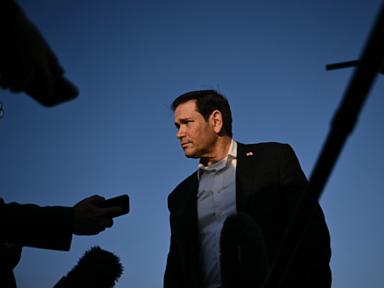
Photo: ABC World
Key points
- Marco Rubio travels to France for G7 ministerial meetings this week.
- Discussions will prioritize the wars in Ukraine and security threats from Iran.
- The group will also address international cooperation on artificial intelligence regulation.
U.S. Secretary of State Marco Rubio is scheduled to travel to France this week for high-level discussions with foreign ministers from the Group of Seven (G7) nations. The summit represents a significant diplomatic engagement for the American administration as it seeks to coordinate policy with its closest industrialized allies on multiple fronts.
The agenda for the meetings is broad, focusing heavily on the most pressing international security concerns. Chief among these are the continued war in Ukraine and the regional influence of Iran. Rubio is expected to lead discussions on maintaining a unified Western response to these conflicts, ensuring that support mechanisms remain aligned across the G7 member states.
Beyond traditional security, the talks will delve into the emerging field of artificial intelligence. The inclusion of AI on the ministerial agenda underscores the shift in diplomatic priorities toward technological sovereignty and the establishment of international norms for digital governance. The G7 partners aim to find common ground on how to manage the risks and benefits of rapid AI development.
The stakes
The success of these talks determines the cohesion of the Western alliance during a period of heightened global instability. For the United States, the meeting is an opportunity to reaffirm its leadership role and secure commitments on aid for Ukraine and pressure on Tehran. Conversely, a lack of consensus would signal a fragmentation of the G7's influence, potentially emboldening adversaries who benefit from a divided international response.
Two readings
- Supporters view the visit as a vital step in strengthening the transatlantic bond and ensuring that the world's leading democracies present a united front against authoritarian threats and technological disruption.
- Critics argue that the broad agenda may lead to vague communiqués rather than concrete action, questioning whether the G7 can still effectively dictate global policy in an increasingly multipolar world.
Source ABC World — abcnews.com/International/wireStory/rubio-discuss-iran-ukraine-ai-g7-al… ↗
Read next
 ✒️Opinion & Analysis
ICJ Rules Myanmar Military Committed Genocide Against Rohingya
The International Court of Justice has found Myanmar's military guilty of genocide against the Rohingya, a ruling that damages the international standing of both Aung San…
 🕯️Democracy & Rights
Chinese teachers face rising parental pressure over personal life choices
Chinese educators are encountering a surge in unreasonable demands from parents, including complaints regarding teachers' pregnancy and maternity leave.
 🛡️War & Security
Ukraine Restricts Media Coverage of Infrastructure Damage Amid Russian Strikes
President Volodymyr Zelenskyy has issued a decree prohibiting media outlets from reporting on the impact of Russian strikes against critical infrastructure and the status…
 🏮China & Taiwan
Beijing Reaffirms Reunification Stance Following Taiwan Local Election Results
China’s Taiwan Affairs Office declared that the island’s reunification with the mainland remains inevitable, despite recent shifts in Taiwan's local political landscape.
 🇪🇺Europe
US Air Force Repels Unauthorized Drone Incursion at RAF Lakenheath
U.S. security forces at a British air base successfully countered a group of unidentified drones, amid growing concerns over potential foreign state involvement.
 ⚖️Law & Policy
India Government Proposes 50% Increase in Parliamentary Seats and Women's Reservation
The Indian government plans to introduce legislation to expand the Lok Sabha to 850 seats and mandate a 33% reservation for women in legislative bodies.