Lucky Motor Corporation Suspends New Bookings for Peugeot 2008 in Pakistan
Lucky Motor Corporation has halted fresh orders for the Peugeot 2008 SUV as shifting market preferences toward electrified vehicles and rising fuel costs impact demand.
 🚢Sanctions & Trade
Photo: Dawn
Key points
- LMC suspended new bookings for the Peugeot 2008 amid declining demand.
- The company denies production has stopped, citing ongoing delivery of previous orders.
- Market shifts toward hybrid and Chinese vehicles have pressured European-branded sales.
Lucky Motor Corporation (LMC) has officially suspended new bookings for the Peugeot 2008, the only European SUV locally assembled in Pakistan. While the company maintains that production continues to fulfill existing orders, market observers and dealership shifts suggest a significant decline in the model's commercial viability. Since its 2022 launch, the vehicle has struggled to compete against a growing influx of Chinese brands and a consumer pivot toward fuel-efficient, electrified transport.
Chief Executive Muhammad Faisal confirmed that while assembly has not ceased, the company is no longer accepting new requests. LMC has responded to the cooling demand by implementing steep price cuts, reducing the cost of the 2008 Active and Allure models by over one million rupees. Despite these incentives, the brand faces challenges regarding resale value and long-term parts availability, leaving current owners concerned about the vehicle's future in the local market.
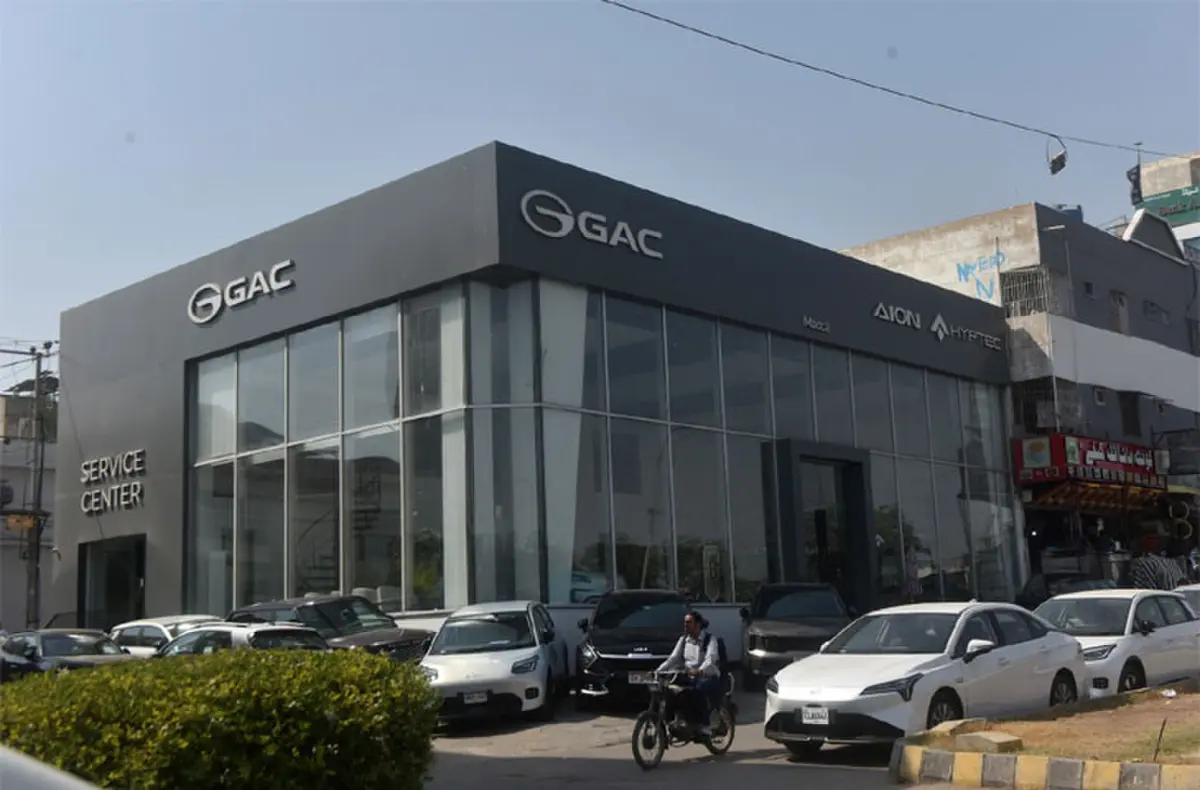
The shift is underscored by LMC’s recent strategic pivot toward Chinese manufacturing partnerships. Some former Peugeot showrooms have begun transitioning to display vehicles from the Chinese brand GAC, signaling a broader realignment within the company's portfolio. As LMC navigates these market pressures, the company insists that after-sales support remains active through its existing service network.
The stakes
The suspension of the Peugeot 2008 represents a setback for European automotive presence in Pakistan, potentially signaling a consolidation of the market toward Chinese and hybrid manufacturers. If the model is phased out, existing owners face potential depreciation and long-term maintenance uncertainty, while LMC shifts its capital and showroom space toward more commercially viable international partnerships.
Two readings
- Supporters view the move as a necessary corporate adjustment to volatile energy prices and changing consumer demand, allowing LMC to pivot toward more competitive, high-demand vehicle segments.
- Critics argue that the lack of transparency regarding the model's future undermines consumer trust, leaving early adopters with depreciating assets and potential difficulties in sourcing specialized parts.
Source Dawn — dawn.com/news/2044615/analysis-an-unlucky-bet ↗
Read next
 ✒️Opinion & Analysis
ICJ Rules Myanmar Military Committed Genocide Against Rohingya
The International Court of Justice has found Myanmar's military guilty of genocide against the Rohingya, a ruling that damages the international standing of both Aung San…
 🕯️Democracy & Rights
Chinese teachers face rising parental pressure over personal life choices
Chinese educators are encountering a surge in unreasonable demands from parents, including complaints regarding teachers' pregnancy and maternity leave.
 🛡️War & Security
Ukraine Restricts Media Coverage of Infrastructure Damage Amid Russian Strikes
President Volodymyr Zelenskyy has issued a decree prohibiting media outlets from reporting on the impact of Russian strikes against critical infrastructure and the status…
 🏮China & Taiwan
Beijing Reaffirms Reunification Stance Following Taiwan Local Election Results
China’s Taiwan Affairs Office declared that the island’s reunification with the mainland remains inevitable, despite recent shifts in Taiwan's local political landscape.
 🇪🇺Europe
US Air Force Repels Unauthorized Drone Incursion at RAF Lakenheath
U.S. security forces at a British air base successfully countered a group of unidentified drones, amid growing concerns over potential foreign state involvement.
 ⚖️Law & Policy
India Government Proposes 50% Increase in Parliamentary Seats and Women's Reservation
The Indian government plans to introduce legislation to expand the Lok Sabha to 850 seats and mandate a 33% reservation for women in legislative bodies.