ASEAN Ministers Sign Landmark Digital Economy Trade Pact in Manila
Southeast Asian nations have signed a legally binding digital economy agreement in Manila to streamline cross-border trade, harmonize payment systems, and ease data transfers by 2027.
 🚢Sanctions & Trade
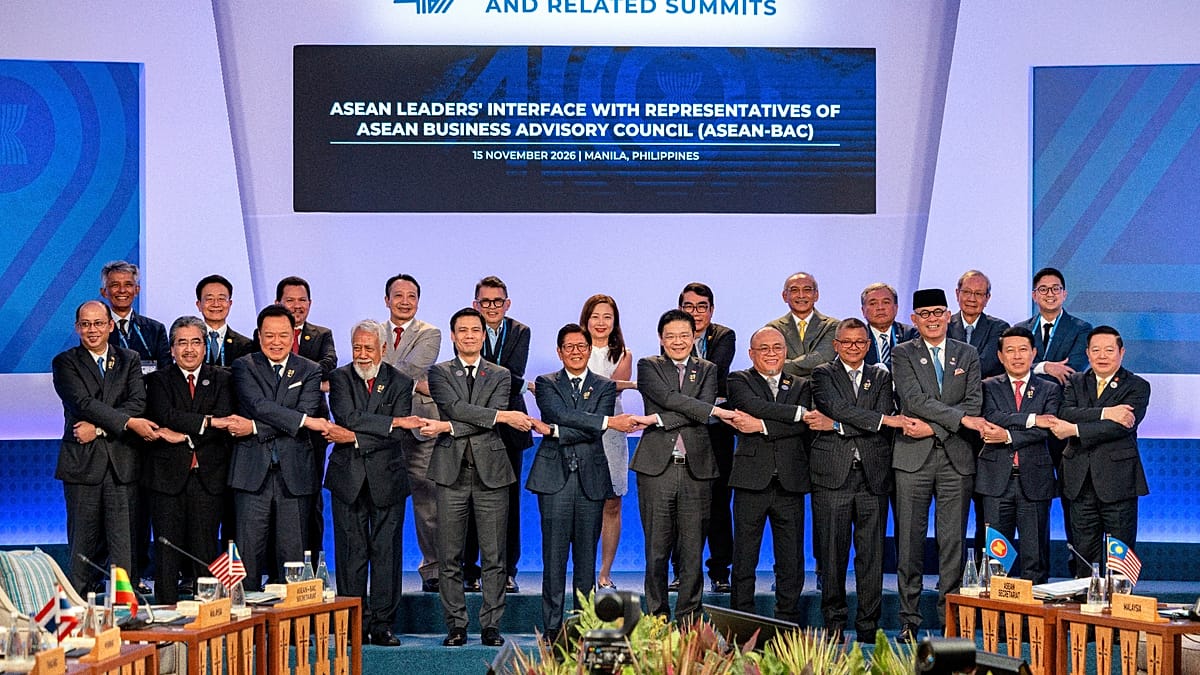
Photo: Euronews
Key points
- ASEAN signs its first legally binding digital trade agreement in Manila
- Pact aims to streamline cross-border payments and reduce paperwork by May 2027
- Asian Development Bank launches a $5 billion funding initiative to support digital infrastructure
Ministers from Southeast Asian nations signed a sweeping Digital Economy Framework Agreement in Manila, marking the bloc's first legally binding pact dedicated to digital commerce. Formally presented by Philippine President Ferdinand Marcos Jr. to ASEAN Secretary-General Kao Kim Hourn during the bloc's summit, the accord is scheduled to take effect in May 2027 to replace a 2019 e-commerce arrangement.
The agreement is designed to cut administrative paperwork by encouraging the mutual recognition of electronic invoices, shipping manifests, and digital signatures. It also seeks to integrate cross-border payment networks and establish unified rules for transferring commercial and financial data, significantly easing local data storage mandates for multinational firms operating within the region.
To facilitate the transition, Singapore’s Deputy Prime Minister Gan Kim Yong noted that members retain specific exceptions for national security, privacy, and commercial confidentiality, while also accommodating varying speeds of technological readiness among member states. Simultaneously, the Asian Development Bank launched a funding initiative aiming to gather up to $5 billion in public and private investments by 2030 to bolster cybersecurity, identity verification tools, and digital infrastructure.
The stakes
If implemented successfully, the agreement stands to reshape an online commercial landscape projected by industry forecasts to surpass $1 trillion by 2035. Smaller businesses and regional suppliers stand to gain through lower administrative hurdles, while national regulators must balance streamlined data flows against domestic security and privacy demands.
Two readings
- Supporters read the agreement as a vital modernization step that eliminates costly bureaucratic friction and accelerates digital integration across fast-growing emerging markets.
- Critics point out that stark disparities in technological readiness among member states could create uneven enforcement and leave critical cybersecurity gaps unaddressed.
Source Euronews — euronews.com/2026/11/15/southeast-asian-nations-sign-digital-trade-… ↗
Read next
 ✒️Opinion & Analysis
ICJ Rules Myanmar Military Committed Genocide Against Rohingya
The International Court of Justice has found Myanmar's military guilty of genocide against the Rohingya, a ruling that damages the international standing of both Aung San…
 🕯️Democracy & Rights
Chinese teachers face rising parental pressure over personal life choices
Chinese educators are encountering a surge in unreasonable demands from parents, including complaints regarding teachers' pregnancy and maternity leave.
 🛡️War & Security
Ukraine Restricts Media Coverage of Infrastructure Damage Amid Russian Strikes
President Volodymyr Zelenskyy has issued a decree prohibiting media outlets from reporting on the impact of Russian strikes against critical infrastructure and the status…
 🏮China & Taiwan
Beijing Reaffirms Reunification Stance Following Taiwan Local Election Results
China’s Taiwan Affairs Office declared that the island’s reunification with the mainland remains inevitable, despite recent shifts in Taiwan's local political landscape.
 🇪🇺Europe
US Air Force Repels Unauthorized Drone Incursion at RAF Lakenheath
U.S. security forces at a British air base successfully countered a group of unidentified drones, amid growing concerns over potential foreign state involvement.
 ⚖️Law & Policy
India Government Proposes 50% Increase in Parliamentary Seats and Women's Reservation
The Indian government plans to introduce legislation to expand the Lok Sabha to 850 seats and mandate a 33% reservation for women in legislative bodies.