Confederation of African Fashion Outlines Strategy for Continental Industry Growth
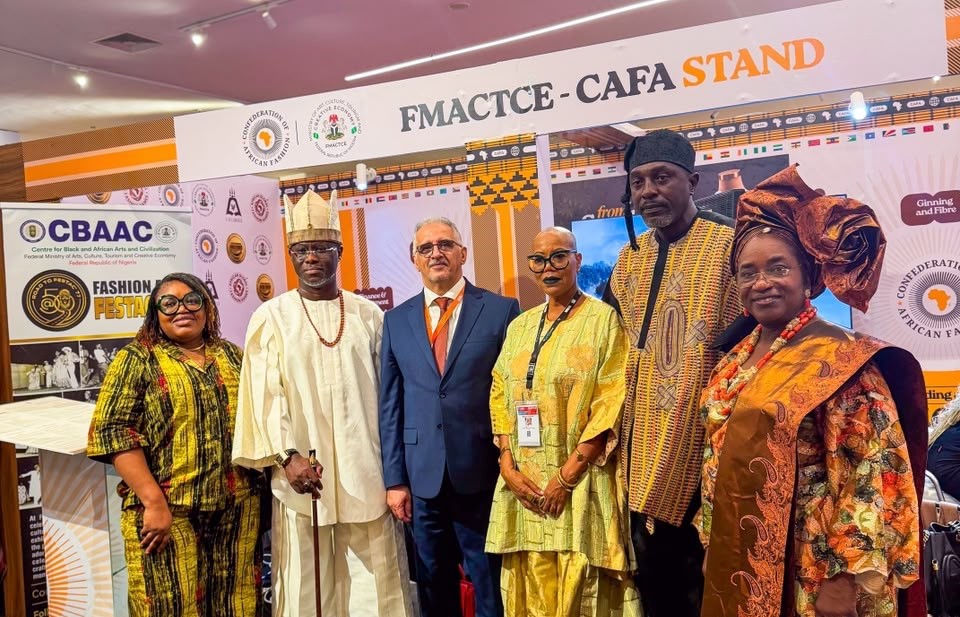
The Confederation of African Fashion has identified manufacturing capacity, financial access, and regional markets as essential priorities for boosting the continent's sector.
 🚢Sanctions & Trade
Photo: Premium Times
Key points
- CAFA targets manufacturing and finance for industry growth
- Regional market integration viewed as vital for global competitiveness
- High production costs remain a barrier for local designers
The Confederation of African Fashion (CAFA) announced that enhancing manufacturing capabilities, securing reliable financial access, and strengthening regional trade corridors are vital for expanding the African fashion sector and elevating its standing in global markets.
According to the organization, unlocking the economic potential of the continent's apparel and design industries requires targeted policy interventions and stronger infrastructure. Industry advocates argue that sustainable growth depends on reducing trade barriers between African nations to build a unified internal market.
Stakeholders have repeatedly pointed out that despite immense creative output, local designers and producers frequently struggle with high production costs and limited capital. Addressing these structural hurdles is viewed as a prerequisite for transforming creative talent into a major driver of economic development across the continent.
The stakes
If these industrial reforms are implemented, local manufacturers and regional economies stand to gain substantial export revenues and employment opportunities, while undercapitalized businesses and traditional artisans risk being left behind if capital remains scarce.
Two readings
- Supporters argue that focusing on intra-African trade and localized production will reduce reliance on foreign imports and foster sustainable industrialization.
- Critics contend that without immediate government subsidies and robust legal protections for intellectual property, broad policy declarations will yield minimal practical results.
Source Premium Times — premiumtimesng.com/news/more-news/925392-how-to-grow-africas-fashio… ↗
Read next
 ✒️Opinion & Analysis
ICJ Rules Myanmar Military Committed Genocide Against Rohingya
The International Court of Justice has found Myanmar's military guilty of genocide against the Rohingya, a ruling that damages the international standing of both Aung San…
 🕯️Democracy & Rights
Chinese teachers face rising parental pressure over personal life choices
Chinese educators are encountering a surge in unreasonable demands from parents, including complaints regarding teachers' pregnancy and maternity leave.
 🛡️War & Security
Ukraine Restricts Media Coverage of Infrastructure Damage Amid Russian Strikes
President Volodymyr Zelenskyy has issued a decree prohibiting media outlets from reporting on the impact of Russian strikes against critical infrastructure and the status…
 🏮China & Taiwan
Beijing Reaffirms Reunification Stance Following Taiwan Local Election Results
China’s Taiwan Affairs Office declared that the island’s reunification with the mainland remains inevitable, despite recent shifts in Taiwan's local political landscape.
 🇪🇺Europe
US Air Force Repels Unauthorized Drone Incursion at RAF Lakenheath
U.S. security forces at a British air base successfully countered a group of unidentified drones, amid growing concerns over potential foreign state involvement.
 ⚖️Law & Policy
India Government Proposes 50% Increase in Parliamentary Seats and Women's Reservation
The Indian government plans to introduce legislation to expand the Lok Sabha to 850 seats and mandate a 33% reservation for women in legislative bodies.