IMF to Assess Progress on Ethiopia’s Economic Forecasting Model
The International Monetary Fund is set to review the status of Ethiopia's new economic forecasting toolkit, which has missed its initial completion deadline.
 🚢Sanctions & Trade
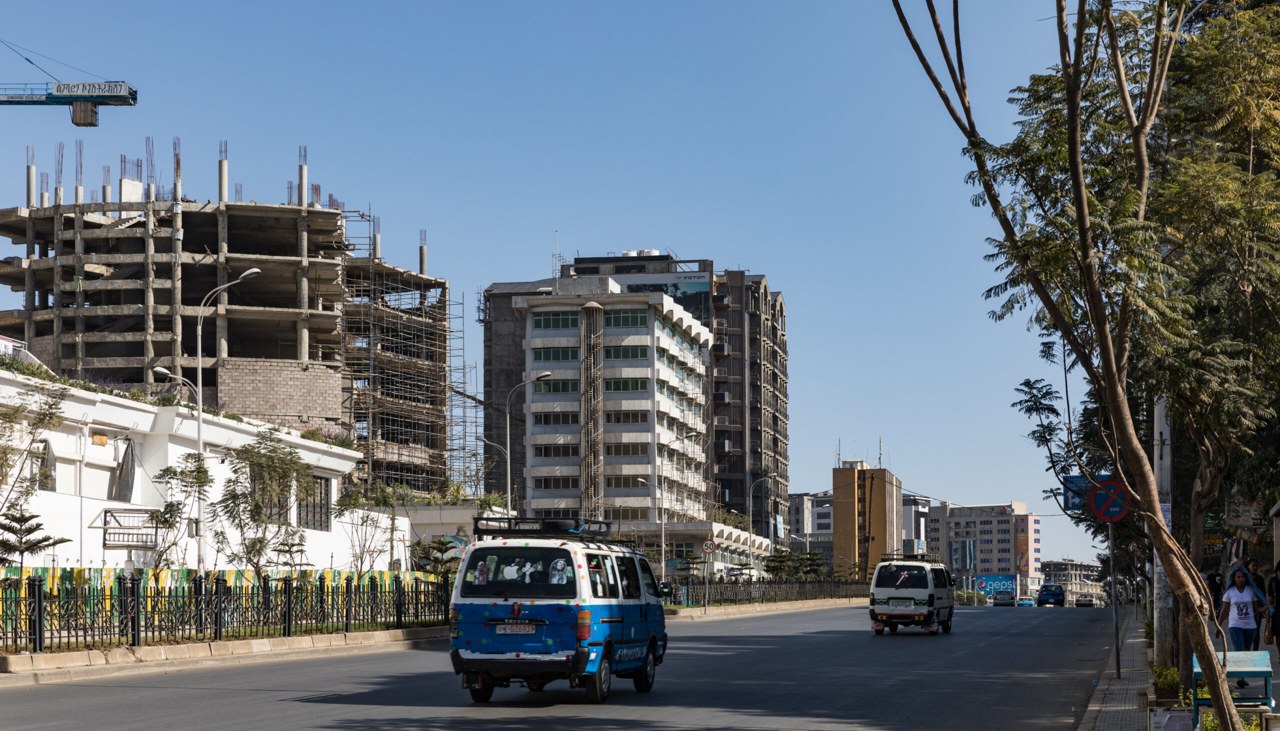
Photo: Rio Times
Key points
- The IMF is reviewing the implementation status of Ethiopia's delayed economic forecasting model.
- The CAEM toolkit is designed to improve tracking of inflation, growth, and debt sustainability.
- Future disbursements of the $3.4 billion loan program depend on the accuracy of government fiscal projections.
The International Monetary Fund (IMF) is scheduled to hold discussions with Ethiopian authorities regarding the implementation timeline of a new economic forecasting model. The project, known as the Comprehensive Adaptive Expectations Model (CAEM), was originally slated for completion in September 2026, but its current status remains unconfirmed by the Fund.
The initiative, requested by the Ethiopian Ministry of Finance in late 2024, aims to replace outdated systems with a more robust framework capable of tracking growth, inflation, and public finances. This technical upgrade is intended to integrate with a debt dynamics tool, providing a clearer picture of the country's fiscal health as it navigates a significant debt restructuring process.
Accurate forecasting is critical to the ongoing $3.4 billion Extended Credit Facility, as future loan disbursements depend on the government meeting specific economic targets. While the IMF has already released approximately $2.647 billion under the program, the effectiveness of the government’s fiscal policy relies heavily on the reliability of the underlying data and projections.
The stakes
The successful implementation of this model is vital for Ethiopia’s credibility with international lenders and bondholders. If the government fails to modernize its forecasting capabilities, it risks relying on insufficient data to manage the liberalization of the national currency and a demanding repayment schedule, potentially complicating future IMF reviews and financial stability.
Two readings
- Supporters view the model as a necessary modernization of Ethiopia’s fiscal plumbing, essential for long-term debt sustainability and transparent economic governance.
- Critics and observers note that persistent data gaps and the missed September 2026 deadline suggest significant institutional challenges in adopting these complex analytical tools.
Source Rio Times — riotimesonline.com/imf-ethiopia-forecasting-model-review-2026/ ↗
Read next
 ✒️Opinion & Analysis
ICJ Rules Myanmar Military Committed Genocide Against Rohingya
The International Court of Justice has found Myanmar's military guilty of genocide against the Rohingya, a ruling that damages the international standing of both Aung San…
 🕯️Democracy & Rights
Chinese teachers face rising parental pressure over personal life choices
Chinese educators are encountering a surge in unreasonable demands from parents, including complaints regarding teachers' pregnancy and maternity leave.
 🛡️War & Security
Ukraine Restricts Media Coverage of Infrastructure Damage Amid Russian Strikes
President Volodymyr Zelenskyy has issued a decree prohibiting media outlets from reporting on the impact of Russian strikes against critical infrastructure and the status…
 🏮China & Taiwan
Beijing Reaffirms Reunification Stance Following Taiwan Local Election Results
China’s Taiwan Affairs Office declared that the island’s reunification with the mainland remains inevitable, despite recent shifts in Taiwan's local political landscape.
 🇪🇺Europe
US Air Force Repels Unauthorized Drone Incursion at RAF Lakenheath
U.S. security forces at a British air base successfully countered a group of unidentified drones, amid growing concerns over potential foreign state involvement.
 ⚖️Law & Policy
India Government Proposes 50% Increase in Parliamentary Seats and Women's Reservation
The Indian government plans to introduce legislation to expand the Lok Sabha to 850 seats and mandate a 33% reservation for women in legislative bodies.