Trump Administration Issues Strict New Chip Export Controls Targeting China
The U.S. Commerce Department released an interim final rule establishing nation-based licensing requirements for advanced semiconductor chips sent to overseas data centers, while carving out exemptions for commercial recommender systems.
 🚢Sanctions & Trade
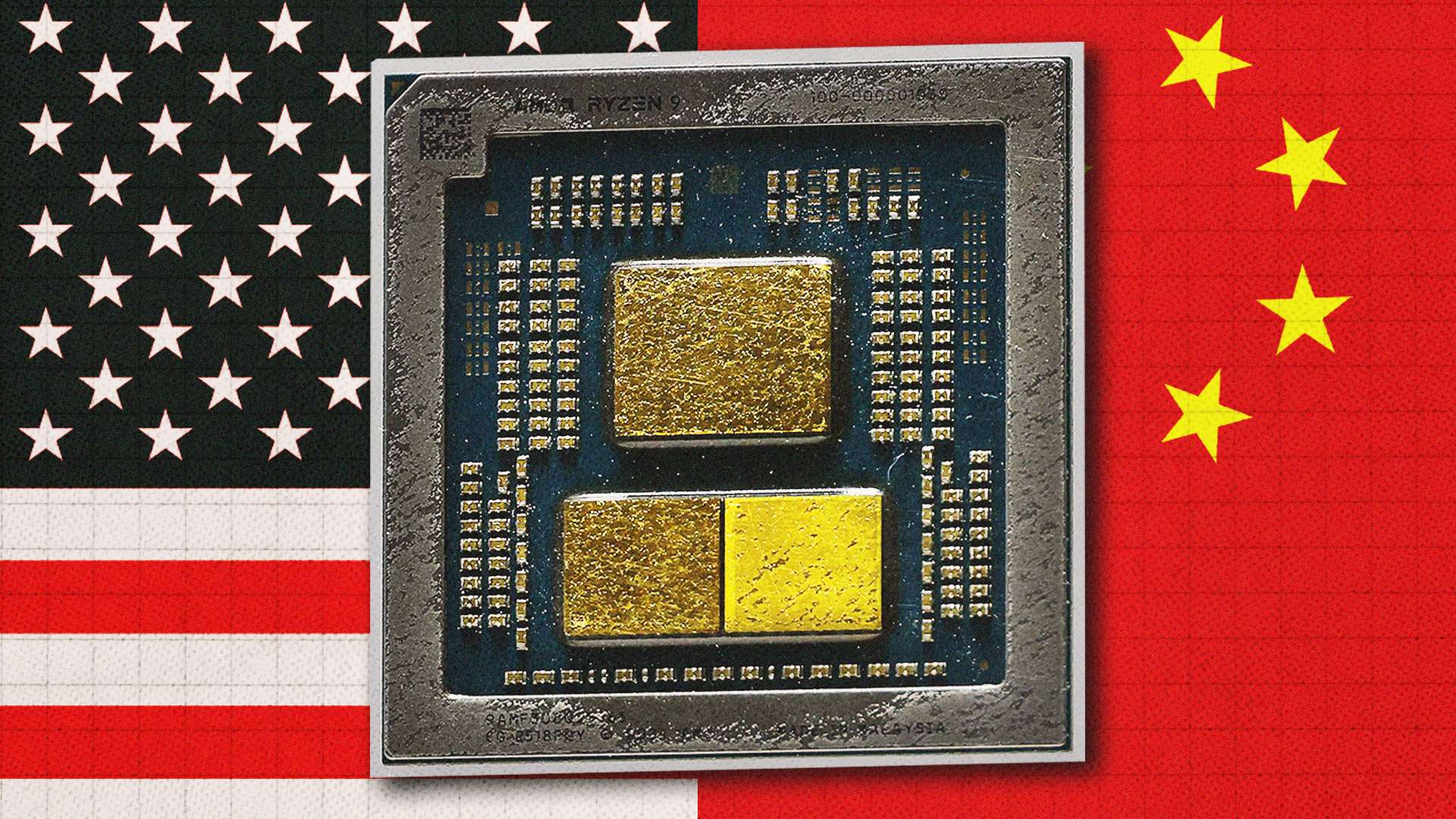
Photo: Reason
Key points
- Commerce Department issued an interim final rule targeting advanced chip exports to overseas data centers.
- Mandates federal licenses for data centers providing compute power to restricted nations within 90 days.
- Exempts commercial recommender systems used by e-commerce and social media platforms from licensing requirements.
On Monday, the Commerce Department's Bureau of Industry and Security issued an interim final rule designed to restrict the transfer of advanced semiconductor chips to overseas data centers that remotely supply significant volumes of computing power. Crafted in coordination with the Treasury Department and the National Security Council, the directive expands federal licensing mandates to prevent entities in restricted jurisdictions from accessing U.S.-origin technology for artificial intelligence development.
Under the new regulatory framework, any party knowingly providing access to data centers located in restricted regions—including countries subject to U.S. arms embargoes and Macau—must secure a federal license within ninety days. The policy also places strict due diligence obligations on foreign foundries, chip exporters, and data center operators to verify ultimate ownership and control structures before supplying compute capacity.
Despite the broad scope targeting foreign adversaries, the rule notably exempts commercial recommender systems utilized by social media and e-commerce platforms. Officials argued that these systems present different security calculations, though the carve-out extends to blacklisted Chinese enterprises and prominent application parent companies.
The stakes
American technology exporters and foreign data center operators face heightened compliance burdens and tighter oversight, while Beijing-backed firms must navigate narrower pathways to acquire crucial AI hardware. If enforced effectively, the rules could significantly hamper foreign artificial intelligence training capabilities, though persistent transshipment loopholes remain a challenge for federal enforcement agencies.
Two readings
- Supporters argue the restrictions are a vital national security imperative to safeguard American technological leadership and curb the military advancement of strategic rivals.
- Critics contend that broad exemptions for certain commercial platforms undermine the rule's integrity and fail to close glaring enforcement gaps in global supply chains.
Source Reason — reason.com/2026/11/16/trumps-new-chip-export-rule-targets-china-but-exe… ↗
Read next
 ✒️Opinion & Analysis
ICJ Rules Myanmar Military Committed Genocide Against Rohingya
The International Court of Justice has found Myanmar's military guilty of genocide against the Rohingya, a ruling that damages the international standing of both Aung San…
 🕯️Democracy & Rights
Chinese teachers face rising parental pressure over personal life choices
Chinese educators are encountering a surge in unreasonable demands from parents, including complaints regarding teachers' pregnancy and maternity leave.
 🛡️War & Security
Ukraine Restricts Media Coverage of Infrastructure Damage Amid Russian Strikes
President Volodymyr Zelenskyy has issued a decree prohibiting media outlets from reporting on the impact of Russian strikes against critical infrastructure and the status…
 🏮China & Taiwan
Beijing Reaffirms Reunification Stance Following Taiwan Local Election Results
China’s Taiwan Affairs Office declared that the island’s reunification with the mainland remains inevitable, despite recent shifts in Taiwan's local political landscape.
 🇪🇺Europe
US Air Force Repels Unauthorized Drone Incursion at RAF Lakenheath
U.S. security forces at a British air base successfully countered a group of unidentified drones, amid growing concerns over potential foreign state involvement.
 ⚖️Law & Policy
India Government Proposes 50% Increase in Parliamentary Seats and Women's Reservation
The Indian government plans to introduce legislation to expand the Lok Sabha to 850 seats and mandate a 33% reservation for women in legislative bodies.