President Lula Pledges Lower Interest Rates in National Address
Brazilian President Lula has announced an intent to reduce interest rates, despite the Central Bank's legal independence and recent decision to maintain current levels.
 🚢Sanctions & Trade
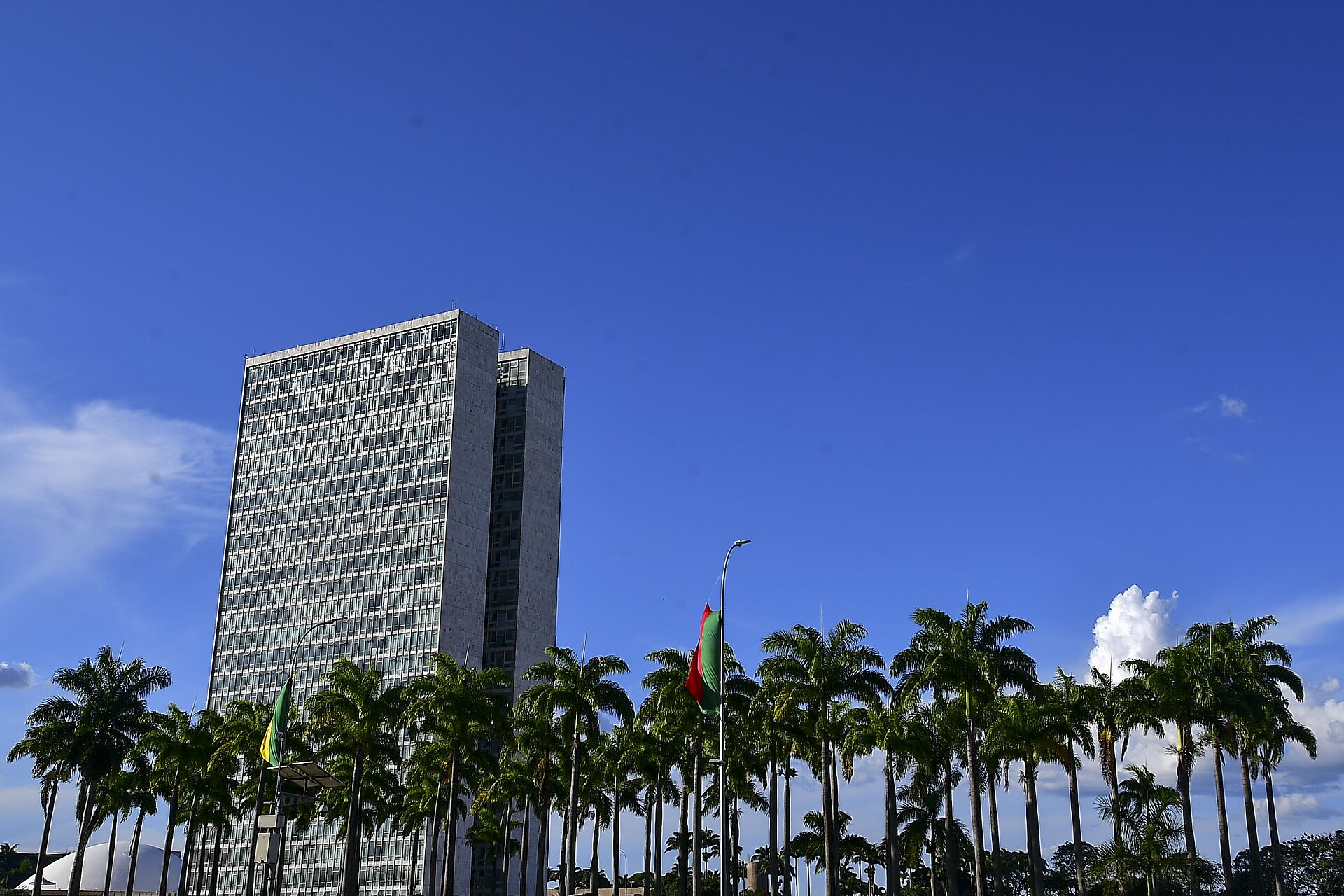
Photo: Rio Times
Key points
- President Lula promises lower interest rates without providing a specific plan or timeline.
- The Central Bank of Brazil maintains legal independence and recently held rates at 13.75%.
- The administration plans to offer debt relief to households and micro-entrepreneurs.
In his first national address since securing a fourth term, Brazilian President Lula declared his intention to lower the nation's interest rates, citing concerns over high borrowing costs and public debt. While the president emphasized a commitment to fiscal responsibility, he did not provide a specific timeline or concrete policy measures to achieve this objective. Instead, he proposed a goal of increasing national investment to over 20% of GDP in partnership with the private sector to create the necessary conditions for monetary easing.
The president's remarks come shortly after the Central Bank of Brazil’s Monetary Policy Committee (Copom) voted unanimously to keep the Selic rate at 13.75% on November 4. Because the central bank has operated under a legal framework of independence since 2021, the president lacks the direct authority to dictate monetary policy. The administration also announced plans to purchase household debt from banks and forgive debts owed by micro-entrepreneurs to the federal government, though these initiatives remain without defined budgets or implementation schedules.
Market participants are now closely monitoring the government's fiscal trajectory and the central bank's reaction to these political signals. With gross public debt currently at 82.9% of GDP, analysts suggest that the central bank will likely prioritize inflation control and debt management over political pressure when it convenes for its next policy meeting in December.
The stakes
If the government successfully implements debt relief and lowers rates, households and small businesses may see immediate financial relief, potentially stimulating consumption. However, failure to pair these actions with credible fiscal restraint risks undermining investor confidence, potentially weakening the currency and driving up inflation, which would force the independent central bank to keep rates higher for longer.
Two readings
- Supporters view the president's address as a necessary signal of intent to prioritize economic growth and social relief for struggling debtors.
- Critics argue that the lack of specific fiscal plans creates uncertainty and that the president is attempting to exert inappropriate political pressure on an independent institution.
Source Rio Times — riotimesonline.com/lula-vows-lower-interest-rates-brazil-address-20… ↗
Read next
 ✒️Opinion & Analysis
ICJ Rules Myanmar Military Committed Genocide Against Rohingya
The International Court of Justice has found Myanmar's military guilty of genocide against the Rohingya, a ruling that damages the international standing of both Aung San…
 🕯️Democracy & Rights
Chinese teachers face rising parental pressure over personal life choices
Chinese educators are encountering a surge in unreasonable demands from parents, including complaints regarding teachers' pregnancy and maternity leave.
 🛡️War & Security
Ukraine Restricts Media Coverage of Infrastructure Damage Amid Russian Strikes
President Volodymyr Zelenskyy has issued a decree prohibiting media outlets from reporting on the impact of Russian strikes against critical infrastructure and the status…
 🏮China & Taiwan
Beijing Reaffirms Reunification Stance Following Taiwan Local Election Results
China’s Taiwan Affairs Office declared that the island’s reunification with the mainland remains inevitable, despite recent shifts in Taiwan's local political landscape.
 🇪🇺Europe
US Air Force Repels Unauthorized Drone Incursion at RAF Lakenheath
U.S. security forces at a British air base successfully countered a group of unidentified drones, amid growing concerns over potential foreign state involvement.
 ⚖️Law & Policy
India Government Proposes 50% Increase in Parliamentary Seats and Women's Reservation
The Indian government plans to introduce legislation to expand the Lok Sabha to 850 seats and mandate a 33% reservation for women in legislative bodies.