US and Iran Locked in Deepening Stalemate Over Nuclear Program and Sanctions
The United States and Iran remain locked in a strategic stalemate, with both governments betting that time is on their side as economic pressure and military tensions persist.
 🚢Sanctions & Trade
Photo: Al-Monitor
Key points
- US relies on naval blockade and economic pressure instead of new bombing campaigns
- Tehran demands Washington make the first move while continuing nuclear enrichment
- European officials warn economic strategy has strengthened hardliners in Iran
The United States and Iran have locked into an unyielding stalemate after nearly nine months of conflict, with both nations calculating that time favors their respective strategies. US President Donald Trump has opted for a campaign of severe economic strangulation and naval blockades rather than heavy bombing, aiming to force Tehran into nuclear concessions while avoiding regional retaliation against Gulf energy infrastructure. Conversely, Iranian leadership has adopted an equally firm stance, drawing confidence from recent domestic political setbacks for Trump's Republican Party and Israeli Prime Minister Benjamin Netanyahu to demand that Washington initiate the first steps toward any resolution.
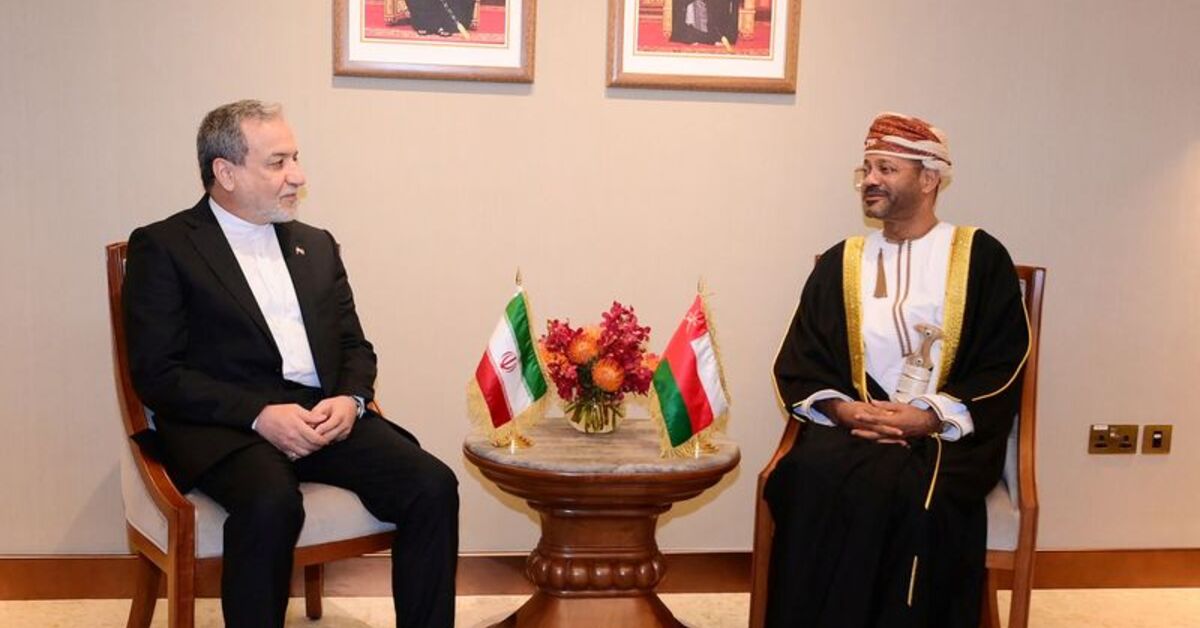
Diplomatic efforts involving Omani and Qatari mediators continue, yet both sides remain fundamentally at odds. Former US Middle East negotiator Dennis Ross noted that neither Washington nor Tehran possesses favorable alternatives, with each demanding terms that the other finds entirely unacceptable. Meanwhile, intelligence assessments cited by European officials indicate that a substantial portion of Iran's highly enriched uranium stockpile may be secured within the deeply fortified Pickaxe Mountain facility near Natanz, complicating long-term non-proliferation objectives.
US Secretary of State Marco Rubio defended Washington's approach during G7 ministerial meetings in Paris, emphasizing that sustained economic pressure remains the primary tool to compel Iranian cooperation. However, European diplomats and intelligence sources warn that the ongoing campaign has inadvertently bolstered hardline factions within Tehran while leaving the core nuclear dispute unresolved. Gulf nations, meanwhile, continue to absorb the regional spillover of the conflict, reporting thousands of missile and drone impacts throughout the region as the diplomatic window narrows.
The stakes
If this prolonged strategy of economic containment holds, Washington risks cementing a permanent underground Iranian nuclear capability while Gulf states continue to bear the brunt of regional proxy strikes. Should the diplomatic lull fail before Democrats assume control of Congress in January, President Trump retains the option to escalate back to direct military engagement, potentially igniting a wider regional war that could severely disrupt global energy markets.
Two readings
- Supporters read the strategy as a disciplined exercise in economic statecraft that maximizes leverage over Tehran without risking American casualties in a protracted ground war.
- Critics read the approach as a failed containment policy that emboldens Iranian hardliners, drives nuclear enrichment further underground, and endangers allied Gulf infrastructure.
Source Al-Monitor — al-monitor.com/originals/2026/11/trump-and-tehran-gamble-time-iran-… ↗
Read next
 ✒️Opinion & Analysis
ICJ Rules Myanmar Military Committed Genocide Against Rohingya
The International Court of Justice has found Myanmar's military guilty of genocide against the Rohingya, a ruling that damages the international standing of both Aung San…
 🕯️Democracy & Rights
Chinese teachers face rising parental pressure over personal life choices
Chinese educators are encountering a surge in unreasonable demands from parents, including complaints regarding teachers' pregnancy and maternity leave.
 🛡️War & Security
Ukraine Restricts Media Coverage of Infrastructure Damage Amid Russian Strikes
President Volodymyr Zelenskyy has issued a decree prohibiting media outlets from reporting on the impact of Russian strikes against critical infrastructure and the status…
 🏮China & Taiwan
Beijing Reaffirms Reunification Stance Following Taiwan Local Election Results
China’s Taiwan Affairs Office declared that the island’s reunification with the mainland remains inevitable, despite recent shifts in Taiwan's local political landscape.
 🇪🇺Europe
US Air Force Repels Unauthorized Drone Incursion at RAF Lakenheath
U.S. security forces at a British air base successfully countered a group of unidentified drones, amid growing concerns over potential foreign state involvement.
 ⚖️Law & Policy
India Government Proposes 50% Increase in Parliamentary Seats and Women's Reservation
The Indian government plans to introduce legislation to expand the Lok Sabha to 850 seats and mandate a 33% reservation for women in legislative bodies.