US Crude Imports From Venezuela Reach Nine-Year High
US imports of Venezuelan oil reached their highest levels since 2017 in July, driven by increased demand from Gulf Coast refineries and a shift in Washington’s sanctions policy.
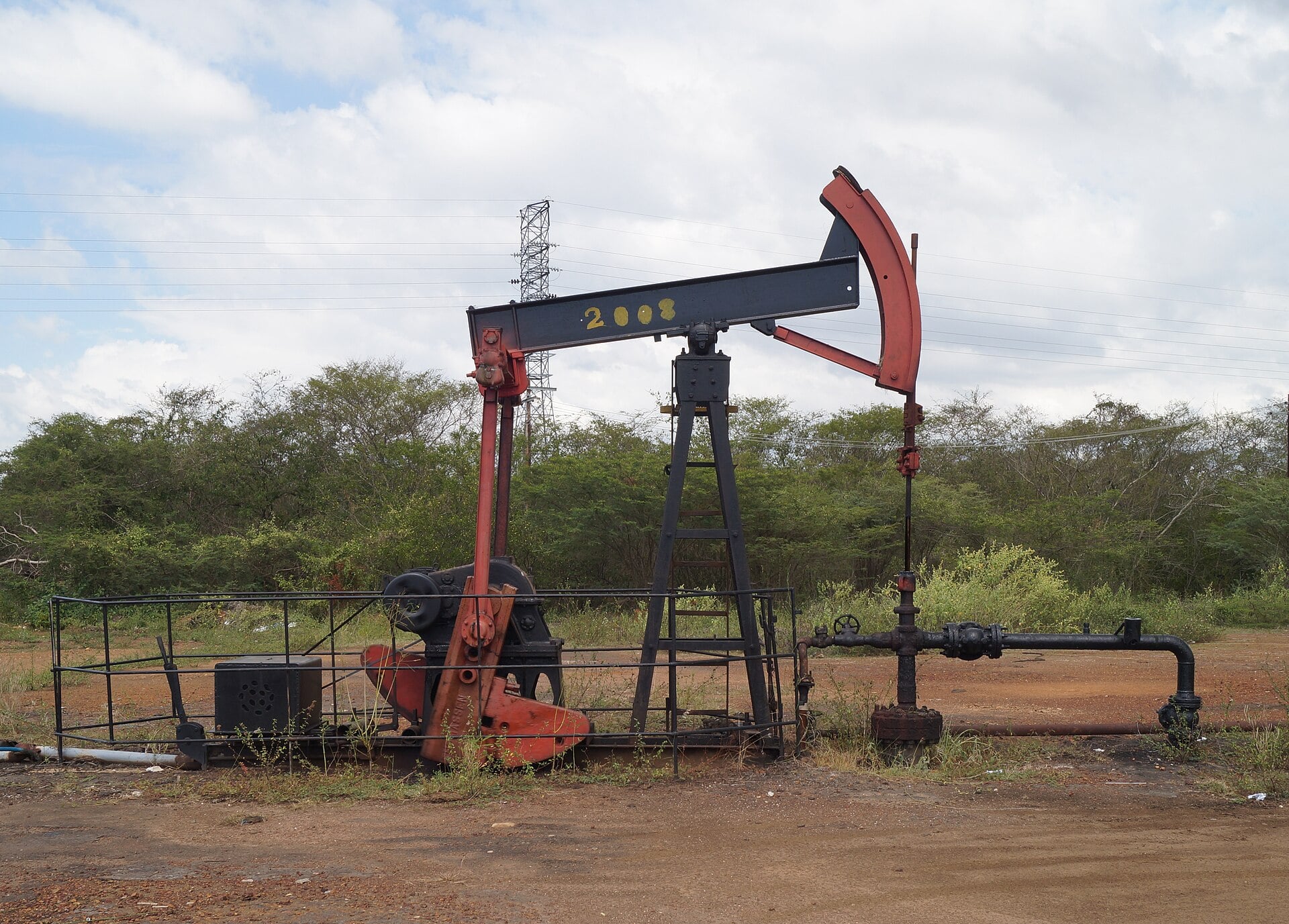 🚢Sanctions & Trade
Photo: Rio Times
Key points
- US imports of Venezuelan crude hit 701,000 barrels per day in July 2026.
- Gulf Coast refineries are the primary drivers of demand for heavy Venezuelan oil.
- Venezuela has ceased crude shipments to China, pivoting its exports toward the US market.
Data from the US Energy Information Administration (EIA) indicates that American imports of Venezuelan crude reached 701,000 barrels per day in July 2026, marking the highest volume recorded since May 2017. While figures saw a slight decline to 655,000 barrels per day in August, the trend represents a significant increase from the start of the year, when imports hovered around 200,000 barrels per day.
The surge is attributed to a combination of high refining margins and a strategic easing of US sanctions on Venezuela’s state-owned oil firm, PDVSA. Many refineries located along the US Gulf Coast are specifically engineered to process the heavy, high-sulfur crude characteristic of Venezuelan exports. Additionally, market analysts note that logistical disruptions in the Strait of Hormuz have further incentivized US refiners to prioritize Venezuelan supply over Middle Eastern alternatives.
The current trade dynamic marks a notable shift in the geopolitical landscape, as Venezuela has redirected its exports away from China to become one of the primary suppliers for the United States. Following the 2022 authorization for Chevron to resume operations in Venezuelan joint ventures, the flow of oil has steadily increased, effectively making the US the largest single destination for Venezuelan crude.
The stakes
Gulf Coast refiners stand to gain from consistent access to heavy crude, which optimizes their processing capacity and profit margins. Conversely, the reliance on Venezuelan imports introduces significant political volatility, as any shift in US-Venezuela diplomatic relations or sanctions enforcement could abruptly disrupt supply chains and impact domestic fuel production costs.
Two readings
- Supporters argue that engagement and the easing of energy sanctions provide a pragmatic, market-based solution to supply chain vulnerabilities and support US refinery efficiency.
- Critics contend that increasing dependency on Venezuelan oil provides financial stability to the Maduro administration, potentially undermining broader US foreign policy objectives regarding regional democracy and human rights.
Source Rio Times — riotimesonline.com/us-oil-imports-from-venezuela-peak-july-2026/ ↗
Read next
 ✒️Opinion & Analysis
ICJ Rules Myanmar Military Committed Genocide Against Rohingya
The International Court of Justice has found Myanmar's military guilty of genocide against the Rohingya, a ruling that damages the international standing of both Aung San…
 🕯️Democracy & Rights
Chinese teachers face rising parental pressure over personal life choices
Chinese educators are encountering a surge in unreasonable demands from parents, including complaints regarding teachers' pregnancy and maternity leave.
 🛡️War & Security
Ukraine Restricts Media Coverage of Infrastructure Damage Amid Russian Strikes
President Volodymyr Zelenskyy has issued a decree prohibiting media outlets from reporting on the impact of Russian strikes against critical infrastructure and the status…
 🏮China & Taiwan
Beijing Reaffirms Reunification Stance Following Taiwan Local Election Results
China’s Taiwan Affairs Office declared that the island’s reunification with the mainland remains inevitable, despite recent shifts in Taiwan's local political landscape.
 🇪🇺Europe
US Air Force Repels Unauthorized Drone Incursion at RAF Lakenheath
U.S. security forces at a British air base successfully countered a group of unidentified drones, amid growing concerns over potential foreign state involvement.
 ⚖️Law & Policy
India Government Proposes 50% Increase in Parliamentary Seats and Women's Reservation
The Indian government plans to introduce legislation to expand the Lok Sabha to 850 seats and mandate a 33% reservation for women in legislative bodies.