Angola Faces Fiscal Uncertainty as Global Oil Prices Decline
Angola's National Assembly is set to vote on a 37.3 trillion kwanza budget as falling Brent crude prices narrow the government's fiscal windfall.
 🚢Sanctions & Trade
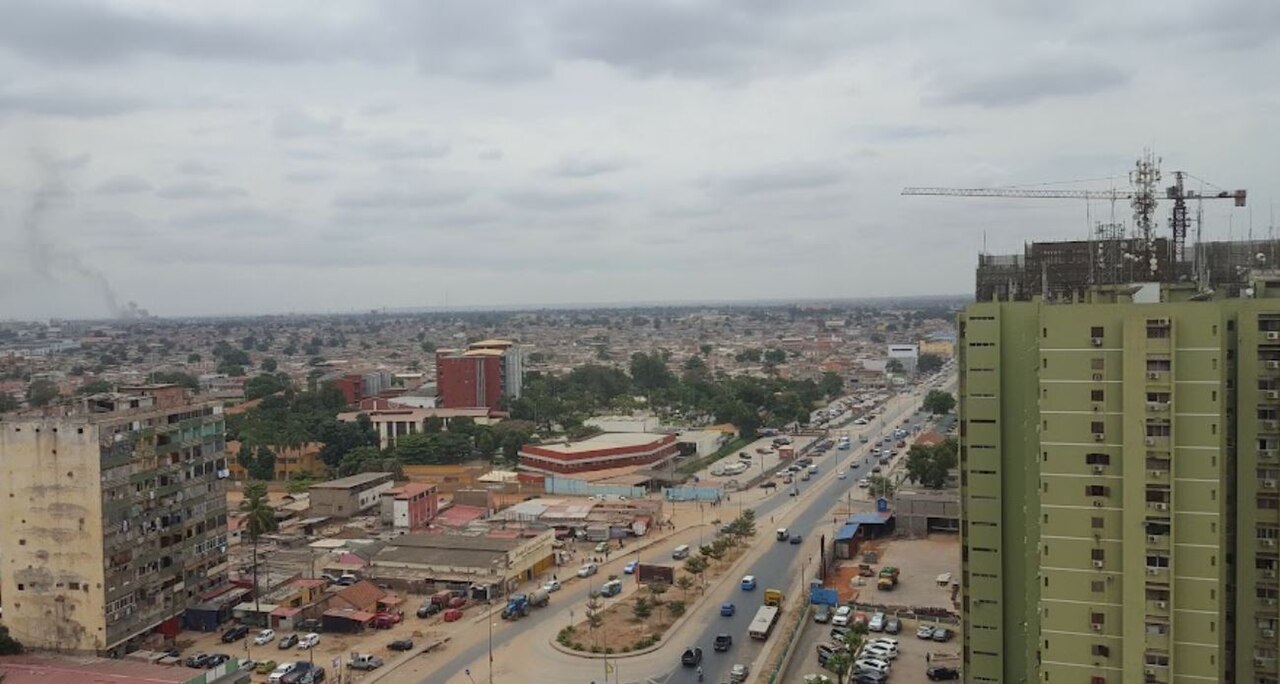
Photo: Rio Times
Key points
- Angola's 2027 budget proposal uses a US$71 per barrel reference price for crude oil.
- Brent crude prices have fallen significantly from October highs, threatening potential state revenue windfalls.
- The National Assembly is scheduled to vote on the 37.3 trillion kwanza budget on November 12.
The Angolan National Assembly is scheduled to hold a decisive vote on the 2027 national budget on November 12, amidst a period of significant volatility in international energy markets. The proposed budget, valued at approximately 37.3 trillion kwanzas (US$40.6 billion), is underpinned by a reference price of US$71 per barrel for crude oil, which remains the nation's primary export and a critical driver of state revenue.
While the government’s reference price is currently below the market rate, the rapid decline in Brent crude—which dropped to approximately US$98 per barrel by November 6—has significantly reduced the surplus revenue the state previously anticipated. Market analysts have linked the recent downward trend in oil prices to potential shifts in geopolitical tensions in the Gulf, alongside broader fluctuations in global equity markets following recent US midterm elections.
The government's fiscal stability relies heavily on maintaining a production output of roughly 1 million barrels per day. Should international oil prices continue to slide toward the US$71 threshold, the administration may face increased pressure regarding debt service obligations and the sustainability of its planned public spending.
The stakes
The budget vote determines the country's fiscal trajectory for the coming year; if the price of oil falls below the US$71 reference, the government risks a shortfall that could force cuts to public services or increase the burden of servicing foreign-denominated debt. Successful passage ensures the continuation of state operations, while international investors in Angolan Eurobonds and oil assets remain sensitive to the government's ability to balance its books against volatile commodity markets.
Two readings
- Supporters argue that the US$71 reference price provides a prudent, conservative buffer that protects the national budget against moderate market fluctuations.
- Critics contend that the government's reliance on oil revenue remains dangerously high, leaving the nation vulnerable to external geopolitical shocks and rapid global price corrections.
Source Rio Times — riotimesonline.com/angola-budget-faces-oil-slide-as-brent-drops/ ↗
Read next
 ✒️Opinion & Analysis
ICJ Rules Myanmar Military Committed Genocide Against Rohingya
The International Court of Justice has found Myanmar's military guilty of genocide against the Rohingya, a ruling that damages the international standing of both Aung San…
 🕯️Democracy & Rights
Chinese teachers face rising parental pressure over personal life choices
Chinese educators are encountering a surge in unreasonable demands from parents, including complaints regarding teachers' pregnancy and maternity leave.
 🛡️War & Security
Ukraine Restricts Media Coverage of Infrastructure Damage Amid Russian Strikes
President Volodymyr Zelenskyy has issued a decree prohibiting media outlets from reporting on the impact of Russian strikes against critical infrastructure and the status…
 🏮China & Taiwan
Beijing Reaffirms Reunification Stance Following Taiwan Local Election Results
China’s Taiwan Affairs Office declared that the island’s reunification with the mainland remains inevitable, despite recent shifts in Taiwan's local political landscape.
 🇪🇺Europe
US Air Force Repels Unauthorized Drone Incursion at RAF Lakenheath
U.S. security forces at a British air base successfully countered a group of unidentified drones, amid growing concerns over potential foreign state involvement.
 ⚖️Law & Policy
India Government Proposes 50% Increase in Parliamentary Seats and Women's Reservation
The Indian government plans to introduce legislation to expand the Lok Sabha to 850 seats and mandate a 33% reservation for women in legislative bodies.