South African Reserve Bank Maintains Repo Rate Amid Inflationary Pressures
The South African Reserve Bank has opted to hold interest rates steady at 7.25%, though officials warned that further hikes remain possible to combat rising inflation.
 🚢Sanctions & Trade
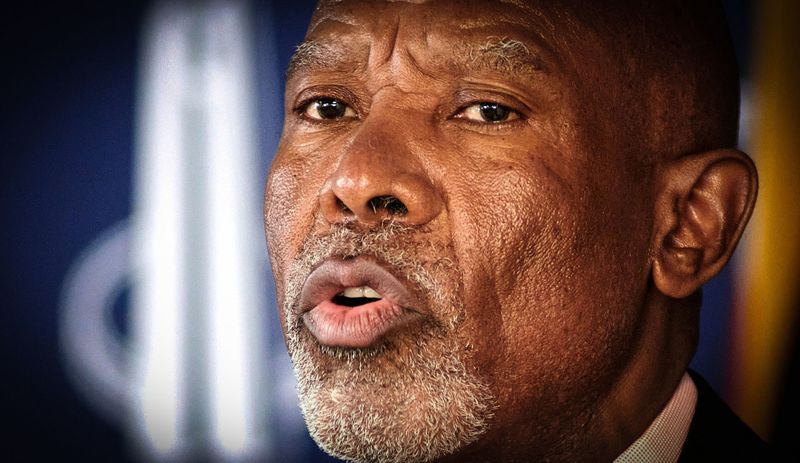
Photo: Daily Maverick
Key points
- SARB maintains repo rate at 7.25% in a narrow 4-3 vote
- October inflation hit 5.2%, exceeding the bank's 3% target
- Governor Kganyago warns that future rate hikes remain on the table
The South African Reserve Bank (SARB) Monetary Policy Committee (MPC) announced on Thursday that it will maintain the repo rate at 7.25%. Governor Lesetja Kganyago confirmed the decision followed a narrow internal vote, with four members favoring a pause and three advocating for a 25-basis-point increase. Despite the reprieve for borrowers, the committee emphasized that its hawkish stance remains intact as it monitors persistent inflationary risks.
Inflationary pressures have intensified, with the Consumer Price Index rising to 5.2% in October, up from 4.5% the previous month. The central bank highlighted that this figure sits well above its 3% target, exacerbated by volatile fuel prices linked to ongoing instability in the Middle East. While core inflation remains relatively contained, the committee expressed concern regarding potential future spikes in food prices, particularly due to the uncertain impact of El Niño conditions on agricultural output.
Governor Kganyago characterized the bank's current strategy as a proactive effort to contain price growth before it becomes entrenched. He warned that the committee would not hesitate to adjust monetary policy if data indicates that inflationary trends are accelerating. The decision reflects a delicate balance between supporting economic resilience and fulfilling the bank's mandate to stabilize prices in a volatile global trade environment.
The stakes
Homeowners and consumers benefit from the immediate stability in borrowing costs, which provides temporary relief for household budgets. However, if global fuel prices continue to climb or domestic food costs surge, the central bank will likely be forced to raise rates, increasing the financial burden on debt holders and potentially slowing national economic growth.
Two readings
- Supporters argue that the pause prevents unnecessary economic cooling and acknowledges that inflation, while elevated, has not yet triggered widespread secondary price increases.
- Critics contend that the narrow vote and rising CPI figures suggest the bank is underestimating the long-term impact of external shocks, risking a more aggressive and painful interest rate hike in the near future.
Source Daily Maverick — dailymaverick.co.za/article/2026-11-19-sa-reserve-bank-holds-rates-… ↗
Read next
 ✒️Opinion & Analysis
ICJ Rules Myanmar Military Committed Genocide Against Rohingya
The International Court of Justice has found Myanmar's military guilty of genocide against the Rohingya, a ruling that damages the international standing of both Aung San…
 🕯️Democracy & Rights
Chinese teachers face rising parental pressure over personal life choices
Chinese educators are encountering a surge in unreasonable demands from parents, including complaints regarding teachers' pregnancy and maternity leave.
 🛡️War & Security
Ukraine Restricts Media Coverage of Infrastructure Damage Amid Russian Strikes
President Volodymyr Zelenskyy has issued a decree prohibiting media outlets from reporting on the impact of Russian strikes against critical infrastructure and the status…
 🏮China & Taiwan
Beijing Reaffirms Reunification Stance Following Taiwan Local Election Results
China’s Taiwan Affairs Office declared that the island’s reunification with the mainland remains inevitable, despite recent shifts in Taiwan's local political landscape.
 🇪🇺Europe
US Air Force Repels Unauthorized Drone Incursion at RAF Lakenheath
U.S. security forces at a British air base successfully countered a group of unidentified drones, amid growing concerns over potential foreign state involvement.
 ⚖️Law & Policy
India Government Proposes 50% Increase in Parliamentary Seats and Women's Reservation
The Indian government plans to introduce legislation to expand the Lok Sabha to 850 seats and mandate a 33% reservation for women in legislative bodies.