Pakistan Planning Minister Directs Action on Transport Fares Amid Falling Fuel Prices
Planning Minister Ahsan Iqbal has ordered provincial governments to lower passenger and freight fares following consecutive weekly declines in short-term inflation and petroleum prices.
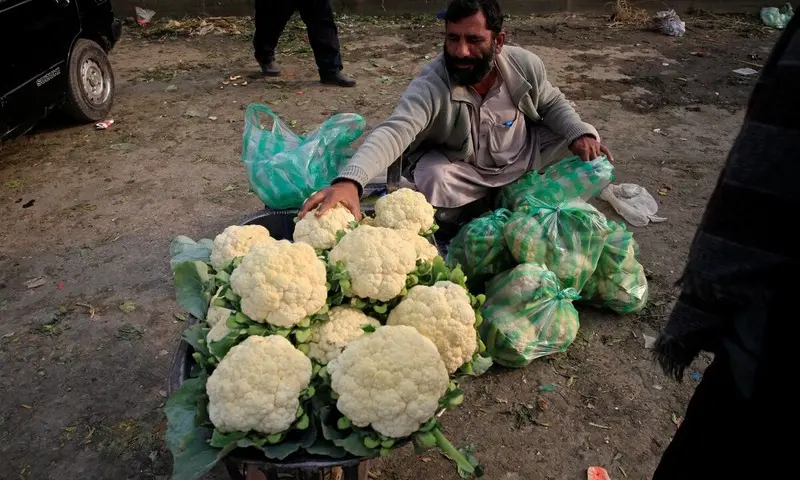 🚢Sanctions & Trade
Photo: Dawn
Key points
- Short-term inflation reached 10.41pc year-on-year for the week ending November 19.
- Planning Minister Ahsan Iqbal ordered provincial governments to reduce transport fares in line with falling petrol and diesel prices.
- Official data revealed mixed weekly commodity trends, with ongoing year-on-year increases in wheat flour and LPG.
Federal authorities in Islamabad have intervened in domestic pricing mechanisms, with Planning Minister Ahsan Iqbal instructing provincial administrations to enforce immediate reductions in transport fares. The directive follows official data from the Pakistan Bureau of Statistics indicating that short-term inflation remained in double digits, registering at 10.41 per cent year-on-year for the week ending November 19.
While annual figures reflect sustained pressures on household budgets due to high costs for staples like wheat flour and liquefied petroleum gas, recent weekly indices showed a marginal decline. This downward adjustment was largely attributed to falling petroleum and diesel costs over the preceding three weeks, which prompted authorities to pressure transport operators to pass relief on to the public.
During a National Price Monitoring Committee meeting, the planning minister emphasized that provincial departments must issue revised fare notifications immediately and ensure strict compliance across all routes. Official statistics showed mixed weekly trends, with certain food items and energy products recording increases while petrol, diesel, and select vegetables experienced price drops.
The stakes
Vulnerable households and commuters stand to gain if provincial authorities successfully enforce transport fare reductions, easing the cumulative burden of double-digit inflation. Conversely, failure to mandate these adjustments risks political backlash for the administration and continued financial strain on working-class citizens.
Two readings
- Supporters argue that government intervention is essential to ensure that downward trends in global energy markets translate into tangible cost-of-living relief for everyday citizens.
- Critics contend that administrative mandates often fail to achieve ground-level compliance, pointing to broader structural economic pressures that require more comprehensive policy reforms.
Source Dawn — dawn.com/news/2045919/short-term-inflation-reaches-1041pc-on-costly… ↗
Read next
 ✒️Opinion & Analysis
ICJ Rules Myanmar Military Committed Genocide Against Rohingya
The International Court of Justice has found Myanmar's military guilty of genocide against the Rohingya, a ruling that damages the international standing of both Aung San…
 🕯️Democracy & Rights
Chinese teachers face rising parental pressure over personal life choices
Chinese educators are encountering a surge in unreasonable demands from parents, including complaints regarding teachers' pregnancy and maternity leave.
 🛡️War & Security
Ukraine Restricts Media Coverage of Infrastructure Damage Amid Russian Strikes
President Volodymyr Zelenskyy has issued a decree prohibiting media outlets from reporting on the impact of Russian strikes against critical infrastructure and the status…
 🏮China & Taiwan
Beijing Reaffirms Reunification Stance Following Taiwan Local Election Results
China’s Taiwan Affairs Office declared that the island’s reunification with the mainland remains inevitable, despite recent shifts in Taiwan's local political landscape.
 🇪🇺Europe
US Air Force Repels Unauthorized Drone Incursion at RAF Lakenheath
U.S. security forces at a British air base successfully countered a group of unidentified drones, amid growing concerns over potential foreign state involvement.
 ⚖️Law & Policy
India Government Proposes 50% Increase in Parliamentary Seats and Women's Reservation
The Indian government plans to introduce legislation to expand the Lok Sabha to 850 seats and mandate a 33% reservation for women in legislative bodies.