EU Ambassador Rules Out Short-Term Confiscation of Frozen Russian Assets
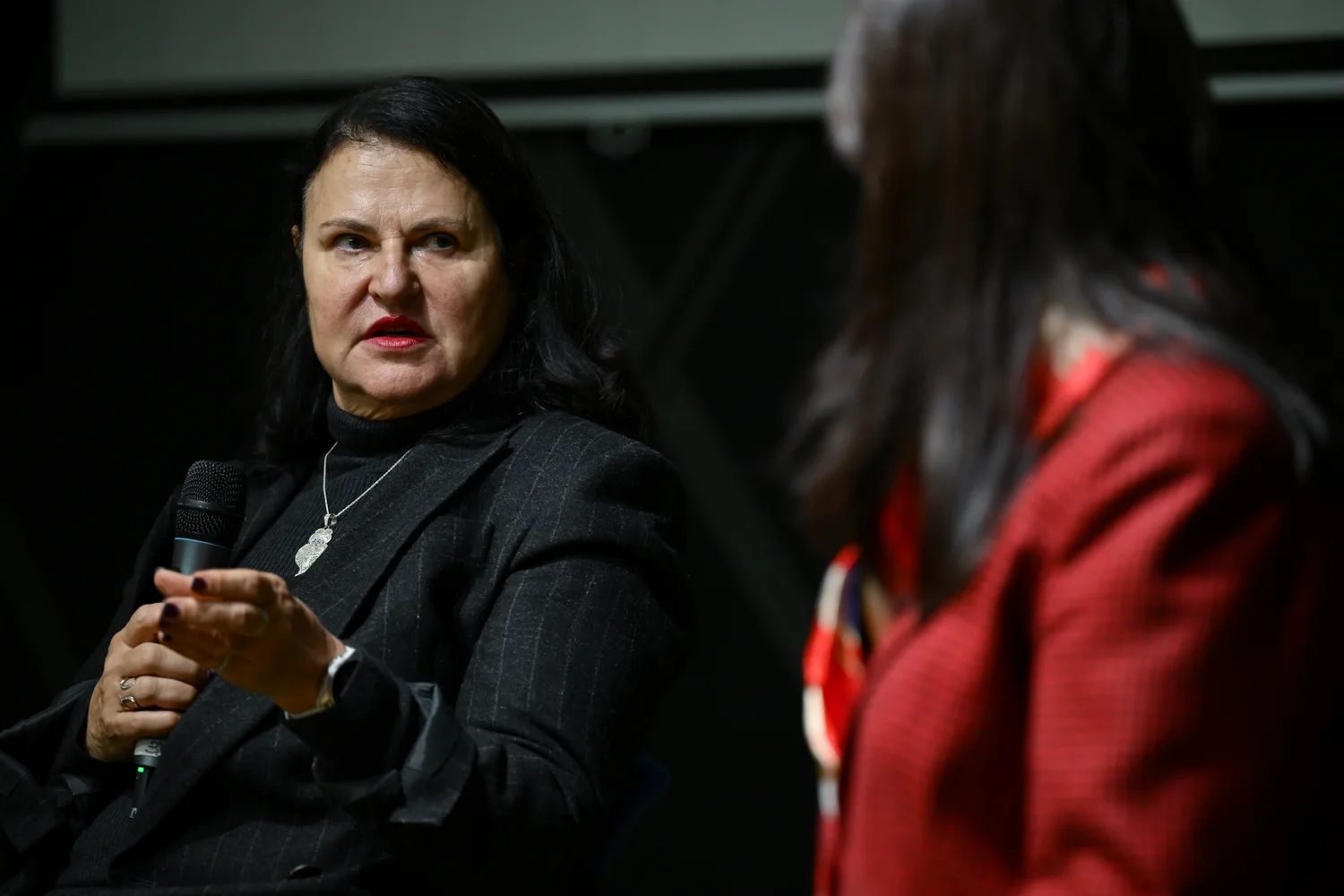
EU Ambassador Katarína Mathernová stated that the bloc will not prioritize the confiscation of frozen Russian assets due to ongoing budget negotiations and internal divisions.
 🚢Sanctions & Trade
Photo: Euromaidan Press
Key points
- EU rules out immediate seizure of frozen Russian assets
- Budget negotiations take precedence over asset confiscation
- Internal divisions persist regarding legal risks to financial systems
The European Union will not move to seize frozen Russian assets in the near term, according to EU Ambassador to Ukraine Katarína Mathernová. Speaking at a conference in Kyiv on November 18, Mathernová indicated that the issue remains too contentious among member states to be addressed while the bloc is preoccupied with finalizing its next seven-year Multiannual Financial Framework.
The decision to sideline the potential seizure of roughly €210 billion in immobilized Russian central bank assets comes as Ukraine faces a significant €70 billion budget shortfall for 2027. While the European Commission has proposed a new €45 billion loan package to help bridge this gap, the plan requires unanimous approval from all 27 member states. Mathernová warned that introducing the highly debated topic of asset confiscation into these delicate budget talks would likely derail the entire process.
Internal disagreement remains a primary obstacle, with countries like Belgium expressing caution regarding the legal and financial implications of moving assets held by the Euroclear depository. Although some member states have pushed for more aggressive action, the EU has opted for a strategy of joint borrowing to provide financial support to Ukraine, avoiding the risks associated with direct asset expropriation for the time being.
The stakes
The decision preserves the status quo for the Euroclear financial system, protecting its reputation among international investors at the cost of immediate, large-scale funding for Ukraine. If the EU continues to avoid confiscation, Ukraine will remain dependent on complex joint-borrowing schemes and external aid, while Russia retains formal ownership of the immobilized funds, pending a future political or legal resolution.
Two readings
- Supporters of the current policy argue that maintaining the integrity of the European financial system is paramount and that illegal asset seizure could trigger retaliatory instability.
- Critics argue that the EU is prioritizing bureaucratic caution over the urgent need to hold Russia financially accountable for the ongoing war, effectively leaving potential reconstruction funds untouched.
Source Euromaidan Press — euromaidanpress.com/2026/11/21/eu-ambassador-says-russias-frozen-assets… ↗
Read next
 ✒️Opinion & Analysis
ICJ Rules Myanmar Military Committed Genocide Against Rohingya
The International Court of Justice has found Myanmar's military guilty of genocide against the Rohingya, a ruling that damages the international standing of both Aung San…
 🕯️Democracy & Rights
Chinese teachers face rising parental pressure over personal life choices
Chinese educators are encountering a surge in unreasonable demands from parents, including complaints regarding teachers' pregnancy and maternity leave.
 🛡️War & Security
Ukraine Restricts Media Coverage of Infrastructure Damage Amid Russian Strikes
President Volodymyr Zelenskyy has issued a decree prohibiting media outlets from reporting on the impact of Russian strikes against critical infrastructure and the status…
 🏮China & Taiwan
Beijing Reaffirms Reunification Stance Following Taiwan Local Election Results
China’s Taiwan Affairs Office declared that the island’s reunification with the mainland remains inevitable, despite recent shifts in Taiwan's local political landscape.
 🇪🇺Europe
US Air Force Repels Unauthorized Drone Incursion at RAF Lakenheath
U.S. security forces at a British air base successfully countered a group of unidentified drones, amid growing concerns over potential foreign state involvement.
 ⚖️Law & Policy
India Government Proposes 50% Increase in Parliamentary Seats and Women's Reservation
The Indian government plans to introduce legislation to expand the Lok Sabha to 850 seats and mandate a 33% reservation for women in legislative bodies.