Singapore Seeks Commercial Growth to Solidify Status as Global Biomedical Hub
Singapore is leveraging its established pharmaceutical infrastructure to pivot toward commercial drug development as regional competition for investment intensifies.
 🚢Sanctions & Trade
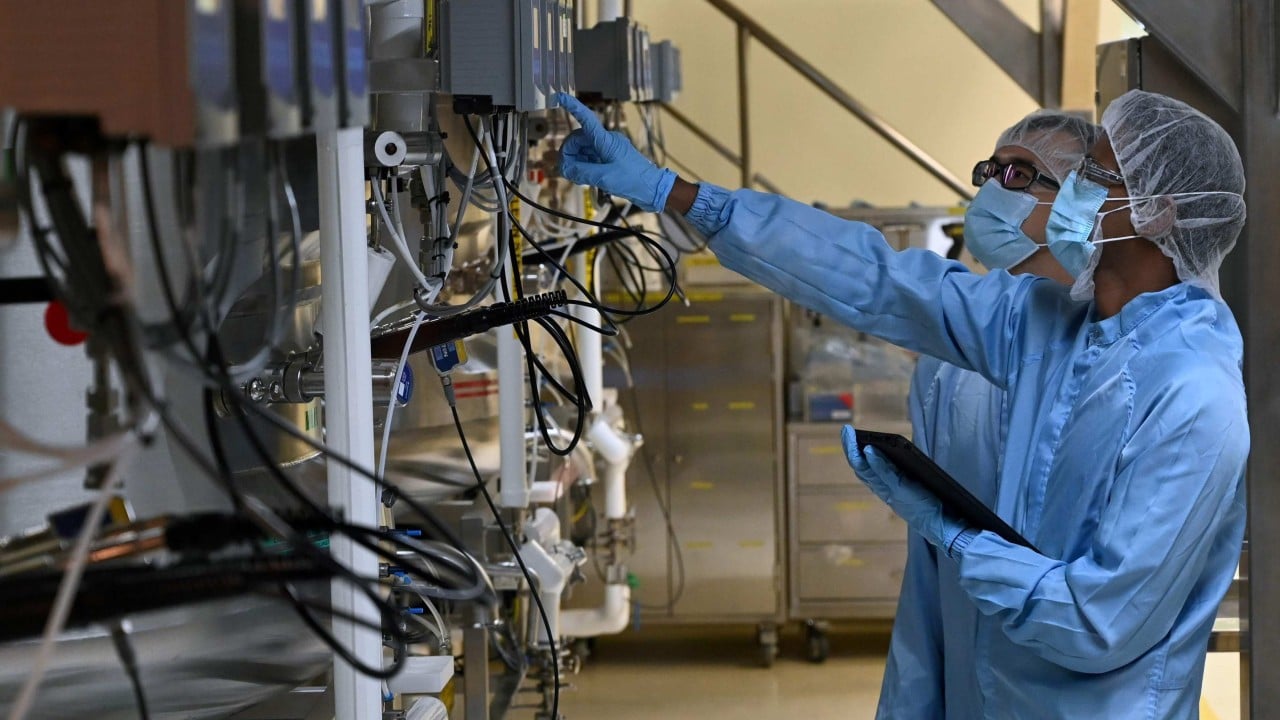
Photo: SCMP Asia
Key points
- Singapore hosts 8 of the top 10 global pharmaceutical firms.
- The nation is pivoting from manufacturing to commercial drug development.
- Limited domestic market size remains a primary challenge for scaling.
Singapore has successfully positioned itself as a premier biomedical center in Southeast Asia, currently hosting eight of the world’s ten largest pharmaceutical manufacturers. Despite this robust industrial foundation, government planners and industry experts are now emphasizing the need to transition from a manufacturing base to a hub for commercial drug discovery and successful market output.
The city-state faces increasing pressure to differentiate itself from regional neighbors vying for the same high-tech investments. While the presence of global giants like Bayer underscores Singapore’s appeal, the nation’s limited domestic market remains a structural hurdle for scaling new pharmaceutical products. Analysts suggest that future growth depends on integrating scientific research capabilities more effectively with commercialization strategies to ensure that local innovations reach global markets.
To maintain its competitive edge, the government is expected to continue incentivizing partnerships that bridge the gap between academic research and clinical application. By focusing on high-value commercial wins, Singapore aims to secure its role as an indispensable link in the global pharmaceutical supply chain rather than merely a production site.
The stakes
If Singapore succeeds in fostering a self-sustaining commercial drug pipeline, it will secure long-term economic resilience and influence in global health policy. Failure to overcome market size limitations, however, could lead to a stagnation of investment as neighboring nations offer more attractive manufacturing incentives and larger consumer bases.
Two readings
- Supporters view this shift as a logical evolution of Singapore's industrial policy, arguing that moving up the value chain is essential to maintaining its status as a sophisticated global hub.
- Critics caution that the high costs of research and development, combined with a lack of a local patient population for large-scale clinical trials, may make the transition to commercial success difficult to achieve.
Source SCMP Asia — scmp.com/week-asia/health-environment/article/3375240/singapore-hos… ↗
Read next
 ✒️Opinion & Analysis
ICJ Rules Myanmar Military Committed Genocide Against Rohingya
The International Court of Justice has found Myanmar's military guilty of genocide against the Rohingya, a ruling that damages the international standing of both Aung San…
 🕯️Democracy & Rights
Chinese teachers face rising parental pressure over personal life choices
Chinese educators are encountering a surge in unreasonable demands from parents, including complaints regarding teachers' pregnancy and maternity leave.
 🛡️War & Security
Ukraine Restricts Media Coverage of Infrastructure Damage Amid Russian Strikes
President Volodymyr Zelenskyy has issued a decree prohibiting media outlets from reporting on the impact of Russian strikes against critical infrastructure and the status…
 🏮China & Taiwan
Beijing Reaffirms Reunification Stance Following Taiwan Local Election Results
China’s Taiwan Affairs Office declared that the island’s reunification with the mainland remains inevitable, despite recent shifts in Taiwan's local political landscape.
 🇪🇺Europe
US Air Force Repels Unauthorized Drone Incursion at RAF Lakenheath
U.S. security forces at a British air base successfully countered a group of unidentified drones, amid growing concerns over potential foreign state involvement.
 ⚖️Law & Policy
India Government Proposes 50% Increase in Parliamentary Seats and Women's Reservation
The Indian government plans to introduce legislation to expand the Lok Sabha to 850 seats and mandate a 33% reservation for women in legislative bodies.