Donald Trump Immigration Policies Drive Sharp Decline in International Student Enrollment
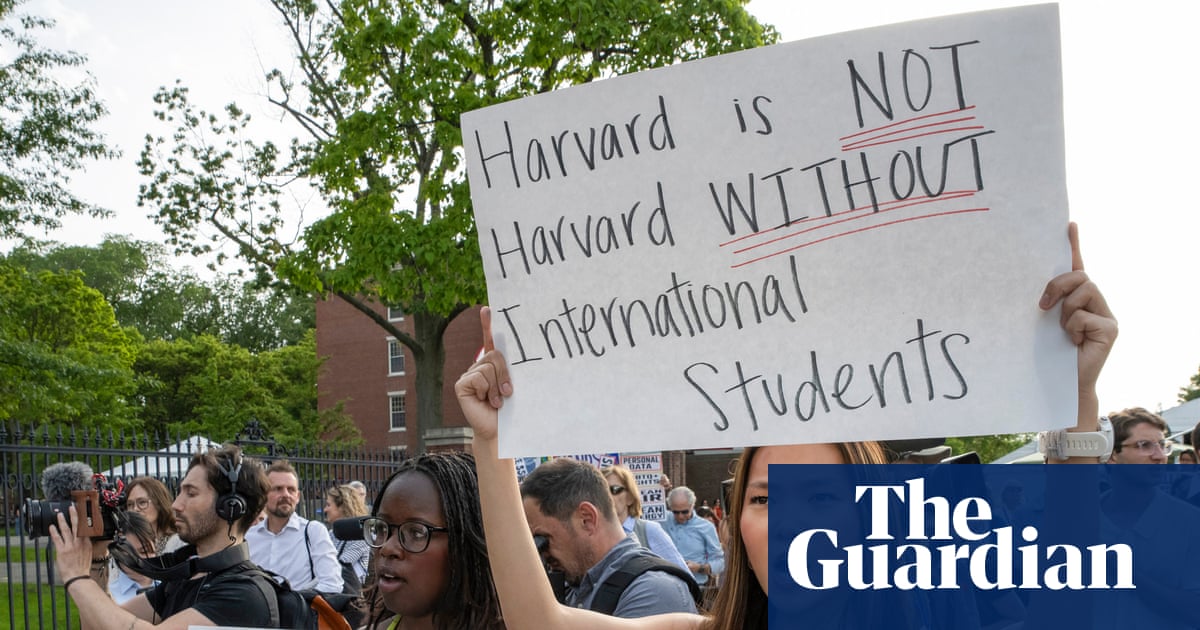
Higher education institutions across the United States face significant enrollment drops among foreign students following federal immigration crackdowns and stricter visa rules implemented under Donald Trump's second term.
 🚢Sanctions & Trade
Photo: Guardian Trump
Key points
- First-time international student enrollment dropped 15% in fall 2026 following an 18% decline in 2025.
- New restrictions include suspended visa interview schedules, social media screening, and state-level background checks.
- Institutions report multimillion-dollar tuition losses and severe enrollment drops, such as a 46% decrease at Cleveland State University.
Federal immigration policies and enforcement actions enacted since Donald Trump assumed office in January 2025 have triggered a sharp drop in international student enrollment at American colleges and universities. Data from the Institute of International Education reveals a 15% fall in first-time foreign enrollment for fall 2026, following an 18% decline in fall 2025.
Institutions nationwide report difficulties in attracting global scholars, driven by widespread publicity of Immigration and Customs Enforcement raids and new administrative hurdles. At Indiana University Bloomington, international enrollment fell from 4,428 in fall 2025 to 3,768, while Cleveland State University recorded a 46% drop over the same period. University administrators point to suspended visa interview schedules, mandatory social media screening, and state-level legislation requiring background checks for students from specific nations as primary deterrents for prospective scholars.
The downturn threatens campus budgets that rely heavily on tuition revenue while impacting local economies in college towns. Legal and academic advocates warn that the restrictive climate risks dismantling the academic diversity and global standing that have long defined American higher education.
The stakes
Universities face mounting financial deficits and diminished cultural exchange, while the broader US economy loses critical tuition revenue and skilled labor pipelines. If these trends persist, American higher education risks losing its premier global status to competitor nations offering more welcoming immigration frameworks.
Two readings
- Supporters argue that rigorous vetting and enhanced background checks are essential for national security and protecting domestic borders against potential foreign threats.
- Critics contend that xenophobic enforcement optics and bureaucratic hurdles are needlessly dismantling an invaluable academic ecosystem and economically vital revenue stream.
Source Guardian Trump — theguardian.com/education/2026/nov/22/trump-immigration-crackdown-i… ↗
Read next
 ✒️Opinion & Analysis
ICJ Rules Myanmar Military Committed Genocide Against Rohingya
The International Court of Justice has found Myanmar's military guilty of genocide against the Rohingya, a ruling that damages the international standing of both Aung San…
 🕯️Democracy & Rights
Chinese teachers face rising parental pressure over personal life choices
Chinese educators are encountering a surge in unreasonable demands from parents, including complaints regarding teachers' pregnancy and maternity leave.
 🛡️War & Security
Ukraine Restricts Media Coverage of Infrastructure Damage Amid Russian Strikes
President Volodymyr Zelenskyy has issued a decree prohibiting media outlets from reporting on the impact of Russian strikes against critical infrastructure and the status…
 🏮China & Taiwan
Beijing Reaffirms Reunification Stance Following Taiwan Local Election Results
China’s Taiwan Affairs Office declared that the island’s reunification with the mainland remains inevitable, despite recent shifts in Taiwan's local political landscape.
 🇪🇺Europe
US Air Force Repels Unauthorized Drone Incursion at RAF Lakenheath
U.S. security forces at a British air base successfully countered a group of unidentified drones, amid growing concerns over potential foreign state involvement.
 ⚖️Law & Policy
India Government Proposes 50% Increase in Parliamentary Seats and Women's Reservation
The Indian government plans to introduce legislation to expand the Lok Sabha to 850 seats and mandate a 33% reservation for women in legislative bodies.