Argentina's CGT Unions Plan Protest Against Milei Government Over Health Funds
Argentina's main labor confederation will march on the state health regulator on November 26, 2026, to demand urgent financial relief for struggling union-run health funds, stopping short of an immediate general strike.
 🚢Sanctions & Trade
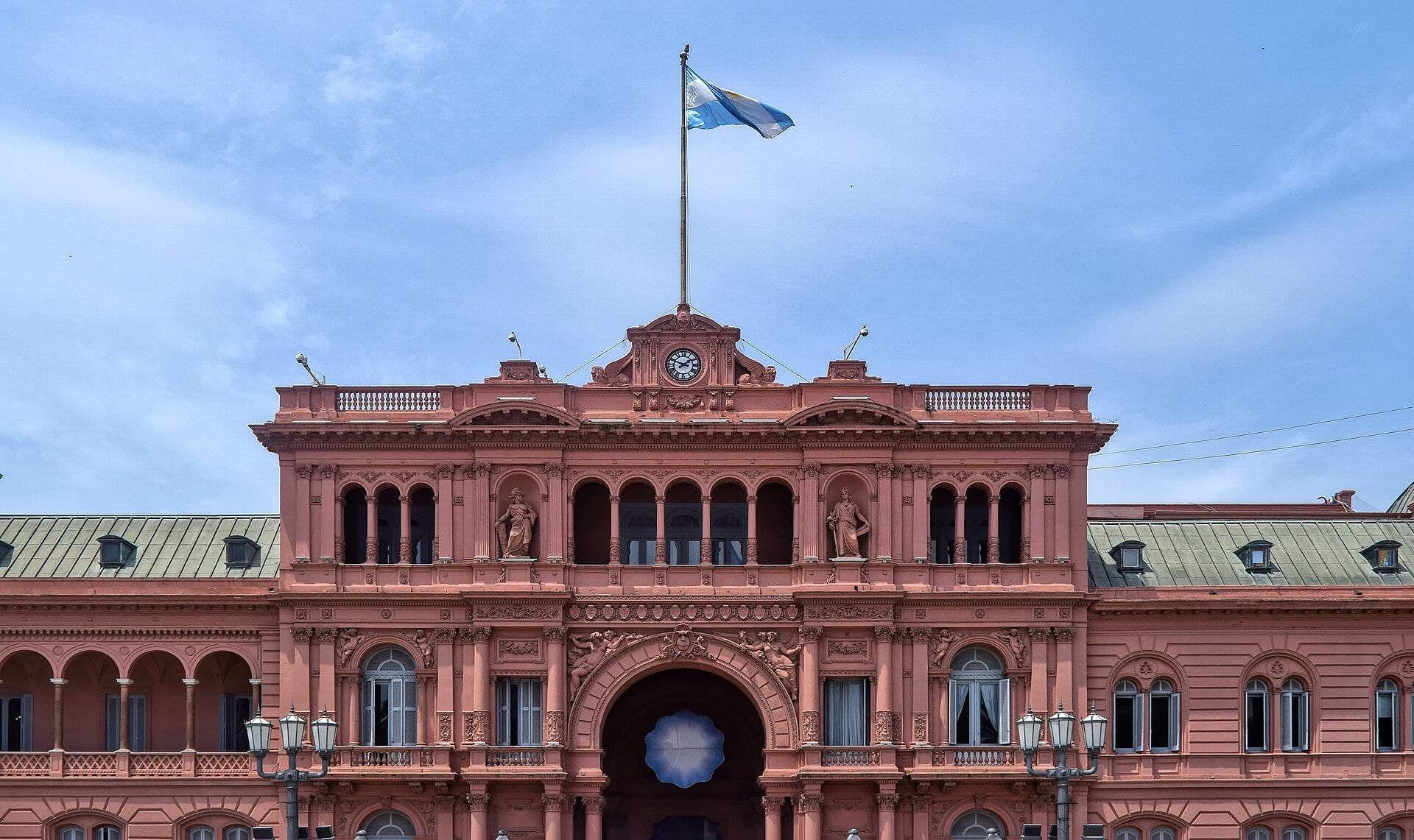
Photo: Rio Times
Key points
- CGT unions to march on health regulator on November 26, 2026
- Unions accuse Economy Minister of withholding 688 billion pesos
- Leadership plans short December work stoppages instead of general strike
The General Confederation of Labour (CGT) announced it will march on the Superintendencia de Servicios de Salud in central Buenos Aires on Thursday, November 26, 2026, to press President Javier Milei's administration over what union experts describe as an almost terminal financial crisis within union-run health insurance funds. Rather than calling a fifth general strike since President Milei took office in December 2023, the leadership is instead preparing short work stoppages of two to four hours for the first half of December.
Union representatives state that approximately 90% of the Fondo Solidario de Redistribución—a solidarity fund that reimburses the healthcare system—is currently consumed by disability benefits, leaving insufficient resources to cover high-cost treatments and medications. Furthermore, roughly 50 unions plan to file a legal complaint against Economy Minister Luis Caputo, alleging that the administration is withholding approximately 688 billion pesos destined for the health system. Previous confidential meetings between union leaders and Health Minister Mario Lugones have reportedly yielded no official response to their proposals.
Internal divisions persist within the labor movement regarding the best approach to counter government policies. While moderate leaders favor targeted marches and brief assemblies to avoid forcing workers to lose a day’s pay, more combative figures such as trucking-union leader Pablo Moyano have advocated for a 24-hour general strike, and leader Luis Barrionuevo has pushed for a 36-hour protest with mobilization.
The stakes
Union leadership risks losing control of its rank-and-file if targeted protests fail to secure concessions, while the Milei administration faces mounting social pressure over healthcare infrastructure without a full nationwide paralysis of the economy.
Two readings
- Supporters view the targeted marches and rolling stoppages as a pragmatic strategy that maintains pressure on the government while protecting workers from losing daily wages.
- Critics argue that piecemeal protests lack the leverage needed to force policy changes from an administration they accuse of ignoring labor demands.
Source Rio Times — riotimesonline.com/argentina-unions-march-health-regulator-cgt/ ↗
Read next
 ✒️Opinion & Analysis
ICJ Rules Myanmar Military Committed Genocide Against Rohingya
The International Court of Justice has found Myanmar's military guilty of genocide against the Rohingya, a ruling that damages the international standing of both Aung San…
 🕯️Democracy & Rights
Chinese teachers face rising parental pressure over personal life choices
Chinese educators are encountering a surge in unreasonable demands from parents, including complaints regarding teachers' pregnancy and maternity leave.
 🛡️War & Security
Ukraine Restricts Media Coverage of Infrastructure Damage Amid Russian Strikes
President Volodymyr Zelenskyy has issued a decree prohibiting media outlets from reporting on the impact of Russian strikes against critical infrastructure and the status…
 🏮China & Taiwan
Beijing Reaffirms Reunification Stance Following Taiwan Local Election Results
China’s Taiwan Affairs Office declared that the island’s reunification with the mainland remains inevitable, despite recent shifts in Taiwan's local political landscape.
 🇪🇺Europe
US Air Force Repels Unauthorized Drone Incursion at RAF Lakenheath
U.S. security forces at a British air base successfully countered a group of unidentified drones, amid growing concerns over potential foreign state involvement.
 ⚖️Law & Policy
India Government Proposes 50% Increase in Parliamentary Seats and Women's Reservation
The Indian government plans to introduce legislation to expand the Lok Sabha to 850 seats and mandate a 33% reservation for women in legislative bodies.