Global Partners Criticize Proposed US Tariffs on Alleged Overcapacity
Major economies, including China and EU members, have condemned new US tariff proposals targeting alleged industrial overcapacity. The levies, reaching up to 20 percent, face significant international pushback ahead of a January implementation window.
 🚢Sanctions & Trade
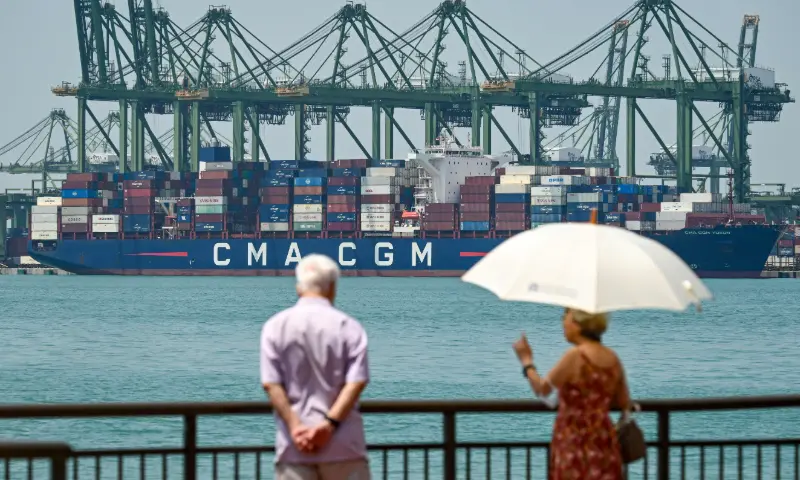
Photo: Dawn
Key points
- Proposed US tariffs of up to 20 percent target multiple major economies.
- China, the EU, and Japan have rejected the US justification of industrial overcapacity.
- The measures are slated for a public comment period before a potential January rollout.
Washington has unveiled a series of proposed tariffs reaching up to 20 percent on imports from several major trading partners, citing concerns over industrial overcapacity. The move follows a government investigation into production practices and impacts a wide range of nations, including China, the European Union, Japan, India, and several Southeast Asian countries.
US Trade Representative Jamieson Greer stated that the levies align with ongoing trade negotiations, noting that Washington intends to grant exemptions on approximately $30 billion worth of Chinese goods. However, the proposal has drawn sharp criticism from abroad. China’s commerce ministry dismissed the overcapacity justification as a “pretext for protectionism,” while Japanese officials expressed regret over being targeted, asserting that their domestic industries do not engage in non-market practices.
The European Union also rejected the premise of the tariffs, emphasizing that it expects the United States to honor existing trade agreements. Meanwhile, nations such as Singapore and Vietnam have voiced strong disappointment, denying allegations that they subsidize manufacturing to flood international markets. The proposed duties are currently entering a public comment period, with officials aiming for an implementation date no earlier than January.
The stakes
If enacted, these tariffs could trigger a significant escalation in global trade tensions, potentially leading to retaliatory measures from major exporters. While the US government aims to protect domestic manufacturing from foreign competition, the policy risks straining diplomatic ties with key allies and complicating existing trade frameworks, ultimately increasing costs for consumers and businesses reliant on global supply chains.
Two readings
- Supporters view the tariffs as a necessary tool to combat state-driven industrial overcapacity and protect the integrity of the domestic US market.
- Critics argue the measures are protectionist, lack factual basis regarding structural overcapacity in their respective countries, and violate established international trade agreements.
Source Dawn — dawn.com/news/2047209/major-economies-balk-at-new-us-tariffs-over-u… ↗
Read next
 ✒️Opinion & Analysis
ICJ Rules Myanmar Military Committed Genocide Against Rohingya
The International Court of Justice has found Myanmar's military guilty of genocide against the Rohingya, a ruling that damages the international standing of both Aung San…
 🕯️Democracy & Rights
Chinese teachers face rising parental pressure over personal life choices
Chinese educators are encountering a surge in unreasonable demands from parents, including complaints regarding teachers' pregnancy and maternity leave.
 🛡️War & Security
Ukraine Restricts Media Coverage of Infrastructure Damage Amid Russian Strikes
President Volodymyr Zelenskyy has issued a decree prohibiting media outlets from reporting on the impact of Russian strikes against critical infrastructure and the status…
 🏮China & Taiwan
Beijing Reaffirms Reunification Stance Following Taiwan Local Election Results
China’s Taiwan Affairs Office declared that the island’s reunification with the mainland remains inevitable, despite recent shifts in Taiwan's local political landscape.
 🇪🇺Europe
US Air Force Repels Unauthorized Drone Incursion at RAF Lakenheath
U.S. security forces at a British air base successfully countered a group of unidentified drones, amid growing concerns over potential foreign state involvement.
 ⚖️Law & Policy
India Government Proposes 50% Increase in Parliamentary Seats and Women's Reservation
The Indian government plans to introduce legislation to expand the Lok Sabha to 850 seats and mandate a 33% reservation for women in legislative bodies.