Australian Parliament Passes Domestic Gas Reservation Scheme
The Australian government has passed legislation requiring gas producers to reserve a portion of their supply for the domestic market to help lower energy costs.
 🚢Sanctions & Trade
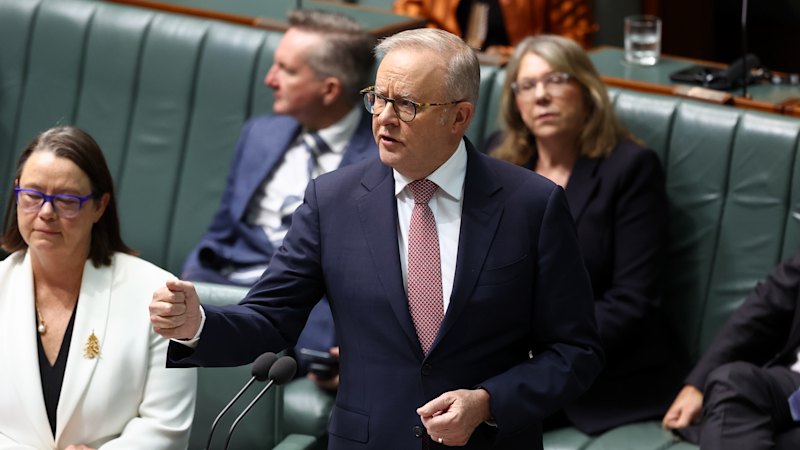
Photo: SMH Politics
Key points
- Legislation mandates 20 percent domestic gas reservation.
- Government refuses to set a specific target price for consumers.
- Opposition warns of potential long-term damage to sector investment.
The Australian House of Representatives has passed legislation establishing a domestic gas reservation scheme, mandating that major gas companies reserve up to 20 percent of their supply for local use. The bill, which cleared the Senate on Thursday, aims to increase the availability of gas for Australian households and manufacturers, theoretically creating downward pressure on energy prices.
Resources Minister Madeleine King declined to establish a specific target price for gas, arguing that setting a fixed cap could inadvertently create a price floor. The government maintains that the policy is essential for ensuring that domestic users benefit from the nation's natural resources and are better protected against international market volatility.
The opposition Coalition, while supporting the measure in principle, expressed skepticism regarding its long-term impact on the energy sector. Opposition energy spokesman Dan Tehan warned that the policy could discourage future investment in gas exploration, potentially harming the nation's economy and its reputation as a reliable international trading partner. Prime Minister Anthony Albanese defended the move, asserting that the government is prioritizing the needs of citizens and local industry over the profits of large producers.
The stakes
The success of this legislation hinges on whether it can effectively lower utility bills without stifling the gas industry's ability to invest in future production. Households and manufacturers stand to gain if supply increases lead to lower costs, while the government faces political risk if energy prices fail to stabilize or if the sector's long-term viability is compromised by the new regulations.
Two readings
- Supporters view the scheme as a necessary intervention to ensure that domestic users have priority access to Australian resources at reasonable prices.
- Critics argue the policy risks long-term economic damage by creating uncertainty that may deter essential investment in the nation's gas sector.
Source SMH Politics — smh.com.au/politics/federal/labor-refuses-to-say-how-much-bills-wil… ↗
Read next
 ✒️Opinion & Analysis
ICJ Rules Myanmar Military Committed Genocide Against Rohingya
The International Court of Justice has found Myanmar's military guilty of genocide against the Rohingya, a ruling that damages the international standing of both Aung San…
 🕯️Democracy & Rights
Chinese teachers face rising parental pressure over personal life choices
Chinese educators are encountering a surge in unreasonable demands from parents, including complaints regarding teachers' pregnancy and maternity leave.
 🛡️War & Security
Ukraine Restricts Media Coverage of Infrastructure Damage Amid Russian Strikes
President Volodymyr Zelenskyy has issued a decree prohibiting media outlets from reporting on the impact of Russian strikes against critical infrastructure and the status…
 🏮China & Taiwan
Beijing Reaffirms Reunification Stance Following Taiwan Local Election Results
China’s Taiwan Affairs Office declared that the island’s reunification with the mainland remains inevitable, despite recent shifts in Taiwan's local political landscape.
 🇪🇺Europe
US Air Force Repels Unauthorized Drone Incursion at RAF Lakenheath
U.S. security forces at a British air base successfully countered a group of unidentified drones, amid growing concerns over potential foreign state involvement.
 ⚖️Law & Policy
India Government Proposes 50% Increase in Parliamentary Seats and Women's Reservation
The Indian government plans to introduce legislation to expand the Lok Sabha to 850 seats and mandate a 33% reservation for women in legislative bodies.