EU Budget Negotiations Stall Amid Deep Divisions Over Spending and Ukraine Aid
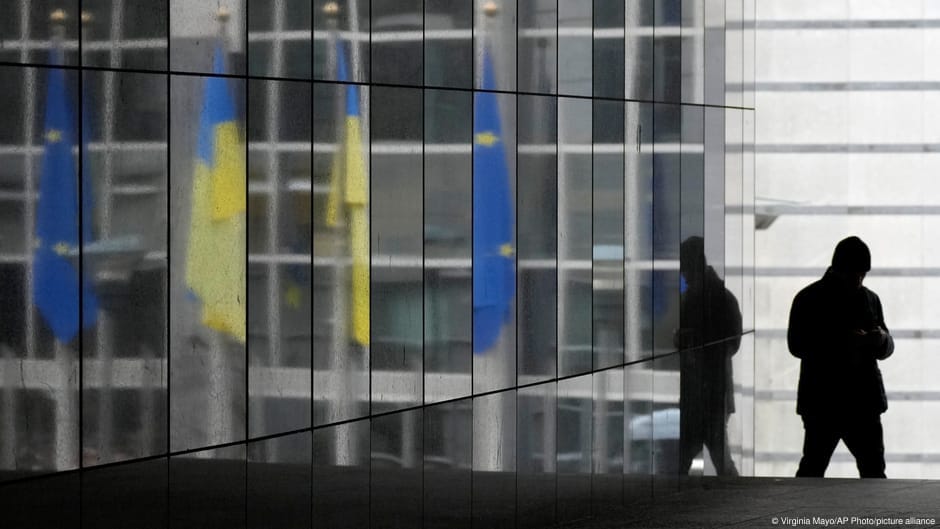
European Union leaders failed to reach an agreement on the 2028-2034 multiannual budget following a contentious summit in Brussels, as member states clashed over spending priorities and support for Ukraine.
 🚢Sanctions & Trade
Photo: DW English
Key points
- Talks for the 2028-2034 EU budget collapsed due to deep divisions over spending levels.
- Germany's demand to link the budget to a €45 billion Ukraine aid package faces significant resistance.
- Proposed digital taxes and shifts toward defense spending have created a divide between the 'Sensible Seven' and 'Friends of Cohesion' groups.
European Union leaders concluded a summit in Brussels without a budget deal after talks collapsed amid intense disagreements between member states. The negotiations, which focused on the bloc's seven-year financial framework for 2028-2034, ended prematurely as leaders failed to bridge the gap between those advocating for fiscal restraint and those pushing for increased investment.
A significant point of contention involves a German-led demand to link the budget approval to a €45 billion support package for Ukraine. While Germany, the EU's largest contributor, insists on this condition, a group of nations including Hungary, Slovakia, Bulgaria, and Czechia has rejected the proposal, with Slovak Prime Minister Robert Fico characterizing the move as blackmail. Simultaneously, a coalition known as the "Sensible Seven" is pushing for deeper spending cuts, directly opposing the "Friends of Cohesion" bloc, which seeks to protect regional development funds.
The current proposal suggests a major rebalancing, shifting resources away from traditional agriculture and cohesion funds toward defense and economic competitiveness. Furthermore, the introduction of a proposed 3% EU-wide digital tax on tech giants has drawn sharp criticism from Ireland, which fears the measure could damage its economic interests and complicate relations with the United States.
The stakes
Failure to reach a consensus threatens to delay critical funding for defense and economic initiatives, potentially weakening the EU's collective leverage. If the deadlock continues, the bloc faces a protracted period of fiscal uncertainty, leaving the "Sensible Seven" to fight for austerity while recipient nations risk losing essential development capital.
Two readings
- Supporters of the budget cuts argue that fiscal discipline and a shift toward security-focused spending are necessary to ensure the EU remains competitive and financially sustainable.
- Critics contend that the proposed cuts to cohesion and agricultural funds undermine the bloc's internal solidarity and that linking the budget to military aid for Ukraine is counterproductive.
Source DW English — dw.com/en/divisions-deepen-between-eu-member-states-after-tense-bud… ↗
Read next
 ✒️Opinion & Analysis
ICJ Rules Myanmar Military Committed Genocide Against Rohingya
The International Court of Justice has found Myanmar's military guilty of genocide against the Rohingya, a ruling that damages the international standing of both Aung San…
 🕯️Democracy & Rights
Chinese teachers face rising parental pressure over personal life choices
Chinese educators are encountering a surge in unreasonable demands from parents, including complaints regarding teachers' pregnancy and maternity leave.
 🛡️War & Security
Ukraine Restricts Media Coverage of Infrastructure Damage Amid Russian Strikes
President Volodymyr Zelenskyy has issued a decree prohibiting media outlets from reporting on the impact of Russian strikes against critical infrastructure and the status…
 🏮China & Taiwan
Beijing Reaffirms Reunification Stance Following Taiwan Local Election Results
China’s Taiwan Affairs Office declared that the island’s reunification with the mainland remains inevitable, despite recent shifts in Taiwan's local political landscape.
 🇪🇺Europe
US Air Force Repels Unauthorized Drone Incursion at RAF Lakenheath
U.S. security forces at a British air base successfully countered a group of unidentified drones, amid growing concerns over potential foreign state involvement.
 ⚖️Law & Policy
India Government Proposes 50% Increase in Parliamentary Seats and Women's Reservation
The Indian government plans to introduce legislation to expand the Lok Sabha to 850 seats and mandate a 33% reservation for women in legislative bodies.