Polish President Nawrocki Vetoes Government Tax Reform Bill
President Karol Nawrocki has blocked a major tax reform package, citing concerns over corporate competitiveness and the limited scope of benefits for taxpayers.
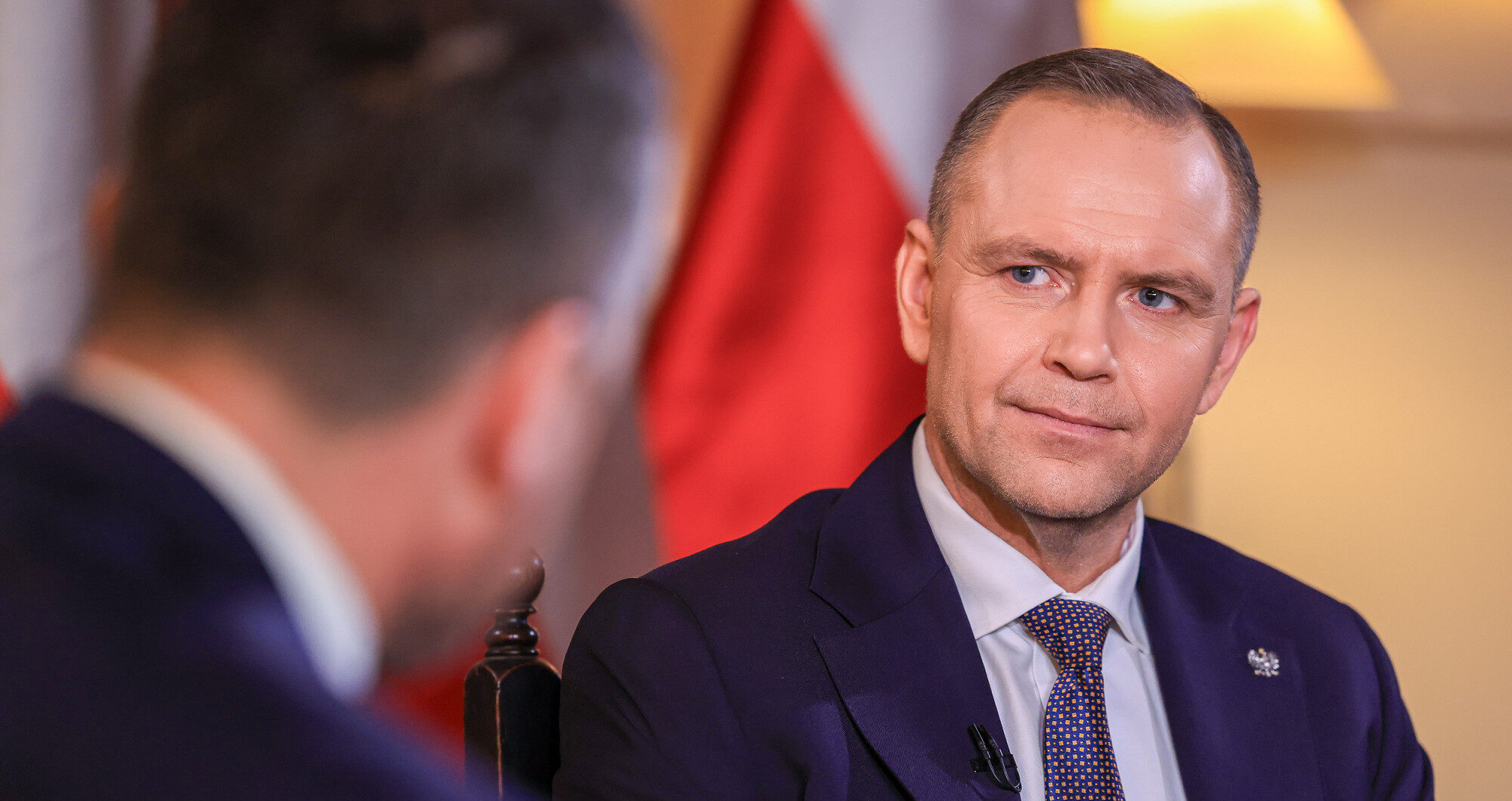 🚢Sanctions & Trade
Photo: Notes from Poland
Key points
- President Nawrocki vetoed tax reforms aimed at adjusting income brackets and raising corporate taxes.
- The government argued the bill would benefit 3.5 million workers, while the President claimed it was insufficient and harmful to local firms.
- The rejection exacerbates political tensions and creates uncertainty for the 2027 national budget.
Polish President Karol Nawrocki has officially vetoed a government-backed tax reform bill intended to restructure income tax brackets and increase levies on large corporations. The legislation, which was slated to take effect in 2027, aimed to shift the tax burden by raising the threshold for the lowest income bracket while increasing corporate income tax from 19% to 22% for firms with annual revenues exceeding €50 million.
Nawrocki, who maintains ties to the right-wing opposition, argued that the proposal would provide relief to only a small fraction of the workforce. He further criticized the government for failing to fulfill a prior campaign pledge to double the tax-free income allowance to 60,000 zloty. Additionally, the President warned that the proposed corporate tax hikes would harm domestic firms, suggesting that international companies might simply relocate profits to avoid the higher rates.
The government has strongly condemned the veto, with Finance Minister Andrzej Domański accusing the President of prioritizing the interests of large corporations over those of average citizens. The rejected bill also included plans to increase the “solidarity levy” on high earners and tighten eligibility for simplified lump-sum tax schemes used by various professionals.
The stakes
The veto creates a significant fiscal impasse ahead of the 2027 election year, leaving the government’s budget strategy in limbo. If the reform remains blocked, the government will lose its primary mechanism for funding middle-class tax relief, potentially alienating voters; conversely, the President’s action protects domestic businesses from immediate tax hikes but risks deepening the ongoing institutional friction between the executive and the legislature.
Two readings
- Supporters of the veto argue that the bill was a divisive, populist measure that ignored broader tax-free allowance promises while threatening the stability of Polish businesses.
- Critics of the veto contend that the President is obstructing a necessary redistribution of wealth and siding with large corporations at the expense of millions of working-class Poles.
Source Notes from Poland — notesfrompoland.com/2026/11/27/president-vetoes-polish-governments-midd… ↗
Read next
 ✒️Opinion & Analysis
ICJ Rules Myanmar Military Committed Genocide Against Rohingya
The International Court of Justice has found Myanmar's military guilty of genocide against the Rohingya, a ruling that damages the international standing of both Aung San…
 🕯️Democracy & Rights
Chinese teachers face rising parental pressure over personal life choices
Chinese educators are encountering a surge in unreasonable demands from parents, including complaints regarding teachers' pregnancy and maternity leave.
 🛡️War & Security
Ukraine Restricts Media Coverage of Infrastructure Damage Amid Russian Strikes
President Volodymyr Zelenskyy has issued a decree prohibiting media outlets from reporting on the impact of Russian strikes against critical infrastructure and the status…
 🏮China & Taiwan
Beijing Reaffirms Reunification Stance Following Taiwan Local Election Results
China’s Taiwan Affairs Office declared that the island’s reunification with the mainland remains inevitable, despite recent shifts in Taiwan's local political landscape.
 🇪🇺Europe
US Air Force Repels Unauthorized Drone Incursion at RAF Lakenheath
U.S. security forces at a British air base successfully countered a group of unidentified drones, amid growing concerns over potential foreign state involvement.
 ⚖️Law & Policy
India Government Proposes 50% Increase in Parliamentary Seats and Women's Reservation
The Indian government plans to introduce legislation to expand the Lok Sabha to 850 seats and mandate a 33% reservation for women in legislative bodies.