Infineon Predicts AI Data Center Expansion Will Shift Outside the United States
Infineon Technologies expects the global expansion of AI data centers to continue despite rising political opposition in the United States regarding energy and environmental costs.
 🚢Sanctions & Trade
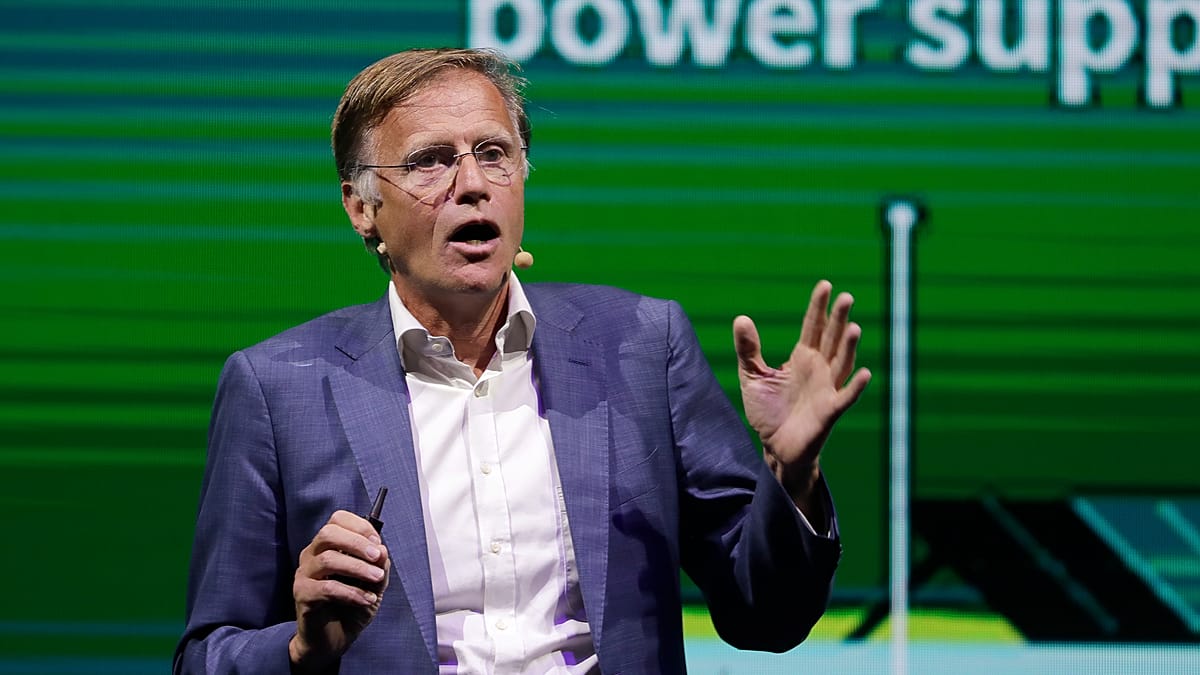
Photo: Euronews
Key points
- Infineon CEO predicts AI infrastructure will move outside the U.S. to avoid domestic backlash.
- Growing environmental and energy concerns in the U.S. are prompting shifts in data center site selection.
- Infineon forecasts 20% sales growth, driven by the demand for power management chips in AI facilities.
German semiconductor manufacturer Infineon Technologies anticipates that the rapid development of AI data centers will persist globally, even as political resistance to these facilities intensifies within the United States. During a recent earnings call, CEO Jochen Hanebeck noted that while domestic opposition—particularly from Democratic officials—is slowing projects in certain American regions, the industry is likely to circumvent these hurdles by relocating to more sparsely populated areas internationally.
Infineon, which specializes in power management chips essential for delivering electricity to high-demand infrastructure, reported a 12% revenue increase for the fiscal year ending in September. The company projects further growth of up to 20% in the coming year, driven largely by the massive energy requirements of AI computing. Hanebeck characterized the current environmental backlash as a largely American-centric phenomenon that will ultimately lead to a more diversified, global distribution of data center infrastructure.
While the firm does not produce the central processing units used for AI, its role in power distribution makes it a bellwether for the industry's physical expansion. Hanebeck emphasized that the tangible value provided by AI technology will continue to override local concerns, encouraging hyperscalers to seek out jurisdictions with fewer regulatory or public objections.
The stakes
If the industry shifts its footprint abroad, countries with lower regulatory barriers and abundant energy resources stand to gain significant infrastructure investment, while local U.S. communities may succeed in curbing domestic environmental impact. However, this transition risks creating a geopolitical divide in AI development, potentially complicating international efforts to standardize the environmental regulation of high-tech infrastructure.
Two readings
- Supporters argue that regional diversification is a logical economic response that ensures the continued global advancement of AI without being stifled by localized political gridlock.
- Critics contend that moving data centers to less regulated regions ignores the underlying environmental and energy-consumption concerns that are driving the current backlash.
Source Euronews — euronews.com/2026/11/10/infineon-says-ai-data-centre-boom-to-persis… ↗
Read next
 ✒️Opinion & Analysis
ICJ Rules Myanmar Military Committed Genocide Against Rohingya
The International Court of Justice has found Myanmar's military guilty of genocide against the Rohingya, a ruling that damages the international standing of both Aung San…
 🕯️Democracy & Rights
Chinese teachers face rising parental pressure over personal life choices
Chinese educators are encountering a surge in unreasonable demands from parents, including complaints regarding teachers' pregnancy and maternity leave.
 🛡️War & Security
Ukraine Restricts Media Coverage of Infrastructure Damage Amid Russian Strikes
President Volodymyr Zelenskyy has issued a decree prohibiting media outlets from reporting on the impact of Russian strikes against critical infrastructure and the status…
 🏮China & Taiwan
Beijing Reaffirms Reunification Stance Following Taiwan Local Election Results
China’s Taiwan Affairs Office declared that the island’s reunification with the mainland remains inevitable, despite recent shifts in Taiwan's local political landscape.
 🇪🇺Europe
US Air Force Repels Unauthorized Drone Incursion at RAF Lakenheath
U.S. security forces at a British air base successfully countered a group of unidentified drones, amid growing concerns over potential foreign state involvement.
 ⚖️Law & Policy
India Government Proposes 50% Increase in Parliamentary Seats and Women's Reservation
The Indian government plans to introduce legislation to expand the Lok Sabha to 850 seats and mandate a 33% reservation for women in legislative bodies.