Pakistan’s Draft Auto Policy 2026-31 Faces Scrutiny Over Public Transit Needs
Pakistan is finalizing a new five-year automotive policy aimed at reducing tariffs and promoting electric vehicles, though critics argue it overlooks the mobility needs of the majority who rely on public transportation.
 🚢Sanctions & Trade
Photo: Dawn
Key points
- Draft Auto Policy 2026-31 awaits final approval from the Ministry of Finance and IMF.
- Proposed measures include lower tariffs and incentives for electric vehicles.
- Critics argue the policy ignores the 41 percent of households that own no vehicle.
The Pakistani government is currently finalizing the draft for the Auto Policy 2026-31, a strategic framework designed to reshape the nation's automotive sector. Prime Minister Shehbaz Sharif has reportedly cleared the draft, which is now slated for review by the Ministry of Finance and the International Monetary Fund. The proposed policy focuses on lowering import tariffs, formalizing routes for commercial used-car imports, and providing incentives for electric vehicles to modernize the industry.
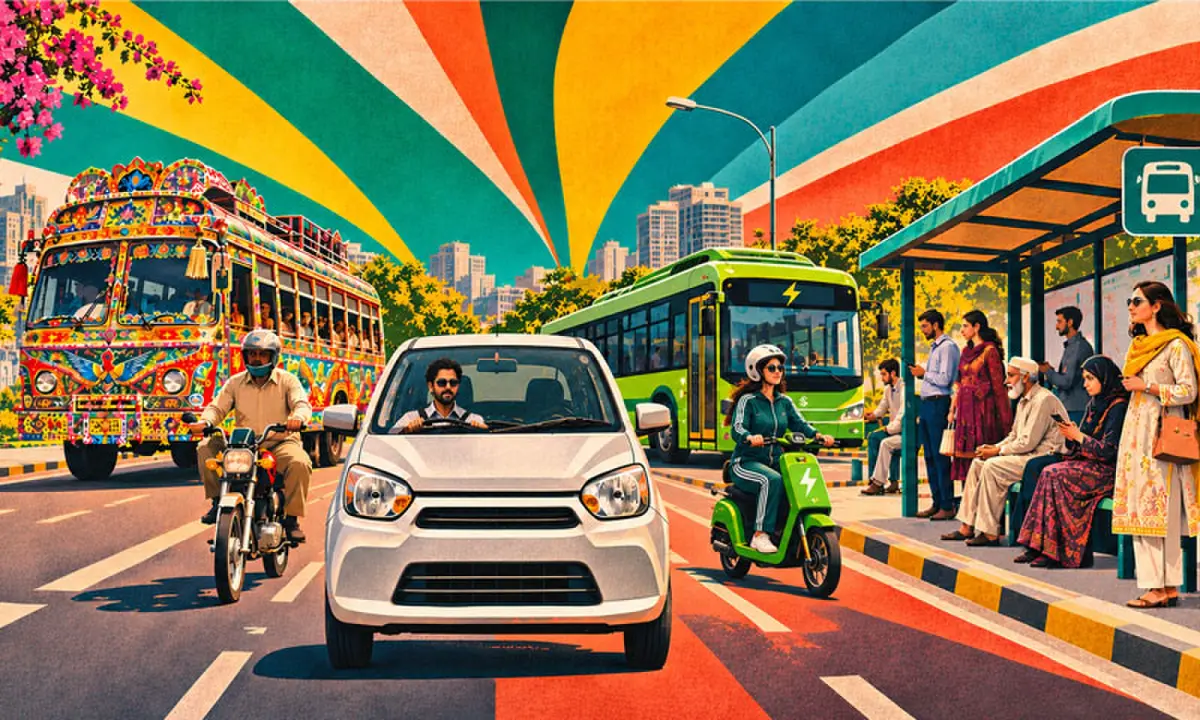
However, the policy has drawn criticism for its heavy emphasis on private car ownership, a luxury accessible to only a small fraction of the population. Data from the 2024-25 Household Integrated Economic Survey indicates that only 6.6 percent of Pakistani households own a car, while roughly 41 percent own no vehicle at all. For the vast majority, daily life is defined by the high cost and unreliability of public transport, which remains a significant barrier to employment and education.
Critics suggest that the government should leverage the upcoming policy to mandate affordable public transit services rather than focusing solely on industrial protectionism. By adjusting tax incentives and duties, the state could potentially lower fleet costs for public buses, directly impacting the daily expenses of millions. As the policy moves toward final approval, the debate centers on whether the government will prioritize the interests of domestic vehicle assemblers or the mobility requirements of the broader public.
The stakes
The finalization of the policy will determine whether Pakistan continues to protect domestic assemblers through high tariffs or shifts toward a more competitive market. If the government prioritizes public transit, low-income households stand to gain improved access to jobs and services, while a focus on private car incentives primarily benefits the wealthiest decile of the population.
Two readings
- Supporters argue that reducing tariffs and incentivizing electric vehicles will foster long-term industrial growth, lower car prices, and modernize the transport sector.
- Critics contend that the policy remains disconnected from the economic reality of most citizens, favoring private vehicle manufacturers over the urgent need for affordable, reliable public transit.
Source Dawn — dawn.com/news/2042743/rethinking-pakistans-auto-policy ↗
Read next
 ✒️Opinion & Analysis
ICJ Rules Myanmar Military Committed Genocide Against Rohingya
The International Court of Justice has found Myanmar's military guilty of genocide against the Rohingya, a ruling that damages the international standing of both Aung San…
 🕯️Democracy & Rights
Chinese teachers face rising parental pressure over personal life choices
Chinese educators are encountering a surge in unreasonable demands from parents, including complaints regarding teachers' pregnancy and maternity leave.
 🛡️War & Security
Ukraine Restricts Media Coverage of Infrastructure Damage Amid Russian Strikes
President Volodymyr Zelenskyy has issued a decree prohibiting media outlets from reporting on the impact of Russian strikes against critical infrastructure and the status…
 🏮China & Taiwan
Beijing Reaffirms Reunification Stance Following Taiwan Local Election Results
China’s Taiwan Affairs Office declared that the island’s reunification with the mainland remains inevitable, despite recent shifts in Taiwan's local political landscape.
 🇪🇺Europe
US Air Force Repels Unauthorized Drone Incursion at RAF Lakenheath
U.S. security forces at a British air base successfully countered a group of unidentified drones, amid growing concerns over potential foreign state involvement.
 ⚖️Law & Policy
India Government Proposes 50% Increase in Parliamentary Seats and Women's Reservation
The Indian government plans to introduce legislation to expand the Lok Sabha to 850 seats and mandate a 33% reservation for women in legislative bodies.