South Africa GDP Rebasing Includes Illegal Mining, Shrinking Debt Ratios
Statistics South Africa has incorporated illegal mining and informal economic activities into its latest GDP rebasing, lowering the projected national debt-to-GDP ratio.
 🚢Sanctions & Trade
Photo: Daily Maverick
Key points
- Statistics South Africa shifted the GDP base year to 2022, raising total economic output by 4.9%
- Inclusion of illegal mining and informal markets drove a 12.5% upward revision in the mining sector
- National Treasury reported the peak debt-to-GDP ratio falling to 74.6% from 78.4%
South Africa's gross domestic product has undergone a twice-a-decade rebasing by Statistics South Africa, shifting the reference year to 2022 and expanding data collection to capture the unobserved economy. The methodological update raised the total size of the economy in 2022 to R6.99-trillion, representing a 4.9% upward revision from previous calculations.
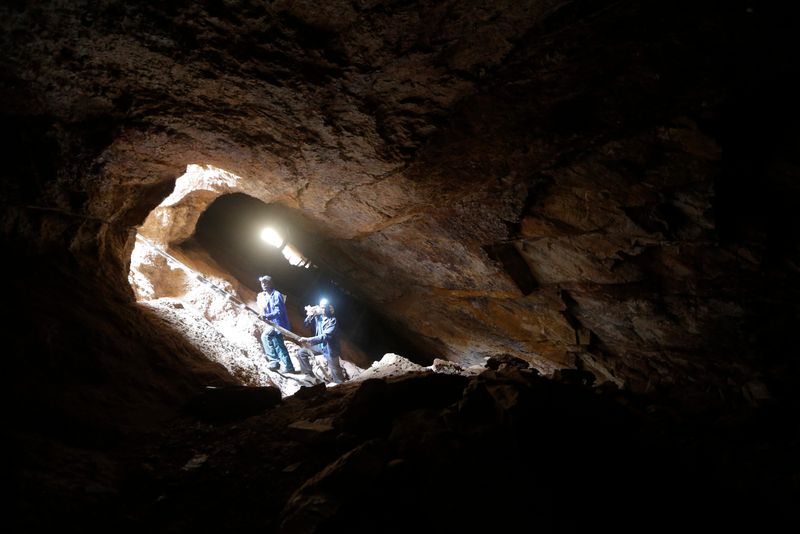
The largest sectoral adjustment occurred within the mining industry, which grew by 12.5% following the inclusion of artisanal and illegal mining operations, commonly known as zama zamas, alongside other informal markets such as cannabis and abalone trade. According to official data, the non-observed economy now accounts for 8.7% of overall economic activity.
The broader GDP baseline has significantly improved South Africa's key fiscal metrics following the Medium-Term Budget Policy Statement presented by Finance Minister Enoch Godongwana. National Treasury recalculated its figures to show the debt-to-GDP ratio peaking at 74.6% in the 2025/26 period, marking a nearly four percentage point decrease from the previously projected 78.4%.
While the revision leaves actual government revenue, spending, and nominal debt amounts unchanged, the altered ratios provide the Treasury with additional flexibility and potentially more favorable evaluations from international credit rating agencies. Other metrics also saw minor adjustments, with the main budget deficit estimated at 3.5% of GDP for 2026/27.
The stakes
The National Treasury gains immediate fiscal breathing room and improved optics for international creditors, while critics note that incorporating illicit activities into official statistics does not reflect genuine structural economic reform or enhanced job creation.
Two readings
- Supporters read the rebasing as a necessary technical correction that brings unrecorded economic value into official metrics, aligning with international standards and providing a realistic baseline for state finances.
- Critics read the integration of illegal mining and informal trades as a distortion of national accounts that normalizes illicit activities to mask ongoing macroeconomic vulnerabilities.
Source Daily Maverick — dailymaverick.co.za/article/2026-11-11-loaded-for-bear-sas-gdp-and-… ↗
Read next
 ✒️Opinion & Analysis
ICJ Rules Myanmar Military Committed Genocide Against Rohingya
The International Court of Justice has found Myanmar's military guilty of genocide against the Rohingya, a ruling that damages the international standing of both Aung San…
 🕯️Democracy & Rights
Chinese teachers face rising parental pressure over personal life choices
Chinese educators are encountering a surge in unreasonable demands from parents, including complaints regarding teachers' pregnancy and maternity leave.
 🛡️War & Security
Ukraine Restricts Media Coverage of Infrastructure Damage Amid Russian Strikes
President Volodymyr Zelenskyy has issued a decree prohibiting media outlets from reporting on the impact of Russian strikes against critical infrastructure and the status…
 🏮China & Taiwan
Beijing Reaffirms Reunification Stance Following Taiwan Local Election Results
China’s Taiwan Affairs Office declared that the island’s reunification with the mainland remains inevitable, despite recent shifts in Taiwan's local political landscape.
 🇪🇺Europe
US Air Force Repels Unauthorized Drone Incursion at RAF Lakenheath
U.S. security forces at a British air base successfully countered a group of unidentified drones, amid growing concerns over potential foreign state involvement.
 ⚖️Law & Policy
India Government Proposes 50% Increase in Parliamentary Seats and Women's Reservation
The Indian government plans to introduce legislation to expand the Lok Sabha to 850 seats and mandate a 33% reservation for women in legislative bodies.