Labour MPs Question Viability of Andy Burnham’s Long-Term Policy Agenda
Internal skepticism is mounting within the Labour Party regarding the substance of Andy Burnham’s ten-year policy vision. Meanwhile, the government is refining plans for a potential social media restriction affecting various online platforms.
 🇬🇧UK & Ireland
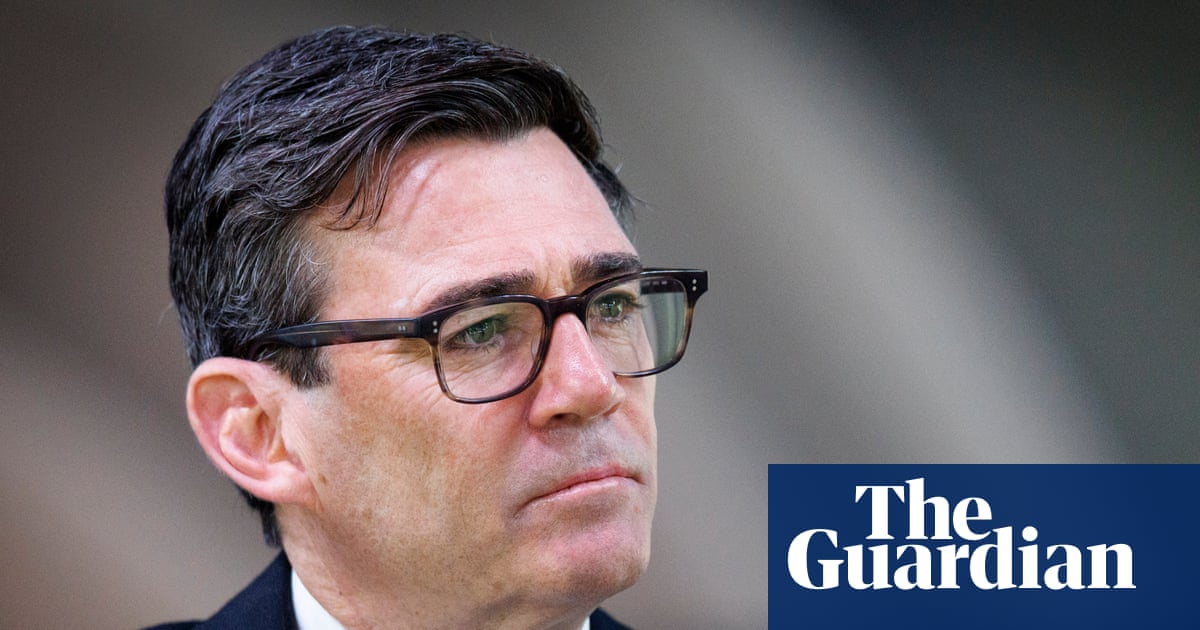
Photo: Guardian UK Politics
Key points
- Labour MPs are questioning the substance of Andy Burnham's ten-year policy plan.
- The government is considering expanding social media bans to include platforms like Vinted.
- Kemi Badenoch continues to challenge the government's policy record during PMQs.
Internal friction is emerging within the Labour Party as some lawmakers express growing doubts over the feasibility and depth of Andy Burnham’s ten-year policy framework. While the party leadership faces external pressure from a revitalized opposition, questions regarding the structural integrity of Burnham’s long-term agenda are beginning to circulate among backbenchers.
The scrutiny coincides with ongoing government deliberations regarding potential restrictions on social media usage. Officials are currently evaluating the scope of a proposed ban, which may extend beyond traditional networking sites to include various online marketplaces and digital platforms, such as Vinted. The administration maintains that these measures are necessary to address evolving digital safety concerns.
These developments occur against a backdrop of intensified parliamentary debate, where the Leader of the Opposition, Kemi Badenoch, has focused her efforts on challenging the Prime Minister’s policy record. As the government navigates these legislative hurdles, the ability of key figures like Burnham to maintain party unity behind his strategic vision remains a critical test for the current administration.
The stakes
The success of the ten-year plan is essential for the government to demonstrate long-term administrative competence, but failure to secure party-wide support could signal a weakening of Burnham’s political capital. If the proposed social media regulations are implemented, they will fundamentally alter the digital landscape for both consumers and commercial platforms, potentially creating significant friction between the government and the tech sector.
Two readings
- Supporters argue that Burnham’s long-term vision is a necessary evolution of party policy that provides a clear, strategic roadmap for national development.
- Critics contend that the plan lacks the practical substance required for implementation and that the government’s focus on social media restrictions represents an overreach of regulatory authority.
Source Guardian UK Politics — theguardian.com/politics/audio/2026/nov/12/are-cracks-showing-in-th… ↗
Read next
 ✒️Opinion & Analysis
ICJ Rules Myanmar Military Committed Genocide Against Rohingya
The International Court of Justice has found Myanmar's military guilty of genocide against the Rohingya, a ruling that damages the international standing of both Aung San…
 🕯️Democracy & Rights
Chinese teachers face rising parental pressure over personal life choices
Chinese educators are encountering a surge in unreasonable demands from parents, including complaints regarding teachers' pregnancy and maternity leave.
 🛡️War & Security
Ukraine Restricts Media Coverage of Infrastructure Damage Amid Russian Strikes
President Volodymyr Zelenskyy has issued a decree prohibiting media outlets from reporting on the impact of Russian strikes against critical infrastructure and the status…
 🏮China & Taiwan
Beijing Reaffirms Reunification Stance Following Taiwan Local Election Results
China’s Taiwan Affairs Office declared that the island’s reunification with the mainland remains inevitable, despite recent shifts in Taiwan's local political landscape.
 🇪🇺Europe
US Air Force Repels Unauthorized Drone Incursion at RAF Lakenheath
U.S. security forces at a British air base successfully countered a group of unidentified drones, amid growing concerns over potential foreign state involvement.
 ⚖️Law & Policy
India Government Proposes 50% Increase in Parliamentary Seats and Women's Reservation
The Indian government plans to introduce legislation to expand the Lok Sabha to 850 seats and mandate a 33% reservation for women in legislative bodies.