US Congress and Government Ponder Stricter Chip Export Curbs on China
United States lawmakers and administration officials are pushing for tighter export controls on advanced artificial intelligence chips following a high-profile corporate espionage scandal.
 🇬🇧UK & Ireland
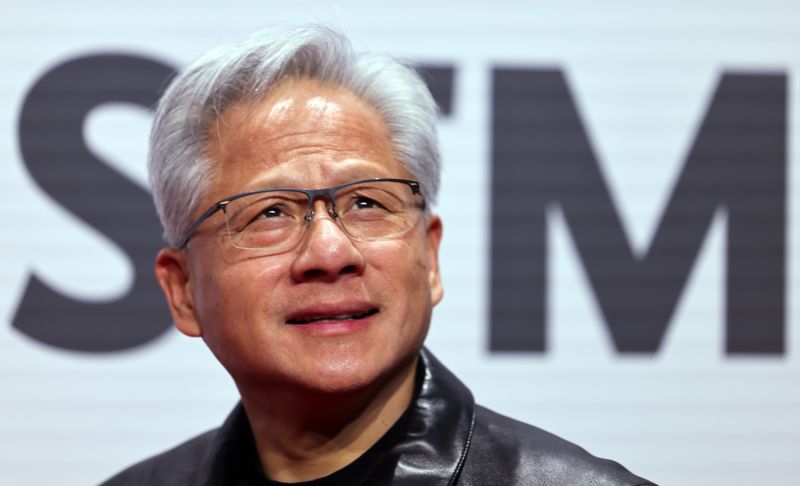
Photo: Daily Maverick
Key points
- Bipartisan consensus grows in US Congress to restrict advanced chip exports to China.
- Jensen Huang steps down as Nvidia CEO following an espionage-related investigation.
- Chinese AI shares fall sharply amid investor fears of tighter technology curbs.
United States House Speaker Mike Johnson stated on Thursday that a growing bipartisan consensus has emerged in Congress regarding the limitation of advanced semiconductor exports to China. This legislative momentum follows the departure of Jensen Huang as chief executive of Nvidia, after intelligence reports linked him to a Chinese businesswoman whom American authorities suspect of espionage for Beijing. Beijing has denied that the individual in question is a spy.
Lawmakers across party lines have intensified demands for stricter oversight of Nvidia's exports, viewing the company's processors as vital to maintaining an advantage in artificial intelligence over Beijing. In response to the unfolding developments, Chinese artificial intelligence shares and hardware suppliers experienced sharp declines on Friday, reflecting investor anxiety over potential supply restrictions and remote access limitations.
Congressional efforts to restrict technology transfers are gaining traction, with lawmakers eyeing the upcoming annual defense authorization bill as a vehicle for new export curbs. Proposals such as the AI Overwatch Act and the Chip Security Act aim to grant federal authorities expanded oversight regarding the geographical location and distribution of high-end processors, potentially closing loopholes exploited by firms seeking to bypass existing trade barriers.
The stakes
American technology firms face stricter regulatory compliance and potential revenue losses from restricted Chinese markets, while Chinese artificial intelligence developers risk falling behind in computational power. If these legislative measures pass, bilateral technological decoupling between the world's two largest economies will accelerate significantly.
Two readings
- Supporters read the proposed legislation as a vital national security measure necessary to prevent foreign military exploitation of cutting-edge American technology.
- Critics read the intensifying restrictions as an overreaction that could damage American commercial competitiveness and provoke retaliatory economic measures.
Source Daily Maverick — dailymaverick.co.za/article/2026-11-13-chinas-access-to-some-nvidia… ↗
Read next
 ✒️Opinion & Analysis
ICJ Rules Myanmar Military Committed Genocide Against Rohingya
The International Court of Justice has found Myanmar's military guilty of genocide against the Rohingya, a ruling that damages the international standing of both Aung San…
 🕯️Democracy & Rights
Chinese teachers face rising parental pressure over personal life choices
Chinese educators are encountering a surge in unreasonable demands from parents, including complaints regarding teachers' pregnancy and maternity leave.
 🛡️War & Security
Ukraine Restricts Media Coverage of Infrastructure Damage Amid Russian Strikes
President Volodymyr Zelenskyy has issued a decree prohibiting media outlets from reporting on the impact of Russian strikes against critical infrastructure and the status…
 🏮China & Taiwan
Beijing Reaffirms Reunification Stance Following Taiwan Local Election Results
China’s Taiwan Affairs Office declared that the island’s reunification with the mainland remains inevitable, despite recent shifts in Taiwan's local political landscape.
 🇪🇺Europe
US Air Force Repels Unauthorized Drone Incursion at RAF Lakenheath
U.S. security forces at a British air base successfully countered a group of unidentified drones, amid growing concerns over potential foreign state involvement.
 ⚖️Law & Policy
India Government Proposes 50% Increase in Parliamentary Seats and Women's Reservation
The Indian government plans to introduce legislation to expand the Lok Sabha to 850 seats and mandate a 33% reservation for women in legislative bodies.