UK Government Faces Backlash Over Potential Electric Vehicle Target Reductions
The UK government is reportedly considering easing electric vehicle mandates, sparking sharp criticism from Green Party leaders ahead of the COP climate summit.
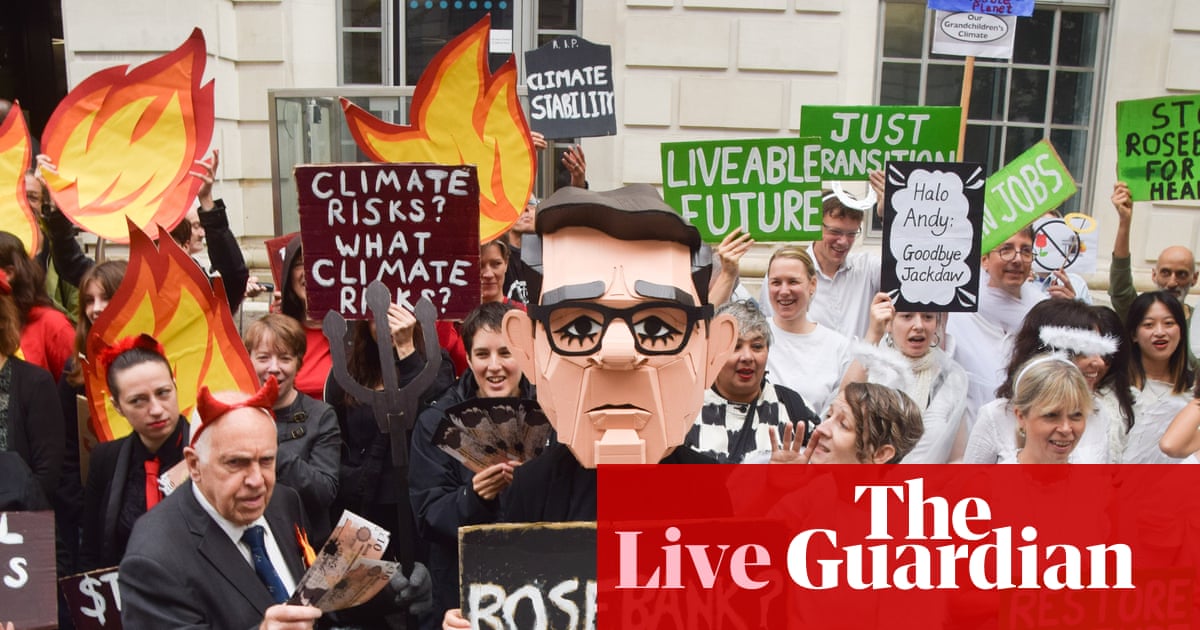 🇬🇧UK & Ireland
Photo: Guardian World
Key points
- Government considering reduction of electric vehicle sales targets.
- Green Party leaders condemn the potential shift as a climate backslide.
- Policy uncertainty arises just before the international COP climate summit.
The British government is reportedly preparing to weaken its mandatory targets for electric vehicle (EV) adoption, a move that has drawn immediate condemnation from environmental advocates and opposition figures. While a final policy decision remains pending, the potential shift away from aggressive electrification goals is being framed by critics as a significant retreat from the nation's climate commitments.
Green Party leader Zack Polanski characterized the potential policy change as evidence of a "shocking record" regarding environmental governance. Critics argue that softening these requirements prioritizes the interests of the automotive industry over urgent climate action, particularly as scientific projections warn of record-breaking global temperatures in the coming years.
Former Green leader Caroline Lucas echoed these concerns, describing the potential policy adjustment as a "terrible decision" that undermines the government's primary decarbonization strategy. The timing of the report, arriving just days before the COP climate summit, has intensified fears that the UK is signaling a diminished commitment to international climate leadership.
The stakes
If the government proceeds with relaxing these targets, it risks alienating environmental groups and jeopardizing the UK's long-term net-zero objectives. While the automotive sector may gain temporary regulatory relief, the move could result in a loss of international credibility on climate policy and slow the transition to sustainable transport infrastructure.
Two readings
- Supporters of the policy change view it as a pragmatic adjustment to accommodate industry constraints and ensure the economic viability of the domestic car market.
- Critics interpret the move as a major failure of political leadership, arguing it prioritizes short-term commercial pressure over the existential necessity of rapid decarbonization.
Source Guardian World — theguardian.com/politics/live/2026/nov/09/polanski-greens-labour-an… ↗
Read next
 ✒️Opinion & Analysis
ICJ Rules Myanmar Military Committed Genocide Against Rohingya
The International Court of Justice has found Myanmar's military guilty of genocide against the Rohingya, a ruling that damages the international standing of both Aung San…
 🕯️Democracy & Rights
Chinese teachers face rising parental pressure over personal life choices
Chinese educators are encountering a surge in unreasonable demands from parents, including complaints regarding teachers' pregnancy and maternity leave.
 🛡️War & Security
Ukraine Restricts Media Coverage of Infrastructure Damage Amid Russian Strikes
President Volodymyr Zelenskyy has issued a decree prohibiting media outlets from reporting on the impact of Russian strikes against critical infrastructure and the status…
 🏮China & Taiwan
Beijing Reaffirms Reunification Stance Following Taiwan Local Election Results
China’s Taiwan Affairs Office declared that the island’s reunification with the mainland remains inevitable, despite recent shifts in Taiwan's local political landscape.
 🇪🇺Europe
US Air Force Repels Unauthorized Drone Incursion at RAF Lakenheath
U.S. security forces at a British air base successfully countered a group of unidentified drones, amid growing concerns over potential foreign state involvement.
 ⚖️Law & Policy
India Government Proposes 50% Increase in Parliamentary Seats and Women's Reservation
The Indian government plans to introduce legislation to expand the Lok Sabha to 850 seats and mandate a 33% reservation for women in legislative bodies.