Theresa May’s Brexit Intervention Revives Conservative Divisions Over Europe
Former Prime Minister Theresa May's recent comments on Brexit have stirred debate within the Conservative Party, even as current leadership seeks to pivot toward domestic policy.
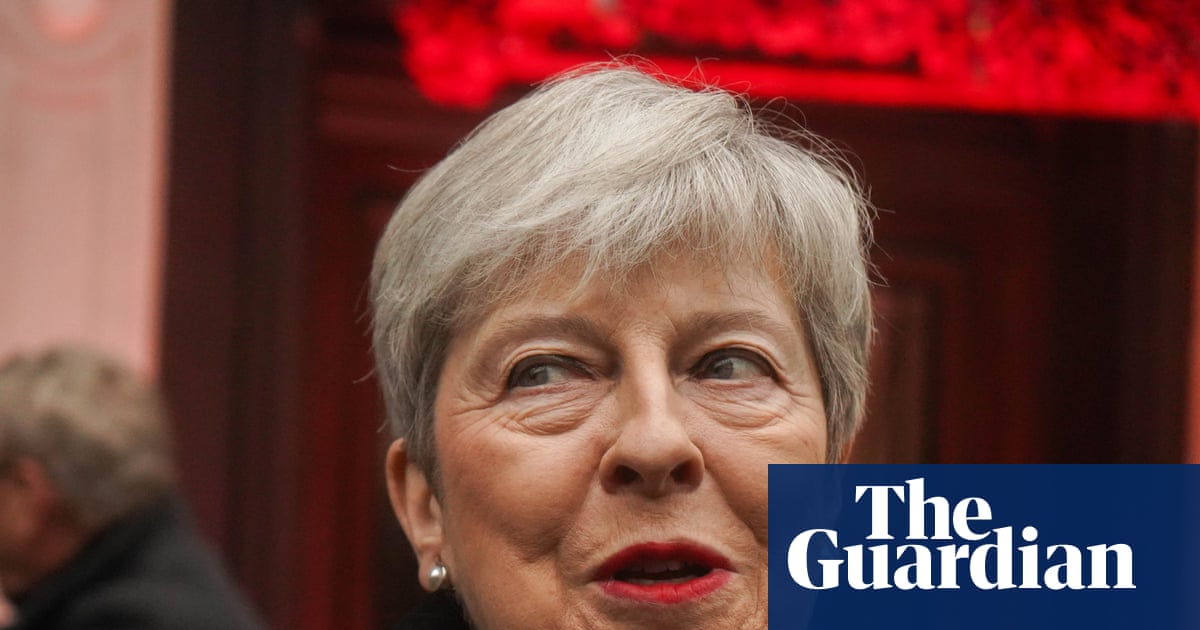 🇬🇧UK & Ireland
Photo: Guardian UK Politics
Key points
- Theresa May resurfaced the Brexit debate in a broadcast interview.
- Polling indicates a growing preference for rejoining the EU across many former leave constituencies.
- Conservative leadership vows to reverse any new EU alignment agreed by the government.
Former Prime Minister Theresa May appeared on broadcast media to discuss the state of Brexit, prompting unwanted flashbacks to the internal party fractures that defined her administration. The intervention comes as the Conservative Party under Kemi Badenoch attempts to steer public attention away from European Union relations and toward domestic priorities such as the economy, social security, and defence.
For years, Conservative strategy relied heavily on the political capital of the 2019 general election victory. However, polling data indicates a shifting national consensus, with a large majority of voters now viewing the 2016 departure as a mistake. Demographic changes and recent constituency-level data suggest that hundreds of areas that previously supported leaving the bloc would now vote to rejoin, complicating the political landscape for the parliamentary opposition.
Despite these changing public attitudes, Conservative leadership remains steadfast in opposition to closer European integration. Senior party figures have indicated that a future Conservative government would seek to dismantle any new arrangements negotiated with Brussels. At the same time, figures like May continue to grapple with the legacy of a departure process that proved politically fatal for multiple prime ministers.
The stakes
If the Conservative Party allows itself to be dragged back into protracted arguments over Europe, it risks alienating voters focused on cost-of-living and public services while failing to capitalize on shifts in public opinion.
Two readings
- Supporters argue that standing firm against European integration is essential for maintaining national sovereignty and honoring the democratic mandate of the 2016 referendum.
- Critics contend that the party is trapped in past ideological battles and ignoring a clear demographic and economic shift toward closer ties with the UK's nearest trading partners.
Source Guardian UK Politics — theguardian.com/politics/2026/nov/22/theresa-may-blast-from-the-pas… ↗
Read next
 ✒️Opinion & Analysis
ICJ Rules Myanmar Military Committed Genocide Against Rohingya
The International Court of Justice has found Myanmar's military guilty of genocide against the Rohingya, a ruling that damages the international standing of both Aung San…
 🕯️Democracy & Rights
Chinese teachers face rising parental pressure over personal life choices
Chinese educators are encountering a surge in unreasonable demands from parents, including complaints regarding teachers' pregnancy and maternity leave.
 🛡️War & Security
Ukraine Restricts Media Coverage of Infrastructure Damage Amid Russian Strikes
President Volodymyr Zelenskyy has issued a decree prohibiting media outlets from reporting on the impact of Russian strikes against critical infrastructure and the status…
 🏮China & Taiwan
Beijing Reaffirms Reunification Stance Following Taiwan Local Election Results
China’s Taiwan Affairs Office declared that the island’s reunification with the mainland remains inevitable, despite recent shifts in Taiwan's local political landscape.
 🇪🇺Europe
US Air Force Repels Unauthorized Drone Incursion at RAF Lakenheath
U.S. security forces at a British air base successfully countered a group of unidentified drones, amid growing concerns over potential foreign state involvement.
 ⚖️Law & Policy
India Government Proposes 50% Increase in Parliamentary Seats and Women's Reservation
The Indian government plans to introduce legislation to expand the Lok Sabha to 850 seats and mandate a 33% reservation for women in legislative bodies.