UK Home Office Faces Criticism Over Treatment of Turkish Business Visa Holders
Former Foreign Secretary David Lammy has accused the Home Office of mishandling residency applications for Turkish businesspeople, drawing parallels to the Windrush immigration scandal.
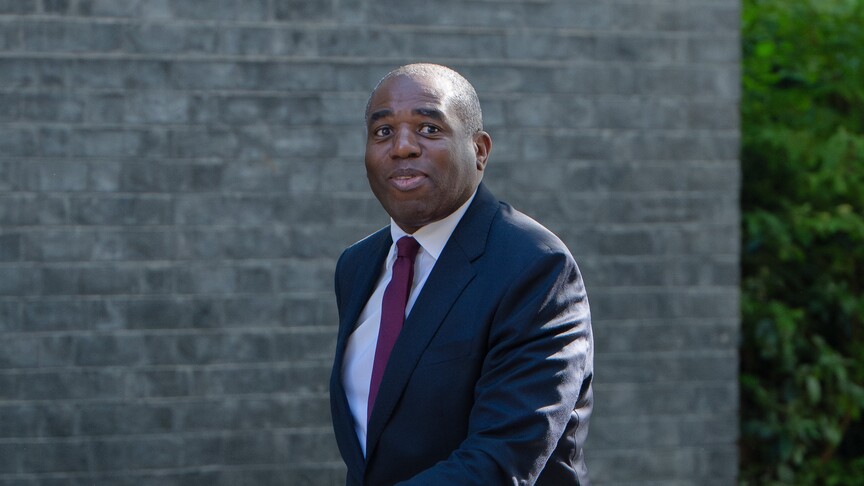 🇬🇧UK & Ireland
Photo: Anadolu
Key points
- David Lammy criticizes Home Office over Turkish residency denials
- Approval rates for ECAA visa holders have dropped significantly in 2026
- Allegations of administrative errors mirror concerns from the Windrush scandal
Former British Foreign Secretary David Lammy has publicly condemned the Home Office for its handling of indefinite leave to remain (ILR) applications submitted by Turkish businesspeople under the Ankara Agreement. Lammy described the government's approach as "outrageous," alleging that careless administrative errors are causing significant hardship for individuals who have built families and businesses within the United Kingdom.
This criticism follows reports of a dramatic decline in approval rates for Turkish nationals holding European Community Association Agreement (ECAA) visas. While approvals previously numbered in the thousands, data indicates that hundreds of applicants have been denied permanent residency since the start of 2026. Official figures further reveal that requests for administrative reviews of these decisions surged from 145 in 2025 to 395 by mid-August 2026.
Reports suggest that many applicants are facing potential removal due to alleged bureaucratic inconsistencies and the application of requirements not explicitly outlined in current immigration rules. Despite these claims, the Home Office maintains that the established immigration policies governing these applications have remained unchanged.
The stakes
The situation places the Home Office under intense scrutiny regarding its administrative integrity and treatment of long-term residents. If the government fails to address these concerns, it risks further legal challenges and potential reputational damage, while affected Turkish business owners face the immediate threat of deportation and the loss of their livelihoods in the UK.
Two readings
- Supporters of the criticism argue that the Home Office is repeating past failures by prioritizing rigid bureaucratic targets over the rights of individuals who have contributed to the British economy.
- Critics of the intervention maintain that immigration rules are being applied consistently and that the Home Office is simply enforcing existing legal standards without bias.
Source Anadolu — aa.com.tr/en/europe/uks-lammy-likens-treatment-of-turkish-businessp… ↗
Read next
 ✒️Opinion & Analysis
ICJ Rules Myanmar Military Committed Genocide Against Rohingya
The International Court of Justice has found Myanmar's military guilty of genocide against the Rohingya, a ruling that damages the international standing of both Aung San…
 🕯️Democracy & Rights
Chinese teachers face rising parental pressure over personal life choices
Chinese educators are encountering a surge in unreasonable demands from parents, including complaints regarding teachers' pregnancy and maternity leave.
 🛡️War & Security
Ukraine Restricts Media Coverage of Infrastructure Damage Amid Russian Strikes
President Volodymyr Zelenskyy has issued a decree prohibiting media outlets from reporting on the impact of Russian strikes against critical infrastructure and the status…
 🏮China & Taiwan
Beijing Reaffirms Reunification Stance Following Taiwan Local Election Results
China’s Taiwan Affairs Office declared that the island’s reunification with the mainland remains inevitable, despite recent shifts in Taiwan's local political landscape.
 🇪🇺Europe
US Air Force Repels Unauthorized Drone Incursion at RAF Lakenheath
U.S. security forces at a British air base successfully countered a group of unidentified drones, amid growing concerns over potential foreign state involvement.
 ⚖️Law & Policy
India Government Proposes 50% Increase in Parliamentary Seats and Women's Reservation
The Indian government plans to introduce legislation to expand the Lok Sabha to 850 seats and mandate a 33% reservation for women in legislative bodies.