John Kerry Labels Trump a Loser Over Climate Policy Retreat at Cop31
Former US Secretary of State John Kerry criticized President Donald Trump at the Cop31 summit in Turkey for abandoning climate action and surrendering clean-energy dominance to China.
 🇺🇸US Politics
Photo: Guardian Trump
Key points
- John Kerry criticized Donald Trump at the Cop31 climate summit in Turkey.
- The current US administration sent no delegation to the UN conference.
- Kerry argued that abandoning renewables hands clean-energy dominance to China.
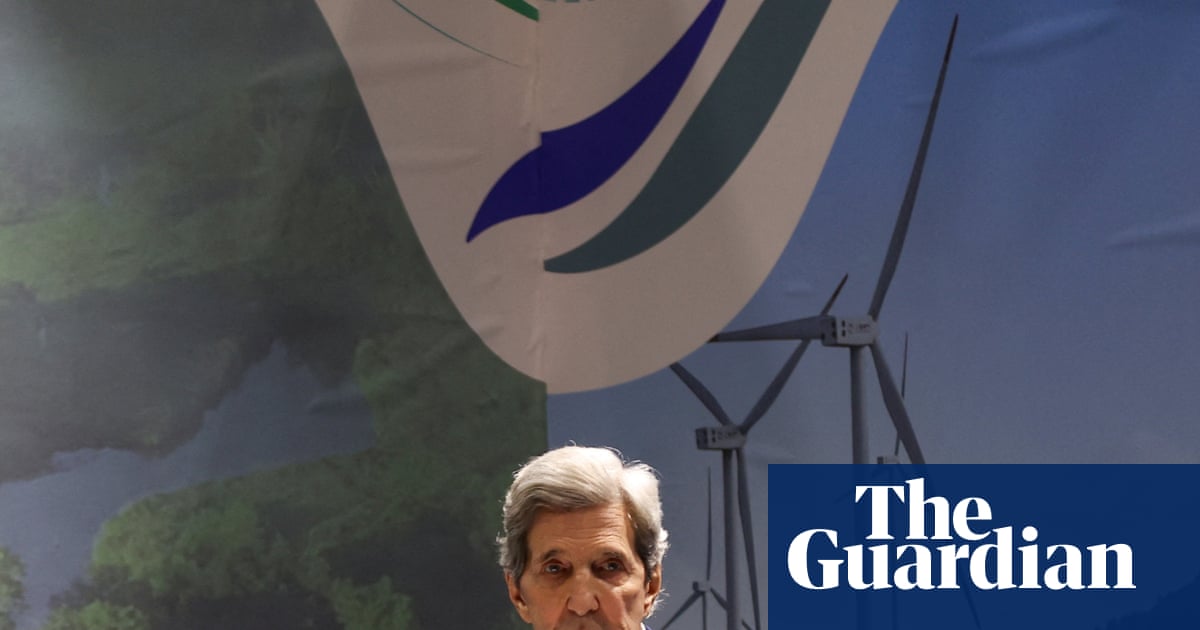
Former US Secretary of State John Kerry sharply criticized President Donald Trump on Tuesday at the Cop31 climate summit in Turkey, labeling him the biggest loser for dismantling environmental regulations and ceding the clean energy market to Beijing. Speaking at the annual United Nations climate talks in Antalya—which the current US administration is boycotting—Kerry argued that abandoning the green sector harms American economic competitiveness.
The Trump administration has notably sent no delegation to the summit, maintaining its skepticism toward international climate agreements. President Trump reiterated his opposition to renewable energy on Monday, dismissing wind power and vowing to push for increased oil and gas production. While the previous administration enacted extensive tax incentives for electric vehicles and renewable manufacturing to rival China, Republican lawmakers have systematically rolled back that financial backing, favoring tariffs and subsidies for coal-fired power plants instead.
Kerry asserted that walking away from renewable technology hands global market leadership directly to foreign competitors. Meanwhile, the White House defended its absence from the conference, with an official stating that the summit ignores the economic damage caused by strict environmental regulations. Concurrently, environmental advocates at the gathering expressed deep frustration with the slow pace of global negotiations regarding fossil fuel phaseouts.
The stakes
If the current US policy of rolling back clean-energy incentives and promoting fossil fuels endures, American manufacturers risk losing a multi-trillion-dollar global market to competitors like China, while international climate mitigation goals face severe setbacks.
Two readings
- Supporters argue that shedding costly climate mandates protects domestic industries, lowers energy prices, and prioritizes reliable fossil fuel generation over subsidized green projects.
- Critics contend that abandoning renewable energy cedes technological leadership to international rivals, harms long-term economic competitiveness, and accelerates global environmental degradation.
Source Guardian Trump — theguardian.com/environment/2026/nov/12/trump-loser-john-kerry-cop31 ↗
Read next
 ✒️Opinion & Analysis
ICJ Rules Myanmar Military Committed Genocide Against Rohingya
The International Court of Justice has found Myanmar's military guilty of genocide against the Rohingya, a ruling that damages the international standing of both Aung San…
 🕯️Democracy & Rights
Chinese teachers face rising parental pressure over personal life choices
Chinese educators are encountering a surge in unreasonable demands from parents, including complaints regarding teachers' pregnancy and maternity leave.
 🛡️War & Security
Ukraine Restricts Media Coverage of Infrastructure Damage Amid Russian Strikes
President Volodymyr Zelenskyy has issued a decree prohibiting media outlets from reporting on the impact of Russian strikes against critical infrastructure and the status…
 🏮China & Taiwan
Beijing Reaffirms Reunification Stance Following Taiwan Local Election Results
China’s Taiwan Affairs Office declared that the island’s reunification with the mainland remains inevitable, despite recent shifts in Taiwan's local political landscape.
 🇪🇺Europe
US Air Force Repels Unauthorized Drone Incursion at RAF Lakenheath
U.S. security forces at a British air base successfully countered a group of unidentified drones, amid growing concerns over potential foreign state involvement.
 ⚖️Law & Policy
India Government Proposes 50% Increase in Parliamentary Seats and Women's Reservation
The Indian government plans to introduce legislation to expand the Lok Sabha to 850 seats and mandate a 33% reservation for women in legislative bodies.