US Supreme Court Agrees to Weigh Donald Trump Border Asylum Ban
The US Supreme Court has agreed to review the administration's ban on asylum applications at the southern border, setting up a major legal test of executive authority.
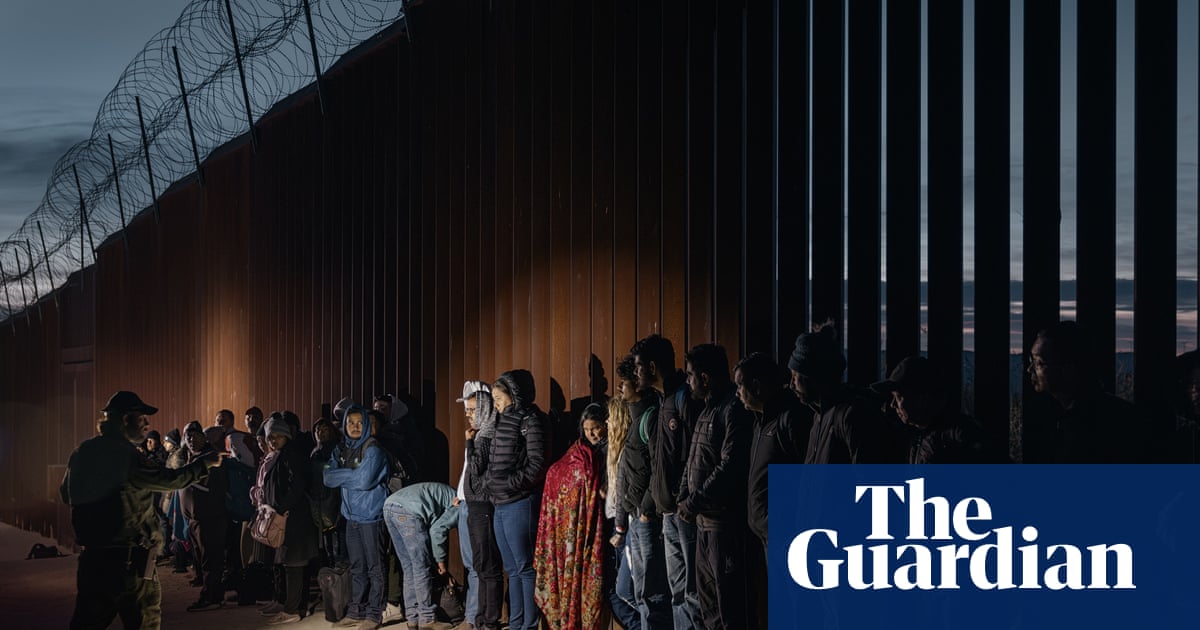 🇺🇸US Politics
Photo: Guardian Supreme Court
Key points
- Supreme Court agrees to hear appeal on border asylum ban
- Administration defends policy as remedy for processing delays
- Civil rights lawyers argue order violates federal statute
The Supreme Court announced Friday that it will hear the administration's appeal to reinstate an executive order that categorically blocks asylum applications for migrants crossing the southern boundary. Government attorneys asked justices to set aside previous lower court rulings that had declared the restrictive policy unlawful.
Administration lawyers defended the directive as a necessary measure to curb prolonged processing backlogs and prevent unauthorized entries. They contended that the executive branch holds broad discretion to restrict immigration and should not be compelled to process applications destined for denial.
Opponents, including attorneys from the American Civil Liberties Union and the National Immigrant Justice Center, argued that federal statute explicitly guarantees every individual the right to seek asylum regardless of their entry method. They maintained that the president lacks the unilateral authority to dismantle statutory protections designed for vulnerable individuals fleeing persecution.
The contested directive formed a centerpiece of the administration's broad immigration overhaul implemented upon its return to office in 2025. Although lower courts blocked the measure, judicial stays have permitted the policy to remain active throughout the ongoing legal battles.
The stakes
A ruling from the high court will permanently define the boundaries of presidential authority over immigration policy and statutory asylum rights. If the policy stands, the executive branch gains sweeping power to close the border to asylum seekers, whereas a defeat would reaffirm individual statutory protections and curtail unilateral executive action.
Two readings
- Supporters read the policy as a vital enforcement tool necessary to restore order at the border and manage overwhelming administrative backlogs.
- Critics read the order as an illegal attempt to bypass federal law and strip away essential humanitarian protections for refugees.
Source Guardian Supreme Court — theguardian.com/us-news/2026/nov/13/supreme-court-us-mexico-border-… ↗
Read next
 ✒️Opinion & Analysis
ICJ Rules Myanmar Military Committed Genocide Against Rohingya
The International Court of Justice has found Myanmar's military guilty of genocide against the Rohingya, a ruling that damages the international standing of both Aung San…
 🕯️Democracy & Rights
Chinese teachers face rising parental pressure over personal life choices
Chinese educators are encountering a surge in unreasonable demands from parents, including complaints regarding teachers' pregnancy and maternity leave.
 🛡️War & Security
Ukraine Restricts Media Coverage of Infrastructure Damage Amid Russian Strikes
President Volodymyr Zelenskyy has issued a decree prohibiting media outlets from reporting on the impact of Russian strikes against critical infrastructure and the status…
 🏮China & Taiwan
Beijing Reaffirms Reunification Stance Following Taiwan Local Election Results
China’s Taiwan Affairs Office declared that the island’s reunification with the mainland remains inevitable, despite recent shifts in Taiwan's local political landscape.
 🇪🇺Europe
US Air Force Repels Unauthorized Drone Incursion at RAF Lakenheath
U.S. security forces at a British air base successfully countered a group of unidentified drones, amid growing concerns over potential foreign state involvement.
 ⚖️Law & Policy
India Government Proposes 50% Increase in Parliamentary Seats and Women's Reservation
The Indian government plans to introduce legislation to expand the Lok Sabha to 850 seats and mandate a 33% reservation for women in legislative bodies.