Federal Health Minister Challenges State Bans on Puberty Blockers
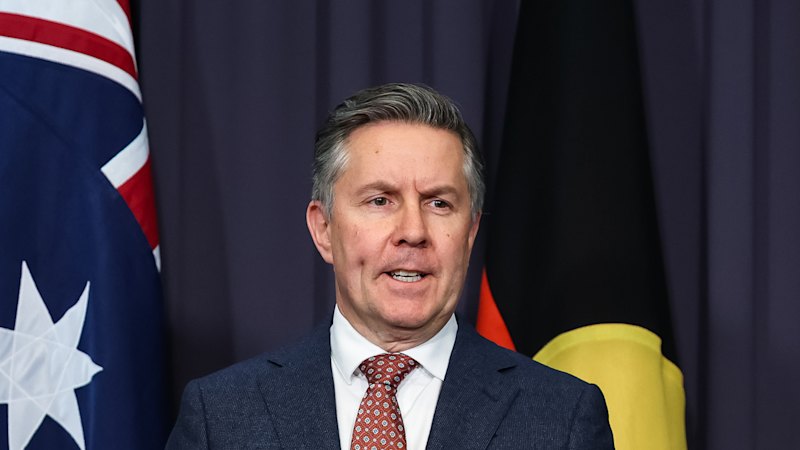
Federal Health Minister Mark Butler has urged state and territory governments to align their healthcare services with new national guidelines recommending access to puberty blockers for gender-diverse adolescents.
 🇺🇸US Politics
Photo: SMH Politics
Key points
- Health Minister Mark Butler urges states to follow new national guidelines on puberty blockers.
- The National Health and Medical Research Council recommends supervised access for eligible adolescents.
- Broader recommendations regarding gender-affirming hormones are anticipated by 2028.
Federal Health Minister Mark Butler has called upon state and territory administrations that have restricted or banned puberty blockers for minors to follow newly released national guidelines. The framework, issued by the National Health and Medical Research Council, advises that gender-diverse teens should be able to access the medical treatment under specific clinical conditions.
The federal administration initiated a comprehensive review into medical treatments for transgender youth in January 2025. This action followed a decision by Queensland to suspend the prescription of gender transition medications for young people. The inquiry itself was prompted by the United Kingdom's 2024 ban on puberty blockers following a health service commission evaluation.
Under the proposed interim guidelines, a young person must exhibit physical signs of puberty, demonstrate an inconsistency between their gender identity and registered birth sex, and receive clearance from qualified clinicians alongside parental consultation. Butler expressed strong confidence that regional health authorities would heed the expert scientific advice, noting that jurisdictions across the political spectrum have historically respected the council's determinations.
The stakes
If states adopt the national guidelines, young transgender individuals in regions with existing bans will regain access to puberty-blocking treatments, shifting health policy toward a federally standardized approach while intensifying ongoing partisan and cultural debates over youth healthcare.
Two readings
- Supporters argue the guidelines restore evidence-based, medically supervised care for vulnerable adolescents by relying on independent scientific expertise.
- Critics contend that the risks associated with puberty-blocking drugs remain insufficiently studied, pointing to international restrictions as a justification for continued caution.
Source SMH Politics — smh.com.au/politics/federal/butler-challenges-states-to-allow-puber… ↗
Read next
 ✒️Opinion & Analysis
ICJ Rules Myanmar Military Committed Genocide Against Rohingya
The International Court of Justice has found Myanmar's military guilty of genocide against the Rohingya, a ruling that damages the international standing of both Aung San…
 🕯️Democracy & Rights
Chinese teachers face rising parental pressure over personal life choices
Chinese educators are encountering a surge in unreasonable demands from parents, including complaints regarding teachers' pregnancy and maternity leave.
 🛡️War & Security
Ukraine Restricts Media Coverage of Infrastructure Damage Amid Russian Strikes
President Volodymyr Zelenskyy has issued a decree prohibiting media outlets from reporting on the impact of Russian strikes against critical infrastructure and the status…
 🏮China & Taiwan
Beijing Reaffirms Reunification Stance Following Taiwan Local Election Results
China’s Taiwan Affairs Office declared that the island’s reunification with the mainland remains inevitable, despite recent shifts in Taiwan's local political landscape.
 🇪🇺Europe
US Air Force Repels Unauthorized Drone Incursion at RAF Lakenheath
U.S. security forces at a British air base successfully countered a group of unidentified drones, amid growing concerns over potential foreign state involvement.
 ⚖️Law & Policy
India Government Proposes 50% Increase in Parliamentary Seats and Women's Reservation
The Indian government plans to introduce legislation to expand the Lok Sabha to 850 seats and mandate a 33% reservation for women in legislative bodies.