Zohran Mamdani's Affordability Playbook Reshapes Democratic Campaigns Nationwide
Democratic candidates across the United States successfully adopted New York Mayor Zohran Mamdani's populist cost-of-living messaging during the midterm elections.
 🇺🇸US Politics
Photo: Guardian Trump
Key points
- New York Mayor Zohran Mamdani's affordability messaging influenced midterm campaigns nationwide.
- Centrist and progressive Democratic candidates successfully flipped or won seats by targeting economic inequality and billionaires.
- Campaigns utilized social media tactics similar to Mamdani's to connect high living costs with working-class struggles.
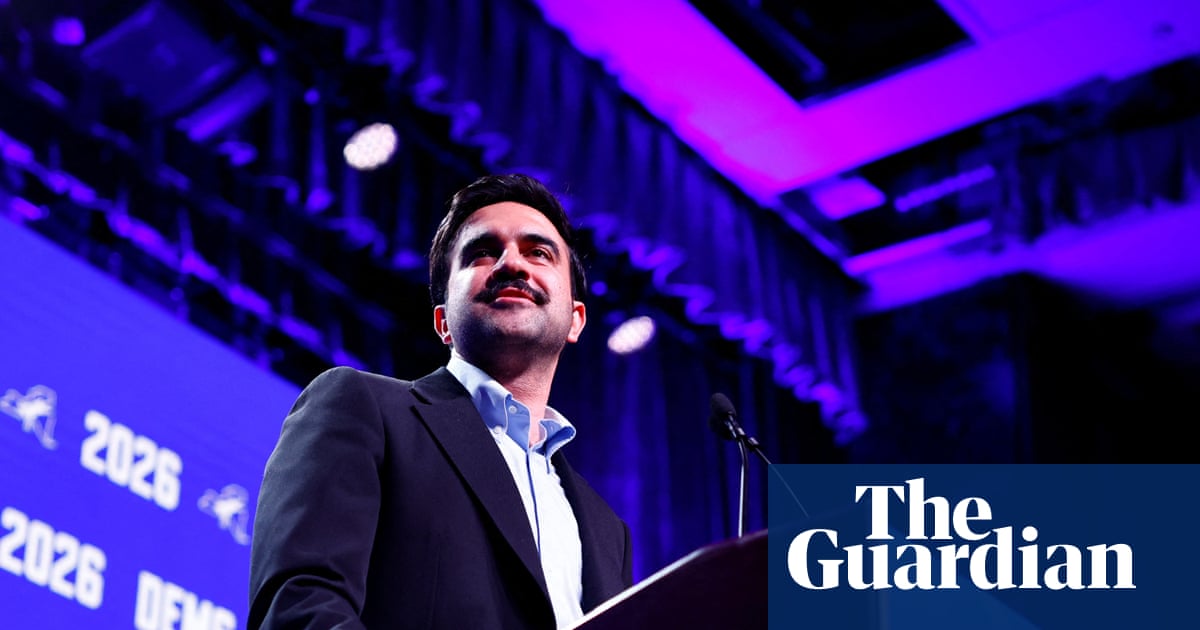
Democratic candidates from Texas to Iowa capitalized on a populist affordability platform during the midterm elections, channeling messaging pioneered by New York City Mayor Zohran Mamdani. Despite not appearing on the ballot himself, the democratic socialist mayor's focus on economic inequality and working-class struggles heavily influenced centrist and progressive campaigns alike as Democrats made significant legislative gains.
Candidates across various states framed political divides around economic status rather than traditional left-right partisan lines, targeting billionaires and government corruption. Texas Senate winner James Talarico and Iowa Senate victor Josh Turek both echoed themes of financial hardship and out-of-touch leadership. Analysts noted that this strategy helped unify a broad coalition of voters facing high prices for essentials such as rent, childcare, and groceries.
The electoral impact was widely felt as vote counts showed Democrats leading in the House of Representatives and picking up Senate seats. According to political strategists, Mamdani's ability to communicate complex economic grievances through creative social media campaigning provided a tactical blueprint that down-ballot candidates replicated nationwide.
The stakes
If this populist, anti-corruption messaging continues to dictate Democratic strategy, the party risks permanent ideological shifts away from establishment norms, potentially alienating corporate donors while building a more durable working-class coalition that could alter future congressional and presidential outcomes.
Two readings
- Supporters argue that focusing strictly on everyday economic struggles and tackling corporate wealth is the winning formula to rebuild a multi-class coalition and defeat political opponents.
- Critics contend that adopting populist, anti-billionaire rhetoric deepens social polarization and offers simplistic solutions to complex fiscal challenges.
Source Guardian Trump — theguardian.com/us-news/2026/nov/16/mamdani-democrats-midterms ↗
Read next
 ✒️Opinion & Analysis
ICJ Rules Myanmar Military Committed Genocide Against Rohingya
The International Court of Justice has found Myanmar's military guilty of genocide against the Rohingya, a ruling that damages the international standing of both Aung San…
 🕯️Democracy & Rights
Chinese teachers face rising parental pressure over personal life choices
Chinese educators are encountering a surge in unreasonable demands from parents, including complaints regarding teachers' pregnancy and maternity leave.
 🛡️War & Security
Ukraine Restricts Media Coverage of Infrastructure Damage Amid Russian Strikes
President Volodymyr Zelenskyy has issued a decree prohibiting media outlets from reporting on the impact of Russian strikes against critical infrastructure and the status…
 🏮China & Taiwan
Beijing Reaffirms Reunification Stance Following Taiwan Local Election Results
China’s Taiwan Affairs Office declared that the island’s reunification with the mainland remains inevitable, despite recent shifts in Taiwan's local political landscape.
 🇪🇺Europe
US Air Force Repels Unauthorized Drone Incursion at RAF Lakenheath
U.S. security forces at a British air base successfully countered a group of unidentified drones, amid growing concerns over potential foreign state involvement.
 ⚖️Law & Policy
India Government Proposes 50% Increase in Parliamentary Seats and Women's Reservation
The Indian government plans to introduce legislation to expand the Lok Sabha to 850 seats and mandate a 33% reservation for women in legislative bodies.