Democrats Face Pressure to Address Rising Costs Following Midterm Success
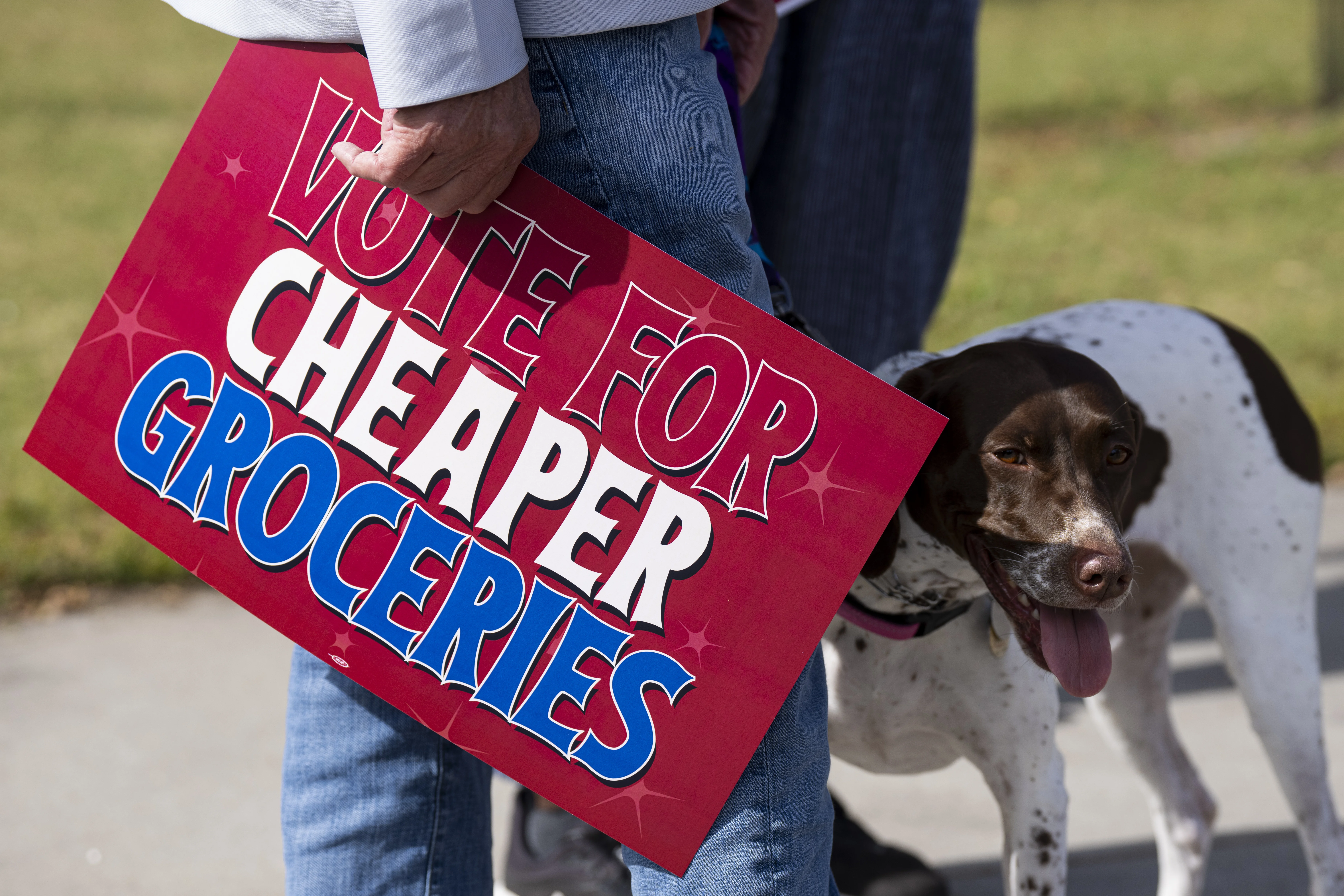
Following a strong performance in the midterm elections, Democratic lawmakers are under pressure to address voter concerns regarding the rising costs of groceries and general inflation.
 🇺🇸US Politics
Photo: NPR Politics
Key points
- Voters prioritized affordability and grocery costs during the midterms.
- Global tariffs and the conflict in Iran are cited as primary drivers of inflation.
- Democratic lawmakers face pressure to deliver economic relief to their constituents.
Following a significant performance in the midterm elections, Democratic leaders are facing immediate pressure to address the economic concerns that dominated the campaign cycle. Voters consistently identified the rising cost of living, specifically elevated grocery prices, as their primary concern during the election period.
The current economic climate has been heavily influenced by a combination of global trade tariffs and the ongoing conflict in Iran, both of which have disrupted supply chains and increased domestic prices. As the new legislative session approaches, the electorate is looking to Washington for tangible policy interventions to provide financial relief.
Democratic officials must now navigate the challenge of implementing fiscal or regulatory measures that can effectively lower consumer costs without exacerbating existing inflationary pressures. The party's ability to deliver on these economic expectations will likely serve as a key metric for their political standing heading into future election cycles.
The stakes
The Democratic Party stands to gain significant political capital if they can successfully stabilize food prices, potentially solidifying their voter base. Conversely, failure to mitigate these costs could lead to voter disillusionment and a loss of momentum, leaving the party vulnerable to criticism regarding their management of the national economy.
Two readings
- Supporters argue that legislative action and targeted government interventions can effectively ease the burden on households and stabilize the supply chain.
- Critics contend that external factors like international conflict and global trade policies are largely outside of domestic legislative control, making promises of immediate price relief unrealistic.
Source NPR Politics — npr.org/2026/11/09/nx-s1-6030830/democrats-grocery-bill-affordabili… ↗
Read next
 ✒️Opinion & Analysis
ICJ Rules Myanmar Military Committed Genocide Against Rohingya
The International Court of Justice has found Myanmar's military guilty of genocide against the Rohingya, a ruling that damages the international standing of both Aung San…
 🕯️Democracy & Rights
Chinese teachers face rising parental pressure over personal life choices
Chinese educators are encountering a surge in unreasonable demands from parents, including complaints regarding teachers' pregnancy and maternity leave.
 🛡️War & Security
Ukraine Restricts Media Coverage of Infrastructure Damage Amid Russian Strikes
President Volodymyr Zelenskyy has issued a decree prohibiting media outlets from reporting on the impact of Russian strikes against critical infrastructure and the status…
 🏮China & Taiwan
Beijing Reaffirms Reunification Stance Following Taiwan Local Election Results
China’s Taiwan Affairs Office declared that the island’s reunification with the mainland remains inevitable, despite recent shifts in Taiwan's local political landscape.
 🇪🇺Europe
US Air Force Repels Unauthorized Drone Incursion at RAF Lakenheath
U.S. security forces at a British air base successfully countered a group of unidentified drones, amid growing concerns over potential foreign state involvement.
 ⚖️Law & Policy
India Government Proposes 50% Increase in Parliamentary Seats and Women's Reservation
The Indian government plans to introduce legislation to expand the Lok Sabha to 850 seats and mandate a 33% reservation for women in legislative bodies.