New York City Council Proposal Sparks Debate Over Consumer Surcharges
Amazon has alerted New York City customers that proposed City Council legislation could add up to $5 in fees per order, igniting a debate over local fiscal policy.
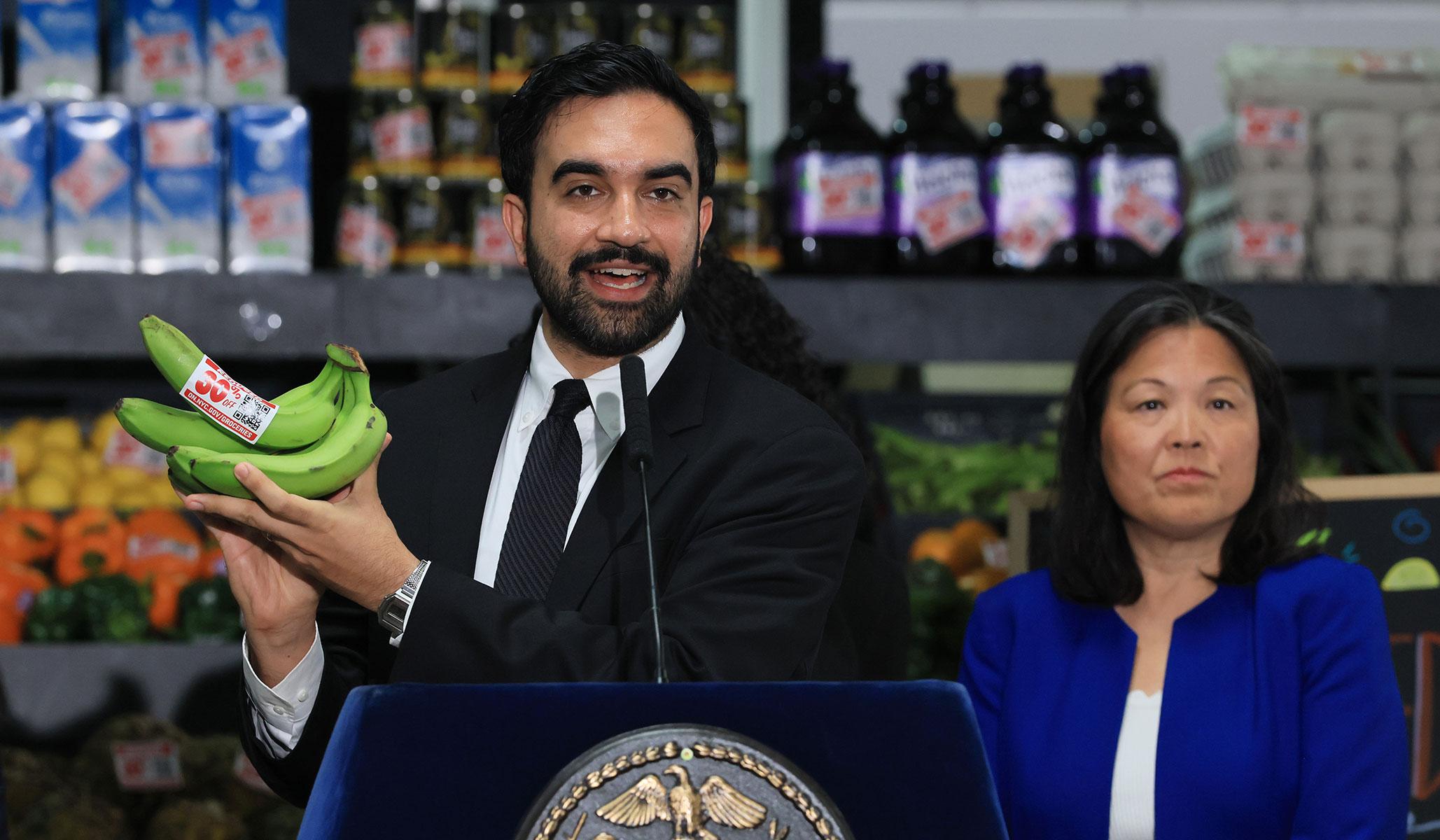 🇺🇸US Politics
Photo: National Review
Key points
- Amazon alerts NYC customers to potential $5 per order surcharge.
- The fees stem from pending proposals within the New York City Council.
- The situation highlights the conflict between local regulation and consumer costs.
New York City residents are facing potential increases in the cost of online shopping as the City Council considers new legislative measures. Amazon recently notified its local customers that pending municipal actions could result in additional charges of up to $5 per individual order, prompting the company to encourage users to voice their concerns regarding these potential price hikes.
The notification appeared during the checkout process, highlighting the friction between local legislative agendas and consumer affordability. While the City Council explores various revenue-generating or regulatory frameworks, the prospect of direct surcharges on e-commerce deliveries has drawn scrutiny regarding the impact on household budgets.
Critics of the potential policy argue that such measures place an undue burden on residents already struggling with the cost of living in the city. Conversely, proponents of similar regulatory efforts often cite the need for infrastructure funding or the desire to incentivize local retail consumption over large-scale digital platforms.
The stakes
If implemented, these surcharges would directly impact the purchasing power of New York City consumers and likely alter the operational costs for major e-commerce retailers. The move pits the city's legislative body against the convenience-focused expectations of urban shoppers, potentially creating a significant political liability for council members who support the added fees.
Two readings
- Supporters argue that such measures are necessary to regulate the environmental and traffic impacts of mass delivery services while generating revenue for city services.
- Critics contend that the policy is a regressive tax that disproportionately affects low-income families and ignores the economic reality of modern consumer habits.
Source National Review — nationalreview.com/article/mamdani-s-affordability-deception ↗
Read next
 ✒️Opinion & Analysis
ICJ Rules Myanmar Military Committed Genocide Against Rohingya
The International Court of Justice has found Myanmar's military guilty of genocide against the Rohingya, a ruling that damages the international standing of both Aung San…
 🕯️Democracy & Rights
Chinese teachers face rising parental pressure over personal life choices
Chinese educators are encountering a surge in unreasonable demands from parents, including complaints regarding teachers' pregnancy and maternity leave.
 🛡️War & Security
Ukraine Restricts Media Coverage of Infrastructure Damage Amid Russian Strikes
President Volodymyr Zelenskyy has issued a decree prohibiting media outlets from reporting on the impact of Russian strikes against critical infrastructure and the status…
 🏮China & Taiwan
Beijing Reaffirms Reunification Stance Following Taiwan Local Election Results
China’s Taiwan Affairs Office declared that the island’s reunification with the mainland remains inevitable, despite recent shifts in Taiwan's local political landscape.
 🇪🇺Europe
US Air Force Repels Unauthorized Drone Incursion at RAF Lakenheath
U.S. security forces at a British air base successfully countered a group of unidentified drones, amid growing concerns over potential foreign state involvement.
 ⚖️Law & Policy
India Government Proposes 50% Increase in Parliamentary Seats and Women's Reservation
The Indian government plans to introduce legislation to expand the Lok Sabha to 850 seats and mandate a 33% reservation for women in legislative bodies.