Trump Pledges Bipartisan Effort With Democrats to Cap Credit Card Interest Rates
President Trump stated he will work with the incoming Democratic Congress to cap credit card interest rates at 10%, reviving a campaign pledge previously stalled by industry opposition and Republican reluctance.
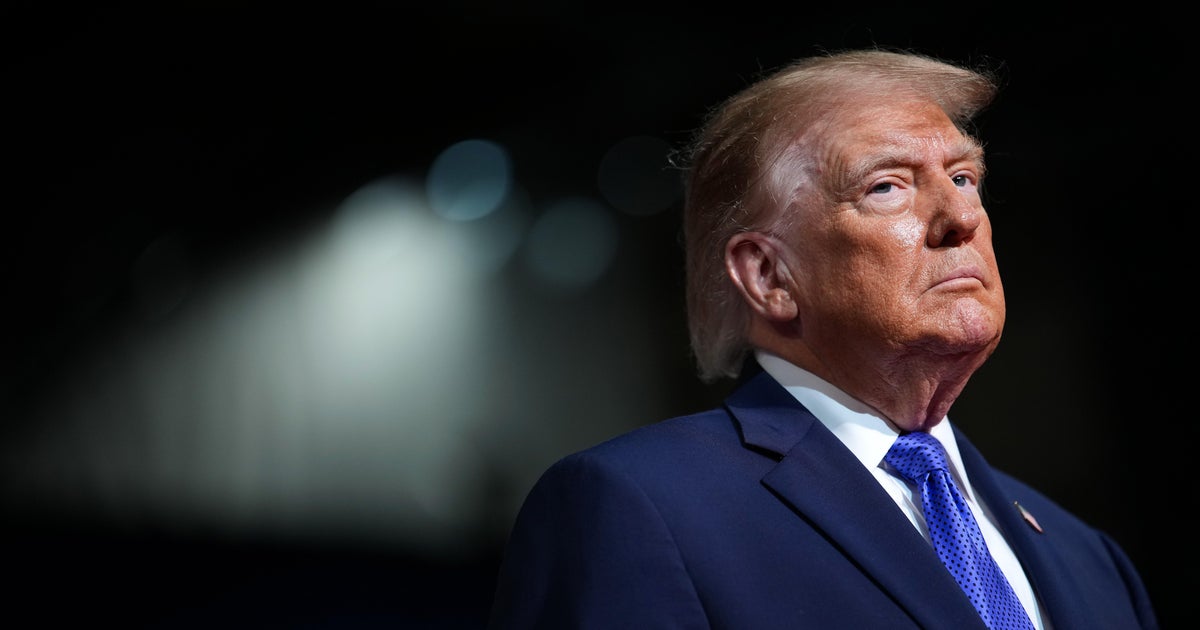 🇺🇸US Politics
Photo: CBS Politics
Key points
- President Trump plans to work with Democrats to cap credit card interest rates at 10%.
- Financial institutions and congressional Republicans previously blocked the initiative.
- Senator Elizabeth Warren welcomed the proposal as an opportunity to save consumers money.
President Trump announced his intention to collaborate with the incoming Democratic Congress to establish a cap on credit card interest rates, aiming to deliver on a 2024 campaign promise that previously stalled due to intense industry lobbying and a lack of support from fellow Republicans.
Standard proposals seek to limit credit card interest rates to 10%, a significant reduction from the median rate of roughly 22.2% recorded in a New York Federal Reserve survey. Under a 10% cap, a cardholder carrying a $5,000 balance would see monthly interest obligations drop from about $100 down to roughly $42.
When Mr. Trump initially introduced the proposal in January as part of an affordability initiative, banking institutions and credit card companies mounted aggressive opposition, arguing the measure would force them to revoke cards from lower-income consumers and drastically reduce customer rewards. The plan also encountered resistance within the GOP-controlled Congress, preventing any legislative advancement.
The dynamic shifted with Democrats securing control of both congressional chambers. Senator Elizabeth Warren of Massachusetts, poised to lead the Senate Banking Committee, expressed immediate support for the initiative following the President's remarks, echoing her previous statements that lawmakers could successfully partner with the administration on the issue.
The stakes
If enacted, the policy would save American consumers roughly $100 billion annually in interest charges on a total national credit card debt reaching $1.23 trillion, while the financial sector would face major revenue contractions and the likely scaling back of consumer rewards and perks for high-risk borrowers.
Two readings
- Supporters argue that capping exorbitant rates provides crucial financial relief to millions of heavily indebted households.
- Critics contend that strict interest rate limits will restrict credit access for vulnerable populations and eliminate consumer reward programs.
Source CBS Politics — cbsnews.com/news/trump-credit-card-rates-democrats-politics/ ↗
Read next
 ✒️Opinion & Analysis
ICJ Rules Myanmar Military Committed Genocide Against Rohingya
The International Court of Justice has found Myanmar's military guilty of genocide against the Rohingya, a ruling that damages the international standing of both Aung San…
 🕯️Democracy & Rights
Chinese teachers face rising parental pressure over personal life choices
Chinese educators are encountering a surge in unreasonable demands from parents, including complaints regarding teachers' pregnancy and maternity leave.
 🛡️War & Security
Ukraine Restricts Media Coverage of Infrastructure Damage Amid Russian Strikes
President Volodymyr Zelenskyy has issued a decree prohibiting media outlets from reporting on the impact of Russian strikes against critical infrastructure and the status…
 🏮China & Taiwan
Beijing Reaffirms Reunification Stance Following Taiwan Local Election Results
China’s Taiwan Affairs Office declared that the island’s reunification with the mainland remains inevitable, despite recent shifts in Taiwan's local political landscape.
 🇪🇺Europe
US Air Force Repels Unauthorized Drone Incursion at RAF Lakenheath
U.S. security forces at a British air base successfully countered a group of unidentified drones, amid growing concerns over potential foreign state involvement.
 ⚖️Law & Policy
India Government Proposes 50% Increase in Parliamentary Seats and Women's Reservation
The Indian government plans to introduce legislation to expand the Lok Sabha to 850 seats and mandate a 33% reservation for women in legislative bodies.