Speaker-designate Jeffries Outlines Legislative Priorities for New Congress
House Minority Leader Hakeem Jeffries has identified affordability, healthcare, and government accountability as the primary focus for the incoming Democratic congressional agenda. He signaled a willingness to pursue bipartisan cooperation on specific policy reforms despite potential friction with the White House.
 🇺🇸US Politics
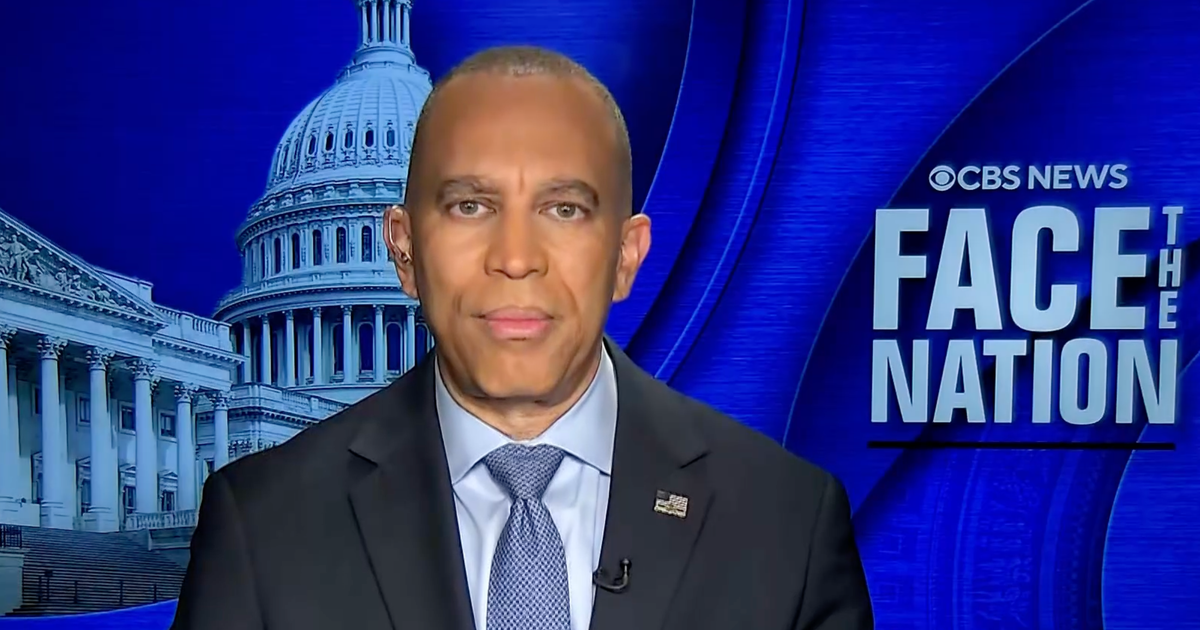
Photo: CBS Politics
Key points
- Jeffries plans to prioritize reversing Medicaid cuts and extending ACA tax credits.
- The Democratic agenda includes ethics reform targeting Congress and the Supreme Court.
- Three primary areas for potential bipartisan cooperation are identified: affordability, healthcare, and immigration.
Incoming Speaker of the House Hakeem Jeffries has signaled that the Democratic legislative agenda for the new Congress will prioritize addressing the cost-of-living crisis and implementing government accountability measures. In a recent interview, the New York Democrat emphasized that his party aims to tackle economic pressures by reversing recent Medicaid cuts, restoring SNAP benefits, and extending Affordable Care Act tax credits.
Jeffries identified three core areas where he hopes to find common ground with the Republican administration: economic affordability, healthcare system reform, and immigration policy. He specifically criticized current trade policies and the ongoing conflict in Iran, which he argued have contributed to rising fuel and food prices for American households.
Regarding government integrity, Jeffries confirmed that Democrats intend to pursue ethics reforms to combat what he described as unprecedented corruption. He expressed support for stricter oversight, suggesting that the legislative agenda would target misconduct within Congress and the Supreme Court to ensure that public officials remain accountable to the electorate.
The stakes
If these legislative efforts proceed, the Democratic caucus risks frequent vetoes from the Republican White House, potentially turning their agenda into a series of messaging bills. However, successful bipartisan cooperation on healthcare or immigration could provide a rare legislative win for both parties, whereas failure to compromise may deepen the current political gridlock and heighten tensions over the national budget and social safety net.
Two readings
- Supporters argue that Jeffries is correctly responding to voter demands for economic relief and ethical reform, positioning the party as a pragmatic force for the middle class.
- Critics contend that the proposed policies are ideological non-starters for the administration and that the focus on aggressive oversight is a partisan attempt to undermine the executive branch.
Source CBS Politics — cbsnews.com/news/transcript-house-minority-leader-hakeem-jeffries-o… ↗
Read next
 ✒️Opinion & Analysis
ICJ Rules Myanmar Military Committed Genocide Against Rohingya
The International Court of Justice has found Myanmar's military guilty of genocide against the Rohingya, a ruling that damages the international standing of both Aung San…
 🕯️Democracy & Rights
Chinese teachers face rising parental pressure over personal life choices
Chinese educators are encountering a surge in unreasonable demands from parents, including complaints regarding teachers' pregnancy and maternity leave.
 🛡️War & Security
Ukraine Restricts Media Coverage of Infrastructure Damage Amid Russian Strikes
President Volodymyr Zelenskyy has issued a decree prohibiting media outlets from reporting on the impact of Russian strikes against critical infrastructure and the status…
 🏮China & Taiwan
Beijing Reaffirms Reunification Stance Following Taiwan Local Election Results
China’s Taiwan Affairs Office declared that the island’s reunification with the mainland remains inevitable, despite recent shifts in Taiwan's local political landscape.
 🇪🇺Europe
US Air Force Repels Unauthorized Drone Incursion at RAF Lakenheath
U.S. security forces at a British air base successfully countered a group of unidentified drones, amid growing concerns over potential foreign state involvement.
 ⚖️Law & Policy
India Government Proposes 50% Increase in Parliamentary Seats and Women's Reservation
The Indian government plans to introduce legislation to expand the Lok Sabha to 850 seats and mandate a 33% reservation for women in legislative bodies.