Bessent Demands Answers From Nvidia Over Export Compliance and China Shipments
Treasury Secretary Scott Bessent stated that the administration is awaiting answers from Nvidia regarding potential export violations related to advanced AI chips sent to China. The inquiry follows the abrupt resignation of CEO Jensen Huang amid scandal.
 🇺🇸US Politics
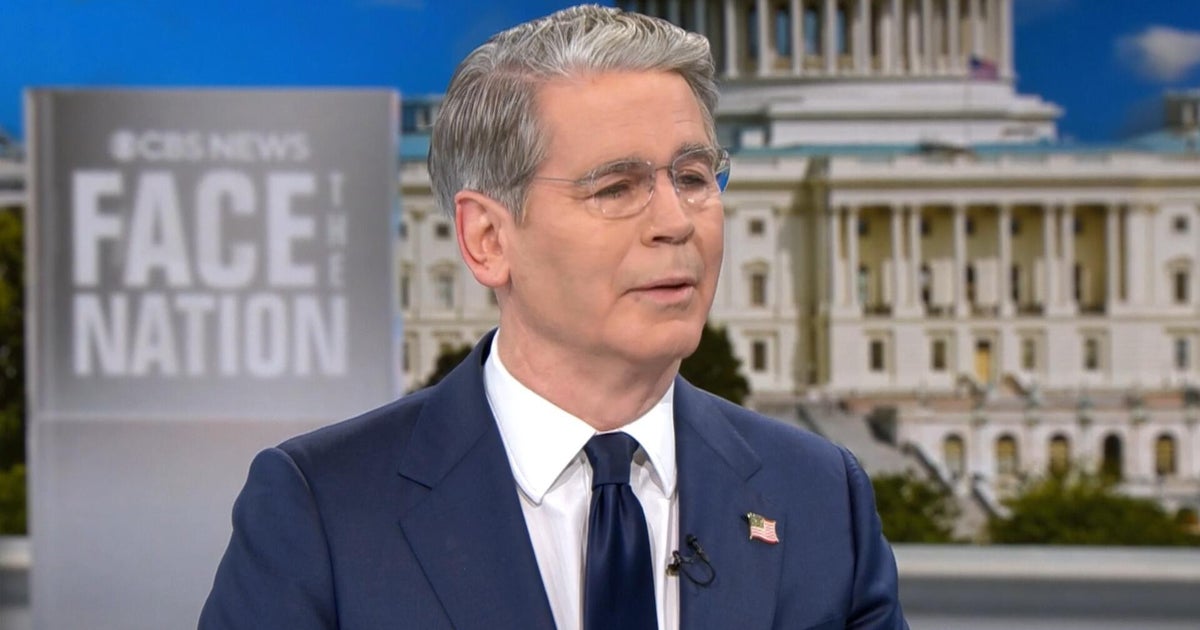
Photo: CBS Politics
Key points
- Treasury Secretary Scott Bessent demands answers from Nvidia on China chip exports.
- Investigation follows CEO Jensen Huang's resignation amid personal scandal.
- Huang is scheduled to testify before Senate and House committees in December.
Treasury Secretary Scott Bessent stated on Sunday that federal authorities are pressing semiconductor giant Nvidia for immediate clarifications regarding its compliance with federal export restrictions. Speaking on national television, Bessent emphasized that the administration has not yet received requested details concerning whether advanced artificial intelligence chips were improperly routed to China.
The federal scrutiny intensifies following the sudden departure of Nvidia Chief Executive Officer Jensen Huang, who resigned amid disclosures concerning extramarital affairs, including one involving an alleged foreign intelligence operative. Following Huang's exit, Chief Financial Officer Colette Kress assumed interim leadership, though Bessent has publicly encouraged the firm to appoint an external chief executive to restore institutional transparency.
Bessent previously raised concerns about a potential corporate culture of noncompliance aimed at inflating revenues through illicit sales channels. While President Donald Trump has publicly advocated for Huang's reinstatement, Bessent noted that investigators must determine the extent of internal knowledge across middle and upper management before weighing further steps. Huang has agreed to testify before the Senate Banking Committee and face questioning from House panels in early December.
The stakes
If the administration determines that Nvidia systematically bypassed federal trade restrictions, the corporation could face severe financial penalties and stricter regulatory oversight, potentially reshaping the semiconductor industry's export practices and national security enforcement.
Two readings
- Supporters view the administration's inquiries as a necessary enforcement of national security protocols to prevent advanced technology from reaching strategic adversaries.
- Critics argue that political interference and public pressure from the executive branch risk destabilizing a vital American technology leader during a corporate transition.
Source CBS Politics — cbsnews.com/news/bessent-nvidia-china-ai-chips-alice-huang-canard/ ↗
Read next
 ✒️Opinion & Analysis
ICJ Rules Myanmar Military Committed Genocide Against Rohingya
The International Court of Justice has found Myanmar's military guilty of genocide against the Rohingya, a ruling that damages the international standing of both Aung San…
 🕯️Democracy & Rights
Chinese teachers face rising parental pressure over personal life choices
Chinese educators are encountering a surge in unreasonable demands from parents, including complaints regarding teachers' pregnancy and maternity leave.
 🛡️War & Security
Ukraine Restricts Media Coverage of Infrastructure Damage Amid Russian Strikes
President Volodymyr Zelenskyy has issued a decree prohibiting media outlets from reporting on the impact of Russian strikes against critical infrastructure and the status…
 🏮China & Taiwan
Beijing Reaffirms Reunification Stance Following Taiwan Local Election Results
China’s Taiwan Affairs Office declared that the island’s reunification with the mainland remains inevitable, despite recent shifts in Taiwan's local political landscape.
 🇪🇺Europe
US Air Force Repels Unauthorized Drone Incursion at RAF Lakenheath
U.S. security forces at a British air base successfully countered a group of unidentified drones, amid growing concerns over potential foreign state involvement.
 ⚖️Law & Policy
India Government Proposes 50% Increase in Parliamentary Seats and Women's Reservation
The Indian government plans to introduce legislation to expand the Lok Sabha to 850 seats and mandate a 33% reservation for women in legislative bodies.