Donald Trump and Bipartisan Lawmakers Propose Federal Cap on Credit Card Interest
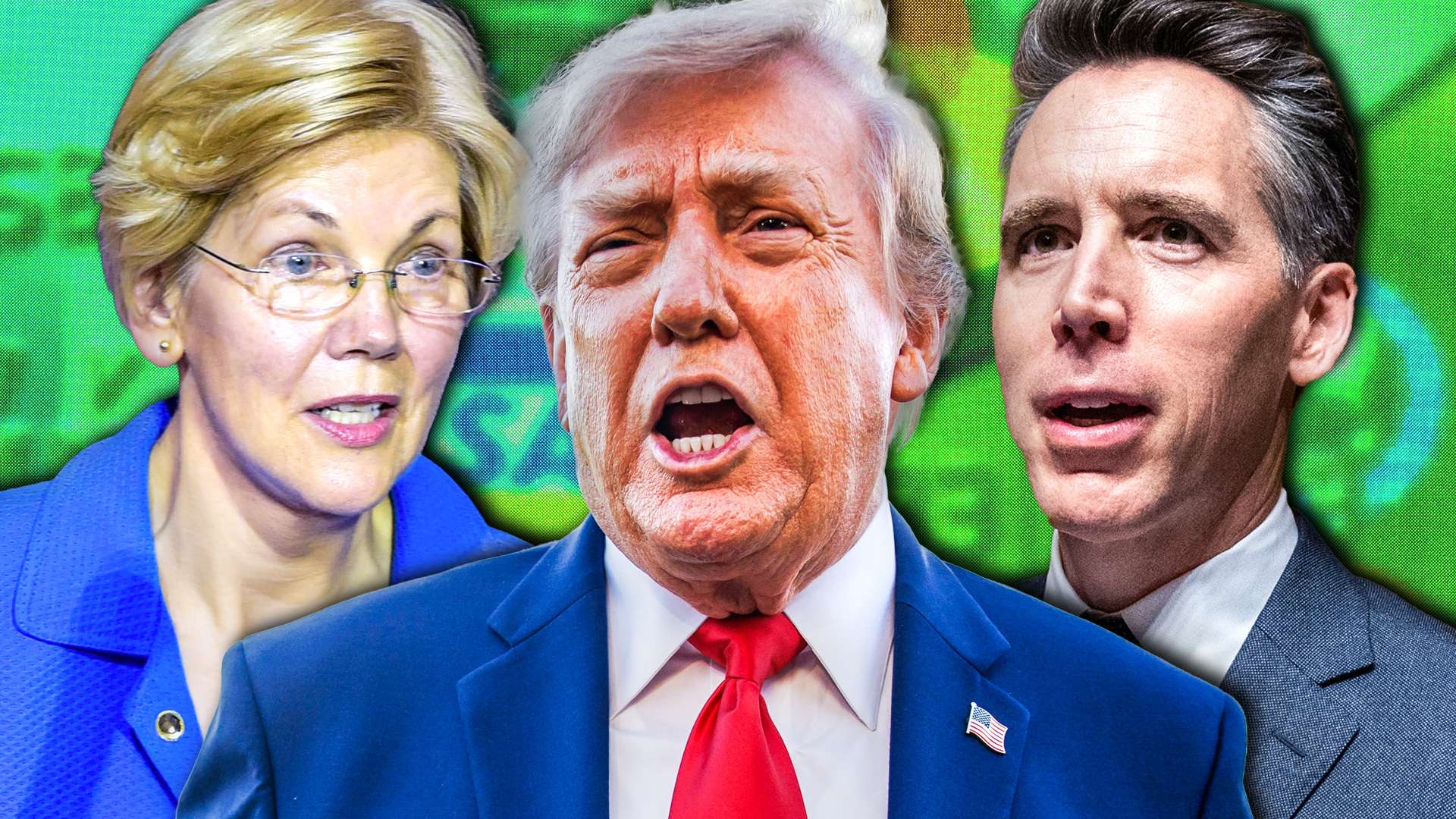
President Donald Trump has signaled support for a 10 percent federal cap on credit card interest rates, drawing rare bipartisan interest from lawmakers including Senators Elizabeth Warren, Josh Hawley, and Bernie Sanders.
 🇺🇸US Politics
Photo: Reason
Key points
- President Trump proposes a 10 percent cap on credit card interest rates.
- Bipartisan support emerges from lawmakers including Hawley, Sanders, and Warren.
- Analysts warn that the policy could restrict credit access for subprime borrowers.
President Donald Trump recently announced his willingness to collaborate with Democrats in the upcoming Congress to enact legislation limiting credit card interest rates to 10 percent. The proposal, which Trump framed as a measure to protect American consumers from excessive fees, has gained unexpected traction among a diverse group of legislators who argue that current interest rates unfairly burden households.
The initiative has received public endorsements from prominent figures across the political spectrum. Senator Josh Hawley (R–Mo.), who has introduced similar legislation, is co-sponsoring his bill with Senator Bernie Sanders (I–Vt.), while Representative Alexandria Ocasio-Cortez (D–N.Y.) has also proposed measures to restrict interest rates. Senator Elizabeth Warren (D–Mass.) expressed support for the president's stance, suggesting that such a cap would provide necessary financial relief to the public.
Critics of the proposal, including analysts from the American Enterprise Institute, warn that a 10 percent cap could fundamentally disrupt the credit card industry's business model. Experts suggest that such a policy might lead to reduced access to credit for individuals with low-prime or subprime credit scores, potentially forcing these consumers toward riskier or less regulated financial alternatives.
The stakes
If enacted, this policy would force a major restructuring of the consumer credit market. While it aims to lower costs for borrowers, it risks cutting off credit access for higher-risk individuals and potentially driving consumers toward predatory or illegal lending practices, ultimately altering the financial landscape for millions of Americans.
Two readings
- Supporters view the cap as a vital intervention to prevent Wall Street institutions from exploiting consumers and to curb record-high levels of household debt.
- Critics argue that the move is an ineffective populist policy that ignores market realities and will ultimately harm the very low-income consumers it intends to protect by eliminating their access to mainstream credit.
Source Reason — reason.com/2026/11/23/the-flawed-economic-populism-of-capping-credit-ca… ↗
Read next
 ✒️Opinion & Analysis
ICJ Rules Myanmar Military Committed Genocide Against Rohingya
The International Court of Justice has found Myanmar's military guilty of genocide against the Rohingya, a ruling that damages the international standing of both Aung San…
 🕯️Democracy & Rights
Chinese teachers face rising parental pressure over personal life choices
Chinese educators are encountering a surge in unreasonable demands from parents, including complaints regarding teachers' pregnancy and maternity leave.
 🛡️War & Security
Ukraine Restricts Media Coverage of Infrastructure Damage Amid Russian Strikes
President Volodymyr Zelenskyy has issued a decree prohibiting media outlets from reporting on the impact of Russian strikes against critical infrastructure and the status…
 🏮China & Taiwan
Beijing Reaffirms Reunification Stance Following Taiwan Local Election Results
China’s Taiwan Affairs Office declared that the island’s reunification with the mainland remains inevitable, despite recent shifts in Taiwan's local political landscape.
 🇪🇺Europe
US Air Force Repels Unauthorized Drone Incursion at RAF Lakenheath
U.S. security forces at a British air base successfully countered a group of unidentified drones, amid growing concerns over potential foreign state involvement.
 ⚖️Law & Policy
India Government Proposes 50% Increase in Parliamentary Seats and Women's Reservation
The Indian government plans to introduce legislation to expand the Lok Sabha to 850 seats and mandate a 33% reservation for women in legislative bodies.