Nvidia Board Reinstates CEO Jensen Huang Following Trump Administration Pressure
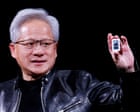
Nvidia CEO Jensen Huang has been reinstated to his position following an intensive lobbying campaign by President Donald Trump and Vice President JD Vance.
 🇺🇸US Politics
Photo: Guardian US Politics
Key points
- Jensen Huang reinstated as Nvidia CEO
- Trump and Vance led pressure campaign
- Allegations involve security risks and misconduct
Nvidia’s board of directors has officially reinstated founder Jensen Huang as CEO, reversing his recent ouster. The decision follows a coordinated pressure campaign led by President Donald Trump, Vice President JD Vance, and other senior members of the current administration, who intervened to ensure Huang’s return to the helm of the prominent chip manufacturing company.
The controversy surrounding Huang’s leadership involves serious allegations regarding his professional conduct and personal associations. Reports suggest that Huang has faced scrutiny over his treatment of staff and allegations of extramarital affairs. Notably, one of these associations involved an individual identified by United States intelligence officials as a suspected Chinese operative, allegedly linked to the unauthorized transfer of Nvidia’s proprietary technology to China.
The administration’s direct involvement in the corporate governance of a private entity has sparked significant debate regarding the influence of political power on business leadership. By securing Huang’s reinstatement, the White House has signaled a prioritization of specific leadership continuity within the critical semiconductor sector, despite the security and conduct concerns raised by the initial board action.
The stakes
The reinstatement shifts the balance of power between the executive branch and private corporate boards, establishing a precedent where political intervention can override internal governance. While the Trump administration gains a strategic ally in a vital technology sector, the move risks further scrutiny regarding national security protocols and the potential for elite impunity in corporate oversight.
Two readings
- Supporters argue that Huang’s deep industry expertise is essential for maintaining American technological dominance and that the administration is rightfully protecting a strategic national asset.
- Critics contend that the intervention undermines the rule of law and corporate accountability, suggesting that political patronage has shielded an executive from consequences regarding serious security and behavioral allegations.
Source Guardian US Politics — theguardian.com/commentisfree/2026/nov/24/jensen-huang-nvidia-return ↗
Read next
 ✒️Opinion & Analysis
ICJ Rules Myanmar Military Committed Genocide Against Rohingya
The International Court of Justice has found Myanmar's military guilty of genocide against the Rohingya, a ruling that damages the international standing of both Aung San…
 🕯️Democracy & Rights
Chinese teachers face rising parental pressure over personal life choices
Chinese educators are encountering a surge in unreasonable demands from parents, including complaints regarding teachers' pregnancy and maternity leave.
 🛡️War & Security
Ukraine Restricts Media Coverage of Infrastructure Damage Amid Russian Strikes
President Volodymyr Zelenskyy has issued a decree prohibiting media outlets from reporting on the impact of Russian strikes against critical infrastructure and the status…
 🏮China & Taiwan
Beijing Reaffirms Reunification Stance Following Taiwan Local Election Results
China’s Taiwan Affairs Office declared that the island’s reunification with the mainland remains inevitable, despite recent shifts in Taiwan's local political landscape.
 🇪🇺Europe
US Air Force Repels Unauthorized Drone Incursion at RAF Lakenheath
U.S. security forces at a British air base successfully countered a group of unidentified drones, amid growing concerns over potential foreign state involvement.
 ⚖️Law & Policy
India Government Proposes 50% Increase in Parliamentary Seats and Women's Reservation
The Indian government plans to introduce legislation to expand the Lok Sabha to 850 seats and mandate a 33% reservation for women in legislative bodies.