Incoming Senator Abdul El-Sayed Pushes Healthcare Reform and Bipartisan Engagement
Incoming U.S. Senator Abdul El-Sayed is advancing a proposal for a national healthcare system while echoing historical progressive critiques of corporate power.
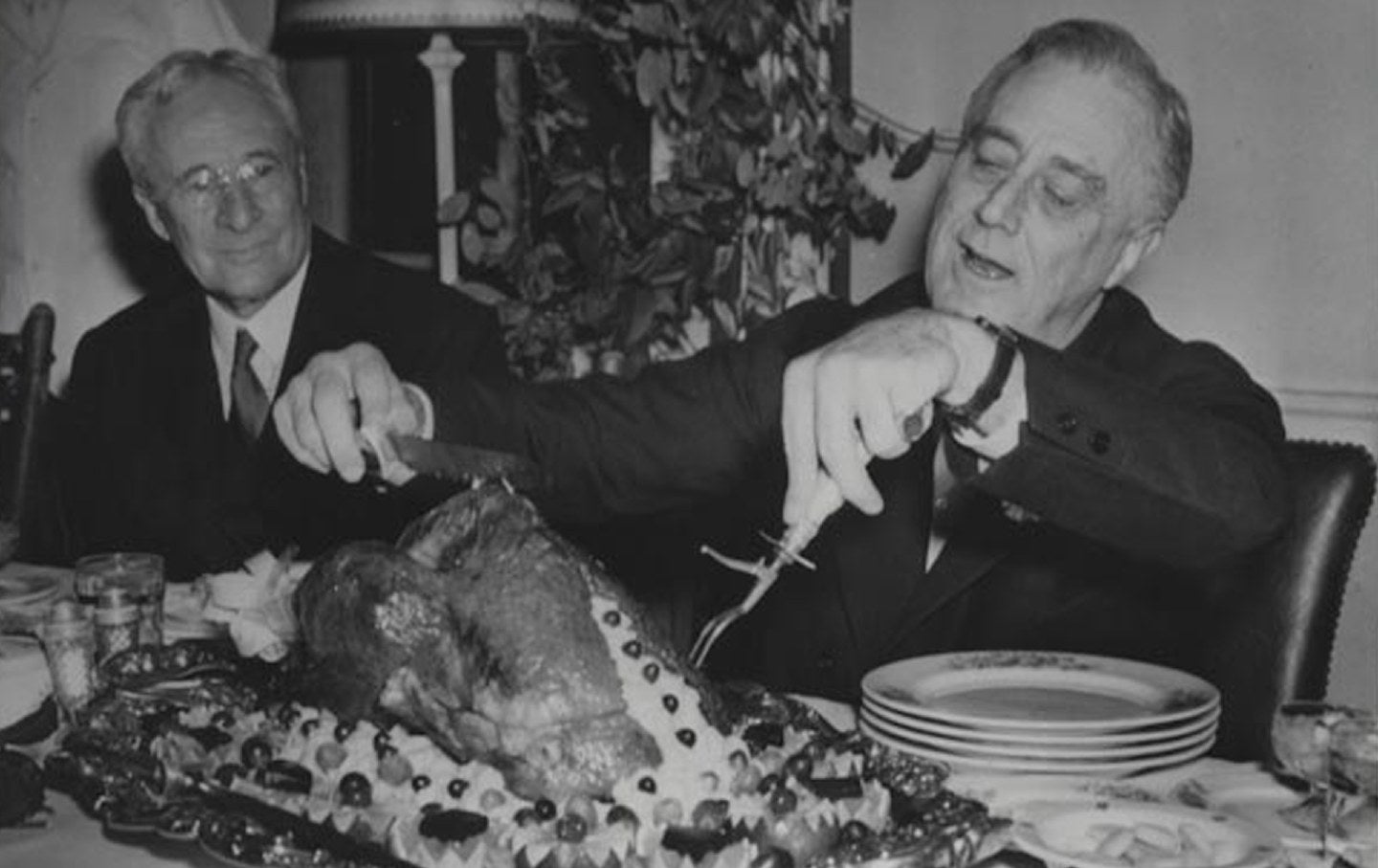 🇺🇸US Politics
Photo: The Nation
Key points
- Abdul El-Sayed prepares to enter the U.S. Senate in January as part of a new congressional class.
- The incoming senator has proposed a national healthcare system and a "Break Up Big Medicine Act."
- Vice President JD Vance's office reached out to schedule a meeting with El-Sayed following his election.
Incoming Michigan Democrat Abdul El-Sayed has proposed establishing a national healthcare system, signaling a willingness to work across party lines and even offering to name the initiative "Trump Care" to secure presidential backing. Despite being labeled a socialist by opponents during the 2026 election campaign, El-Sayed maintains that his platform seeks to reform a corrupted corporate system rather than dismantle market capitalism.
El-Sayed's legislative agenda features the proposed "Break Up Big Medicine Act," intended to curb monopolistic practices within private-sector healthcare and pharmaceutical industries. His rhetoric targets what he characterizes as the corporate capture of American politics, arguing that government institutions favor elite economic interests over the needs of working citizens.
The senator's approach mirrors the populist strategies employed by historical figures such as Franklin D. Roosevelt, utilizing moral arguments alongside policy reforms to challenge concentrated corporate wealth. Following his election victory, Vice President JD Vance's office reached out to arrange a meeting, indicating early engagement between the incoming lawmaker and the executive branch.
The stakes
If El-Sayed successfully builds a bipartisan coalition for healthcare reform, the political landscape surrounding public insurance programs could shift significantly, though major legislative hurdles remain regarding private-sector monopolies.
Two readings
- Supporters view the initiative as a pragmatic moral appeal that unifies working-class voters against corporate overreach and high healthcare costs.
- Critics contend that such proposals amount to government overreach that threatens market principles and expands public debt.
Source The Nation — thenation.com/article/politics/fdr-thanksgiving-capitalism-abdul-el… ↗
Read next
 ✒️Opinion & Analysis
ICJ Rules Myanmar Military Committed Genocide Against Rohingya
The International Court of Justice has found Myanmar's military guilty of genocide against the Rohingya, a ruling that damages the international standing of both Aung San…
 🕯️Democracy & Rights
Chinese teachers face rising parental pressure over personal life choices
Chinese educators are encountering a surge in unreasonable demands from parents, including complaints regarding teachers' pregnancy and maternity leave.
 🛡️War & Security
Ukraine Restricts Media Coverage of Infrastructure Damage Amid Russian Strikes
President Volodymyr Zelenskyy has issued a decree prohibiting media outlets from reporting on the impact of Russian strikes against critical infrastructure and the status…
 🏮China & Taiwan
Beijing Reaffirms Reunification Stance Following Taiwan Local Election Results
China’s Taiwan Affairs Office declared that the island’s reunification with the mainland remains inevitable, despite recent shifts in Taiwan's local political landscape.
 🇪🇺Europe
US Air Force Repels Unauthorized Drone Incursion at RAF Lakenheath
U.S. security forces at a British air base successfully countered a group of unidentified drones, amid growing concerns over potential foreign state involvement.
 ⚖️Law & Policy
India Government Proposes 50% Increase in Parliamentary Seats and Women's Reservation
The Indian government plans to introduce legislation to expand the Lok Sabha to 850 seats and mandate a 33% reservation for women in legislative bodies.