Georgia Judge Stays Order to Release 2020 Election Ballots
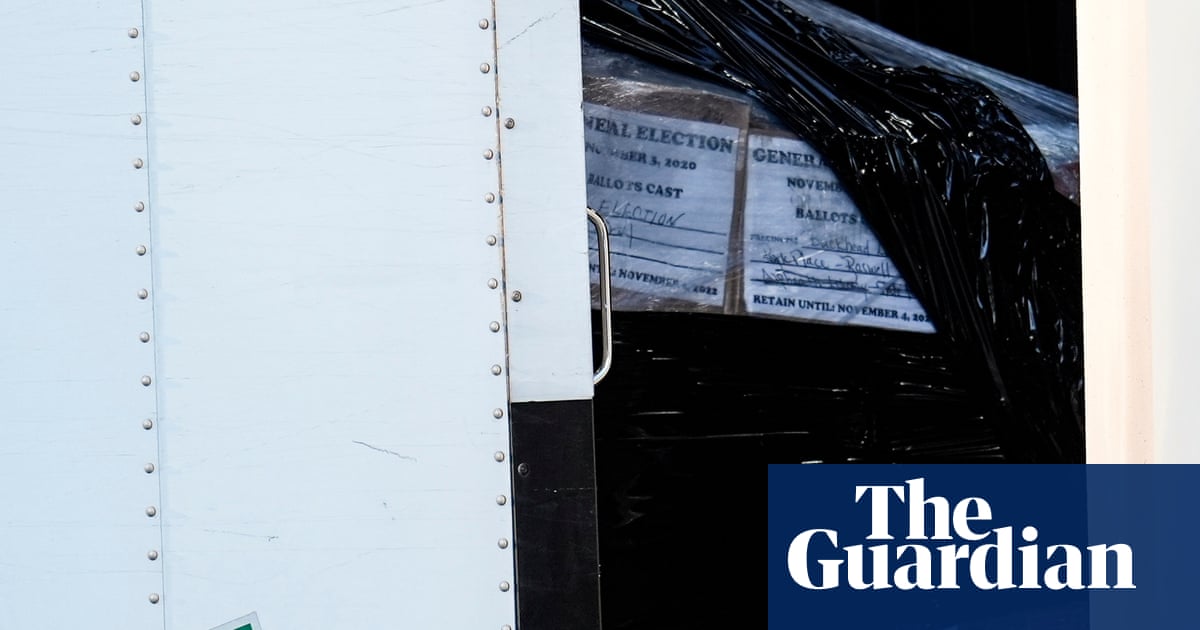
Fulton County Superior Court Judge Kelly Lee Ellerbe has paused a directive requiring the release of 2020 election ballots to the Georgia State Election Board following an appeal by county officials.
 🇺🇸US Politics
Photo: Guardian US Politics
Key points
- Judge Kelly Lee Ellerbe stays order to turn over 2020 election ballots
- Fulton County officials filed an appeal to block the transfer
- FBI seized the ballots earlier this year during an investigation into election irregularities
Fulton County Superior Court Judge Kelly Lee Ellerbe has issued a stay on her own previous order, which would have compelled the release of electronic copies of 2020 election ballots to the Georgia State Election Board. The decision follows a formal notice of appeal filed by county election officials, effectively halting the transfer of these records while the legal challenge proceeds.
The ballots in question were seized by the FBI earlier this year during a search of the Fulton County elections office, an action initiated amid ongoing scrutiny of the 2020 presidential contest. While a federal judge previously denied the county's request to have the materials returned, the chain of custody and the purpose of the investigation remain subjects of intense political debate.
The controversy is further complicated by questions regarding the involvement of former Director of National Intelligence Tulsi Gabbard, who accompanied federal agents during the seizure. Democratic lawmakers, including Senator Mark Warner, have expressed concerns that such involvement could signal an attempt to undermine the integrity of future electoral processes.
The stakes
The outcome of this legal battle will determine whether the Georgia State Election Board gains access to sensitive federal investigative materials. If the stay is lifted, the board may use the data for its own inquiries, provided strict confidentiality protocols are maintained. Should the appeal succeed, the records will remain shielded, potentially stalling state-level investigations into 2020 voting irregularities.
Two readings
- Supporters of the release argue that transparency is essential to address persistent public concerns regarding the 2020 vote count and to ensure that election officials are held accountable.
- Critics contend that the seizure and subsequent attempts to access these ballots are politically motivated maneuvers designed to cast doubt on election results and intimidate local officials.
Source Guardian US Politics — theguardian.com/us-news/2026/nov/26/georgia-election-ballots-seized ↗
Read next
 ✒️Opinion & Analysis
ICJ Rules Myanmar Military Committed Genocide Against Rohingya
The International Court of Justice has found Myanmar's military guilty of genocide against the Rohingya, a ruling that damages the international standing of both Aung San…
 🕯️Democracy & Rights
Chinese teachers face rising parental pressure over personal life choices
Chinese educators are encountering a surge in unreasonable demands from parents, including complaints regarding teachers' pregnancy and maternity leave.
 🛡️War & Security
Ukraine Restricts Media Coverage of Infrastructure Damage Amid Russian Strikes
President Volodymyr Zelenskyy has issued a decree prohibiting media outlets from reporting on the impact of Russian strikes against critical infrastructure and the status…
 🏮China & Taiwan
Beijing Reaffirms Reunification Stance Following Taiwan Local Election Results
China’s Taiwan Affairs Office declared that the island’s reunification with the mainland remains inevitable, despite recent shifts in Taiwan's local political landscape.
 🇪🇺Europe
US Air Force Repels Unauthorized Drone Incursion at RAF Lakenheath
U.S. security forces at a British air base successfully countered a group of unidentified drones, amid growing concerns over potential foreign state involvement.
 ⚖️Law & Policy
India Government Proposes 50% Increase in Parliamentary Seats and Women's Reservation
The Indian government plans to introduce legislation to expand the Lok Sabha to 850 seats and mandate a 33% reservation for women in legislative bodies.