US Army Detonation of Lead Munitions in Iowa Sparks Public Health Concerns
The US Army recently detonated 68 barrels of lead at an Iowa munitions facility, raising significant concerns over toxic exposure despite the availability of safer disposal alternatives.
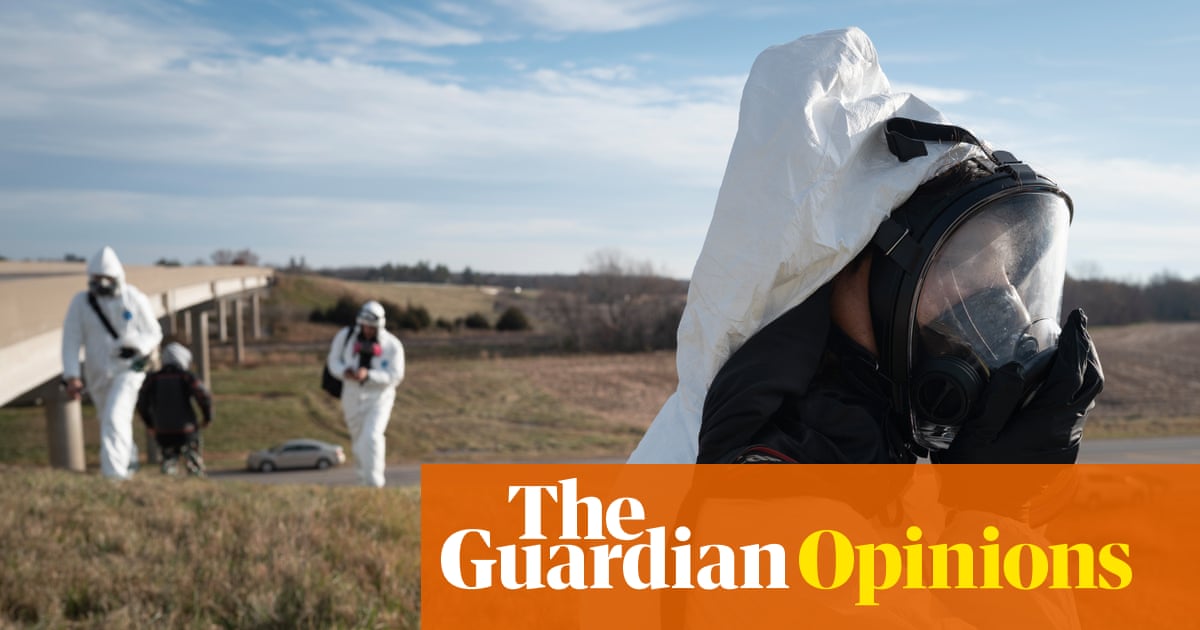 🇺🇸US Politics
Photo: Guardian US Politics
Key points
- US Army detonated 68 barrels of lead in Iowa despite safer neutralization options.
- Toxic dust plume reported across a 100-mile radius, affecting crops and residential areas.
- Critics compare the incident to the East Palestine train derailment regarding government safety claims.
The US Army recently proceeded with the controlled detonation of 68 barrels of lead at a munitions facility in Iowa, a decision that has drawn sharp criticism for its potential environmental and health impacts. The materials, which had been stored underground for decades, were destroyed despite the prior identification of a chemical neutralization method validated by the National Academy of Sciences and the Environmental Protection Agency. This alternative process would have converted the hazardous waste into a non-toxic byproduct suitable for landfill disposal.
Following the detonation, a plume of toxic dust reportedly spread across a wide radius, impacting local farmland, residential areas, and public infrastructure. While government officials have issued assurances that the area is safe for residents to return, critics argue these claims lack a foundation in independent, comprehensive soil and air testing. The incident has drawn comparisons to previous industrial disasters, such as the 2023 chemical spill in East Palestine, Ohio, where similar government responses faced intense scrutiny regarding the long-term health risks posed to local communities.
The incident highlights ongoing tensions between military operational procedures and public safety oversight. By opting for detonation over chemical neutralization, the military has reignited a debate regarding the prioritization of speed and cost-efficiency over the potential for lasting ecological and public health damage.
The stakes
The immediate fallout involves the potential exposure of Iowa residents to lead, a substance known to cause severe developmental and carcinogenic health issues. If the government's safety assessments prove inaccurate, both the local population and the surrounding agricultural environment face long-term contamination risks, while the military faces a deepening crisis of public trust regarding its handling of hazardous materials.
Two readings
- Supporters of the military's action argue that the detonation was a necessary procedure to eliminate an immediate, unstable threat posed by deteriorating munitions that risked spontaneous combustion.
- Critics contend that the decision was a negligent oversight that ignored safer, proven technology, effectively prioritizing logistical convenience over the health and safety of the surrounding population.
Source Guardian US Politics — theguardian.com/commentisfree/2026/nov/27/army-lead-poison-bomb-iowa ↗
Read next
 ✒️Opinion & Analysis
ICJ Rules Myanmar Military Committed Genocide Against Rohingya
The International Court of Justice has found Myanmar's military guilty of genocide against the Rohingya, a ruling that damages the international standing of both Aung San…
 🕯️Democracy & Rights
Chinese teachers face rising parental pressure over personal life choices
Chinese educators are encountering a surge in unreasonable demands from parents, including complaints regarding teachers' pregnancy and maternity leave.
 🛡️War & Security
Ukraine Restricts Media Coverage of Infrastructure Damage Amid Russian Strikes
President Volodymyr Zelenskyy has issued a decree prohibiting media outlets from reporting on the impact of Russian strikes against critical infrastructure and the status…
 🏮China & Taiwan
Beijing Reaffirms Reunification Stance Following Taiwan Local Election Results
China’s Taiwan Affairs Office declared that the island’s reunification with the mainland remains inevitable, despite recent shifts in Taiwan's local political landscape.
 🇪🇺Europe
US Air Force Repels Unauthorized Drone Incursion at RAF Lakenheath
U.S. security forces at a British air base successfully countered a group of unidentified drones, amid growing concerns over potential foreign state involvement.
 ⚖️Law & Policy
India Government Proposes 50% Increase in Parliamentary Seats and Women's Reservation
The Indian government plans to introduce legislation to expand the Lok Sabha to 850 seats and mandate a 33% reservation for women in legislative bodies.