EEOC Fast-Tracks Reverse Discrimination Claims Under Chair Andrea Lucas
Equal Employment Opportunity Commission chair Andrea Lucas has shifted federal workplace discrimination inquiries toward cases prioritizing white men and anti-trans complaints, leaving traditional claimants without thorough reviews.
 🇺🇸US Politics
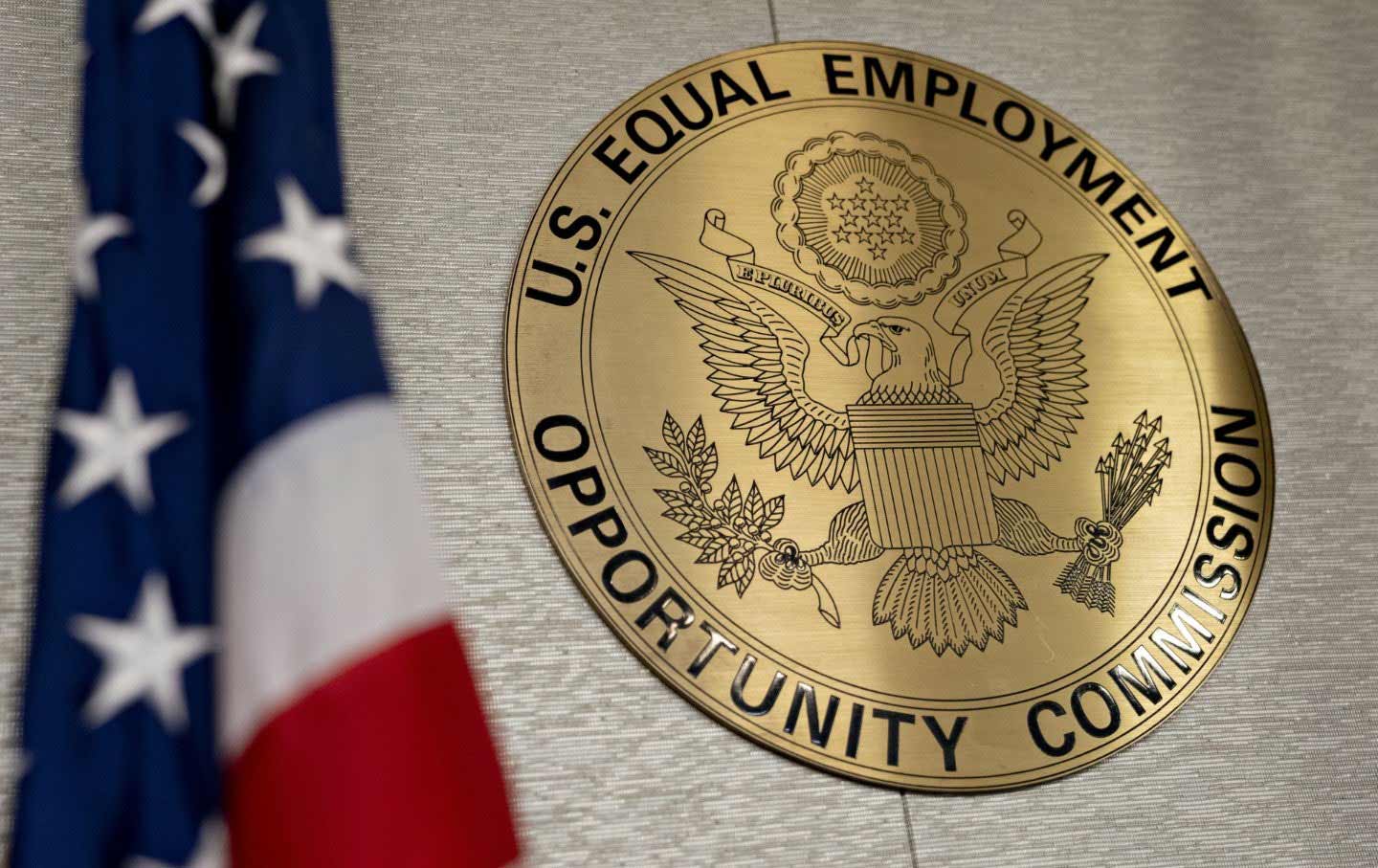
Photo: The Nation
Key points
- EEOC Chair Andrea Lucas prioritizes claims from white men and anti-trans complaints.
- Agency investigators rapidly issue right-to-sue letters without conducting thorough reviews.
- Critics and agency insiders argue the shift abandons data-driven enforcement for political objectives.
Equal Employment Opportunity Commission Chair Andrea Lucas has shifted federal workplace discrimination inquiries toward cases prioritizing white men and anti-trans complaints, according to agency sources and employment lawyers. Under her leadership, investigators are rapidly closing out routine workplace discrimination claims by issuing quick right-to-sue letters without thorough investigations, freeing up agency resources to pursue cases aligned with the administration's political agenda.
Internal sources state that Lucas created a prioritized list of claims, including those alleging adverse effects from diversity, equity, and inclusion programs and cases challenging gender policies. This approach marks a departure from historical practices where prioritization was driven by statistical data on prevalent workplace discrimination against women and people of color. The shift has left numerous traditional claimants facing strict court deadlines without investigative support from the federal agency.
Congressional Democrats lack the authority to alter these internal agency policies, and pending political appointments are expected to maintain Republican control over the commission's quorum and agenda. Meanwhile, individuals affected by the expedited case closures must navigate complex legal systems independently within tight 90-day filing windows.
The stakes
Traditional discrimination claimants face administrative dismissal and limited access to legal recourse, while conservative priorities receive heightened federal attention and expedited processing through agency channels.
Two readings
- Supporters argue the shift corrects historical imbalances by ensuring the EEOC aggressively protects all demographics, including groups who feel marginalized by corporate equity initiatives.
- Critics contend the policy politicizes a civil rights agency, abandoning its core mission of serving historically disadvantaged workers in favor of partisan objectives.
Source The Nation — thenation.com/article/society/eeoc-workplace-discrimination/ ↗
Read next
 ✒️Opinion & Analysis
ICJ Rules Myanmar Military Committed Genocide Against Rohingya
The International Court of Justice has found Myanmar's military guilty of genocide against the Rohingya, a ruling that damages the international standing of both Aung San…
 🕯️Democracy & Rights
Chinese teachers face rising parental pressure over personal life choices
Chinese educators are encountering a surge in unreasonable demands from parents, including complaints regarding teachers' pregnancy and maternity leave.
 🛡️War & Security
Ukraine Restricts Media Coverage of Infrastructure Damage Amid Russian Strikes
President Volodymyr Zelenskyy has issued a decree prohibiting media outlets from reporting on the impact of Russian strikes against critical infrastructure and the status…
 🏮China & Taiwan
Beijing Reaffirms Reunification Stance Following Taiwan Local Election Results
China’s Taiwan Affairs Office declared that the island’s reunification with the mainland remains inevitable, despite recent shifts in Taiwan's local political landscape.
 🇪🇺Europe
US Air Force Repels Unauthorized Drone Incursion at RAF Lakenheath
U.S. security forces at a British air base successfully countered a group of unidentified drones, amid growing concerns over potential foreign state involvement.
 ⚖️Law & Policy
India Government Proposes 50% Increase in Parliamentary Seats and Women's Reservation
The Indian government plans to introduce legislation to expand the Lok Sabha to 850 seats and mandate a 33% reservation for women in legislative bodies.