Republican Lawmakers Face Internal Blame After Historic Midterm Election Defeat
Returning to Washington following a devastating midterm rout that handed majorities to Democrats, Republican lawmakers divided sharply over the causes of their party's historic losses.
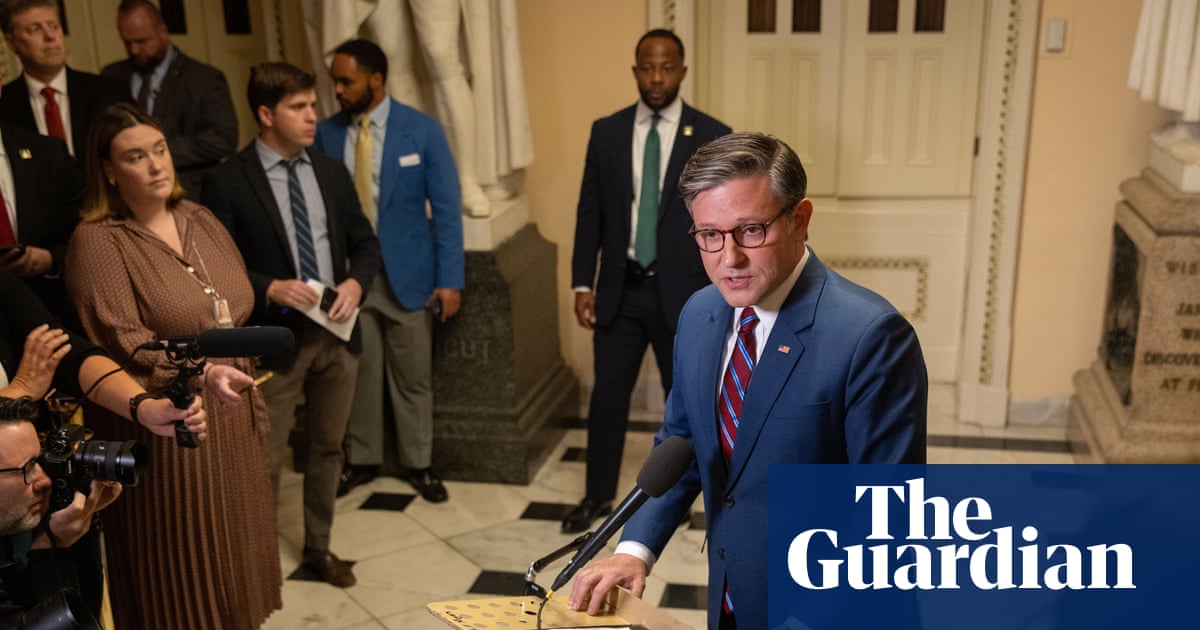 🇺🇸US Politics
Photo: Guardian US Politics
Key points
- Republicans returned to Washington following sweeping midterm losses that handed majorities to Democrats.
- Lawmakers openly disagreed on whether economic pressures, specific policy cuts, or unfulfilled promises drove the voter backlash.
- Congress faces a tight legislative deadline to pass government funding before December 11 amid a shifting political landscape.
Republican representatives and senators returned to Capitol Hill on Monday to confront the wreckage of last week's midterm elections, which resulted in major losses across both chambers of Congress and state legislatures nationwide. While some lawmakers admitted they saw the electoral catastrophe coming due to plunging approval ratings and voter frustration, others expressed shock at the magnitude of the defeat, which marked the worst midterm setback for a governing party since the aftermath of the Watergate scandal in 1974.
Debate immediately flared among GOP members regarding the root causes of the voter backlash. Figures like Senator Josh Hawley of Missouri blamed specific legislative actions, such as slashing Medicaid funding while backing data centers, alongside failures to deliver on core campaign promises. Conversely, House agriculture committee chair Glenn Thompson attributed the losses to pocketbook issues, insisting that the long-term success of past policies would eventually bear fruit, albeit too late to alter Tuesday's outcome.
With government funding set to expire on December 11, an unfinished defense policy bill, and a pending agricultural measure on the congressional calendar, Republican leaders face a compressed timeline before the new political configuration takes effect. House Speaker Mike Johnson urged his caucus toward sober reflection, though internal divisions remain over whether to pursue remaining partisan objectives or attempt bipartisan compromises before the current session concludes.
The stakes
Republicans risk further legislative gridlock and a weakened posture ahead of the incoming Democratic majority, while Democrats stand to gain substantial leverage over federal spending, pending confirmations, and oversight initiatives.
Two readings
- Supporters read the outcome as a necessary wake-up call for the party to refocus on economic delivery, accountability, and the core concerns of everyday voters.
- Critics read the results as an outright rejection of overreaching domestic policies, alignment with controversial executive actions, and deep failures in governance.
Source Guardian US Politics — theguardian.com/us-news/2026/nov/10/midterms-elections-2026-republi… ↗
Read next
 ✒️Opinion & Analysis
ICJ Rules Myanmar Military Committed Genocide Against Rohingya
The International Court of Justice has found Myanmar's military guilty of genocide against the Rohingya, a ruling that damages the international standing of both Aung San…
 🕯️Democracy & Rights
Chinese teachers face rising parental pressure over personal life choices
Chinese educators are encountering a surge in unreasonable demands from parents, including complaints regarding teachers' pregnancy and maternity leave.
 🛡️War & Security
Ukraine Restricts Media Coverage of Infrastructure Damage Amid Russian Strikes
President Volodymyr Zelenskyy has issued a decree prohibiting media outlets from reporting on the impact of Russian strikes against critical infrastructure and the status…
 🏮China & Taiwan
Beijing Reaffirms Reunification Stance Following Taiwan Local Election Results
China’s Taiwan Affairs Office declared that the island’s reunification with the mainland remains inevitable, despite recent shifts in Taiwan's local political landscape.
 🇪🇺Europe
US Air Force Repels Unauthorized Drone Incursion at RAF Lakenheath
U.S. security forces at a British air base successfully countered a group of unidentified drones, amid growing concerns over potential foreign state involvement.
 ⚖️Law & Policy
India Government Proposes 50% Increase in Parliamentary Seats and Women's Reservation
The Indian government plans to introduce legislation to expand the Lok Sabha to 850 seats and mandate a 33% reservation for women in legislative bodies.