New York State Senator Kawas Praises Trump’s Decision to Halt Israeli Military Aid
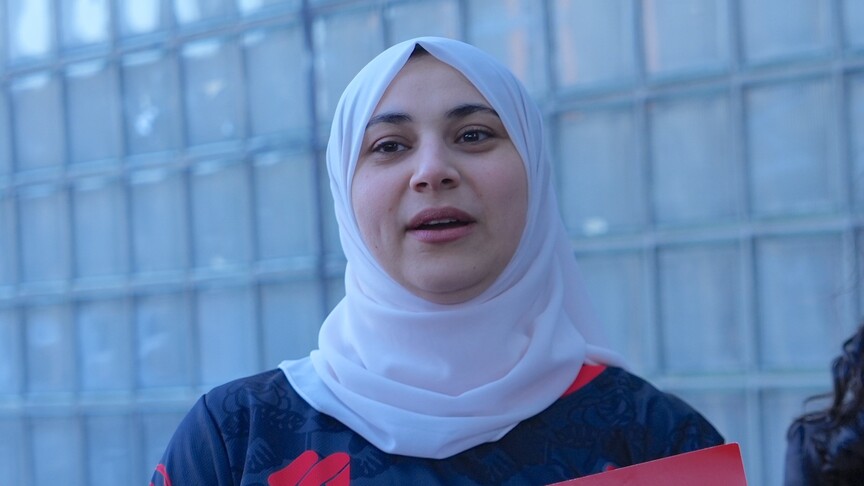
New York State Senator Aber Kawas has lauded President Donald Trump's decision to terminate $4 billion in military aid to Israel, framing the shift as a victory for American taxpayers.
 🇺🇸US Politics
Photo: Anadolu
Key points
- President Trump announced a complete halt to $4 billion in military aid to Israel.
- Senator Aber Kawas praised the move as a victory for American taxpayers and local investment.
- The policy change reportedly caught Israeli defense officials off guard.
Newly elected New York State Senator Aber Kawas has publicly endorsed President Donald Trump’s announcement to cease military assistance to Israel. Following her victory in the November 3 midterm elections, where she secured approximately 75% of the vote, Kawas described the policy shift as a triumph for citizens who have long advocated for redirecting federal funds toward domestic priorities rather than foreign military engagements.
President Trump declared on November 3 that the United States would discontinue $4 billion in aid to Israel, stating that an agreement had been finalized to end the support by the end of the year. The announcement, which caught Israeli defense and military officials by surprise, marks a significant departure from established US foreign policy regarding the Middle East.
Kawas, who made history as the first Palestinian-American and the first woman wearing a hijab elected to the New York State Senate, emphasized that the decision aligns with both financial and moral imperatives. She noted that constituents across the country have spent nearly three years campaigning for an end to US military funding for Israel, arguing that such resources should be invested in local communities instead.
The stakes
The sudden cessation of $4 billion in aid threatens to destabilize long-standing security cooperation between Washington and Jerusalem, potentially forcing Israel to adjust its defense budget or seek alternative military partnerships. Domestically, the move creates a new fault line in American politics, testing the influence of progressive voices who prioritize humanitarian and fiscal concerns over traditional strategic alliances.
Two readings
- Supporters view the move as a necessary step toward fiscal responsibility and a moral stand against the humanitarian costs of foreign conflicts.
- Critics argue that the policy change undermines a key strategic ally and creates a dangerous power vacuum in a volatile region.
Source Anadolu — aa.com.tr/en/americas/trumps-decision-to-halt-military-aid-to-israe… ↗
Read next
 ✒️Opinion & Analysis
ICJ Rules Myanmar Military Committed Genocide Against Rohingya
The International Court of Justice has found Myanmar's military guilty of genocide against the Rohingya, a ruling that damages the international standing of both Aung San…
 🕯️Democracy & Rights
Chinese teachers face rising parental pressure over personal life choices
Chinese educators are encountering a surge in unreasonable demands from parents, including complaints regarding teachers' pregnancy and maternity leave.
 🛡️War & Security
Ukraine Restricts Media Coverage of Infrastructure Damage Amid Russian Strikes
President Volodymyr Zelenskyy has issued a decree prohibiting media outlets from reporting on the impact of Russian strikes against critical infrastructure and the status…
 🏮China & Taiwan
Beijing Reaffirms Reunification Stance Following Taiwan Local Election Results
China’s Taiwan Affairs Office declared that the island’s reunification with the mainland remains inevitable, despite recent shifts in Taiwan's local political landscape.
 🇪🇺Europe
US Air Force Repels Unauthorized Drone Incursion at RAF Lakenheath
U.S. security forces at a British air base successfully countered a group of unidentified drones, amid growing concerns over potential foreign state involvement.
 ⚖️Law & Policy
India Government Proposes 50% Increase in Parliamentary Seats and Women's Reservation
The Indian government plans to introduce legislation to expand the Lok Sabha to 850 seats and mandate a 33% reservation for women in legislative bodies.