Supreme Court Weighs Future of Bivens Claims in Prisoner Rights Case
The U.S. Supreme Court heard oral arguments in Nielsen v. Watanabe, a case that could further limit the ability of citizens to sue federal officials for constitutional violations.
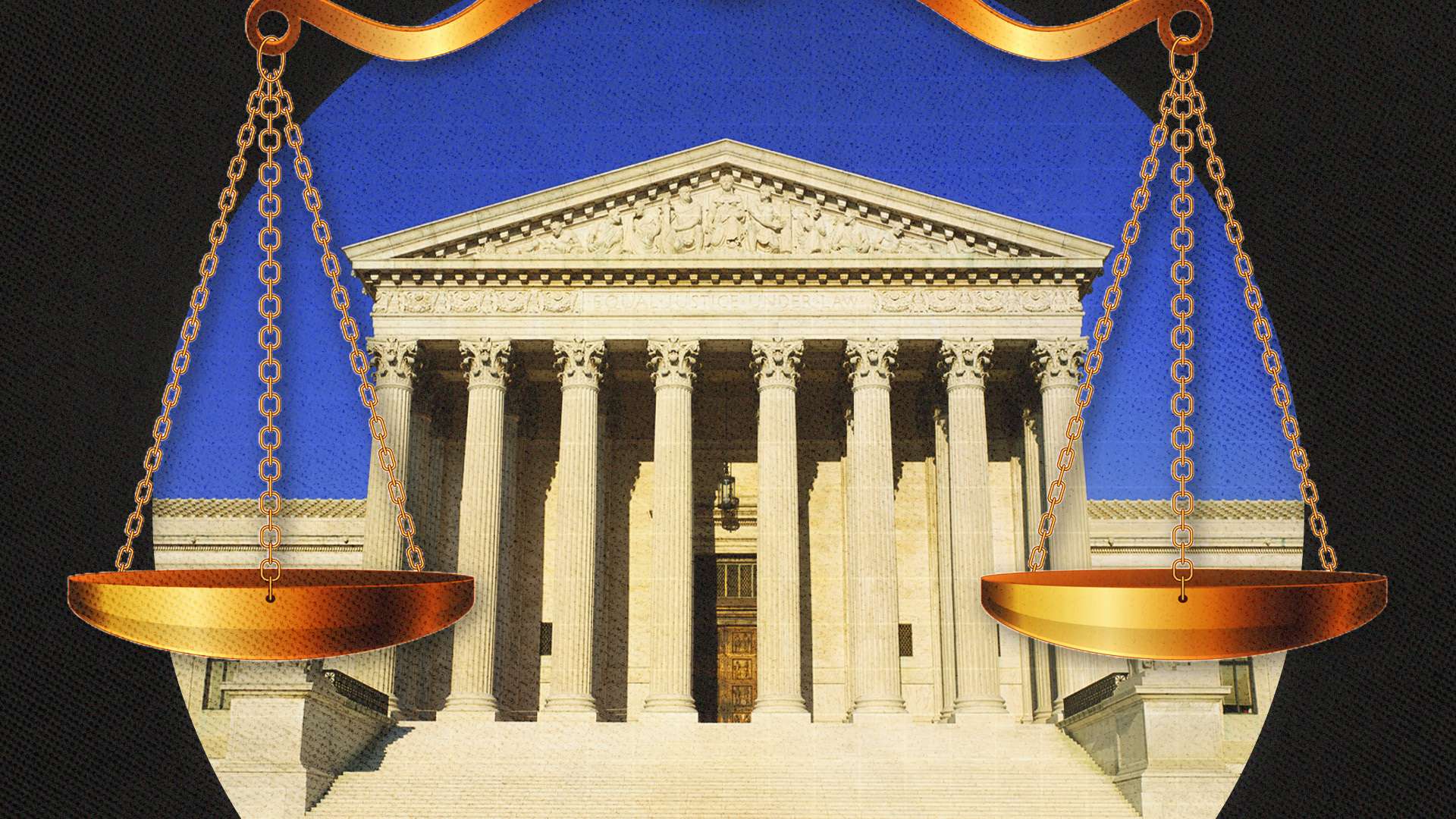 🇺🇸US Politics
Photo: Reason
Key points
- Supreme Court heard arguments in Nielsen v. Watanabe regarding Eighth Amendment claims.
- The case tests the survival of the Bivens doctrine in the face of increasing judicial restrictions.
- The Court appears likely to further limit, rather than explicitly overturn, the ability to sue federal officials.
The U.S. Supreme Court is currently reviewing a case that challenges the viability of Bivens claims, a legal mechanism that has historically allowed individuals to sue federal officers for constitutional rights violations. The case, Nielsen v. Watanabe, centers on an inmate who alleges that prison staff denied him necessary medical treatment, thereby violating his Eighth Amendment protections against cruel and unusual punishment.
The legal dispute hinges on the legacy of the 1971 ruling Bivens v. Six Unknown Named Agents, which established that federal agents could be held liable for constitutional harms. While the 1980 decision Carlson v. Green specifically permitted such claims regarding medical neglect in prisons, the current Court has increasingly restricted these lawsuits. Critics of the Court's recent trajectory argue that these limitations effectively create a "Constitution-free zone" where federal officials face little to no accountability for misconduct.
During oral arguments, the justices appeared hesitant to formally overturn the Bivens precedent entirely. However, observers noted a clear reluctance among the majority to permit new claims to proceed, signaling a potential further narrowing of the avenues available for citizens to seek redress against federal employees.
The stakes
If the Court rules against the inmate, it will likely render the Bivens doctrine virtually obsolete, making it nearly impossible for plaintiffs to secure civil damages for constitutional violations by federal actors. This outcome would provide federal officials with broad immunity, while leaving victims of government misconduct without a clear path to legal remedy, effectively shifting the balance of power further toward federal administrative insulation.
Two readings
- Supporters of the Court's current stance argue that Bivens was a product of judicial activism and that creating causes of action for damages is a responsibility that belongs exclusively to Congress, not the judiciary.
- Critics contend that the Court is systematically dismantling essential checks on executive power, leaving citizens vulnerable to abuses by federal agents without any meaningful mechanism for accountability.
Source Reason — reason.com/2026/11/10/a-bad-day-at-scotus-for-government-accountability/ ↗
Read next
 ✒️Opinion & Analysis
ICJ Rules Myanmar Military Committed Genocide Against Rohingya
The International Court of Justice has found Myanmar's military guilty of genocide against the Rohingya, a ruling that damages the international standing of both Aung San…
 🕯️Democracy & Rights
Chinese teachers face rising parental pressure over personal life choices
Chinese educators are encountering a surge in unreasonable demands from parents, including complaints regarding teachers' pregnancy and maternity leave.
 🛡️War & Security
Ukraine Restricts Media Coverage of Infrastructure Damage Amid Russian Strikes
President Volodymyr Zelenskyy has issued a decree prohibiting media outlets from reporting on the impact of Russian strikes against critical infrastructure and the status…
 🏮China & Taiwan
Beijing Reaffirms Reunification Stance Following Taiwan Local Election Results
China’s Taiwan Affairs Office declared that the island’s reunification with the mainland remains inevitable, despite recent shifts in Taiwan's local political landscape.
 🇪🇺Europe
US Air Force Repels Unauthorized Drone Incursion at RAF Lakenheath
U.S. security forces at a British air base successfully countered a group of unidentified drones, amid growing concerns over potential foreign state involvement.
 ⚖️Law & Policy
India Government Proposes 50% Increase in Parliamentary Seats and Women's Reservation
The Indian government plans to introduce legislation to expand the Lok Sabha to 850 seats and mandate a 33% reservation for women in legislative bodies.